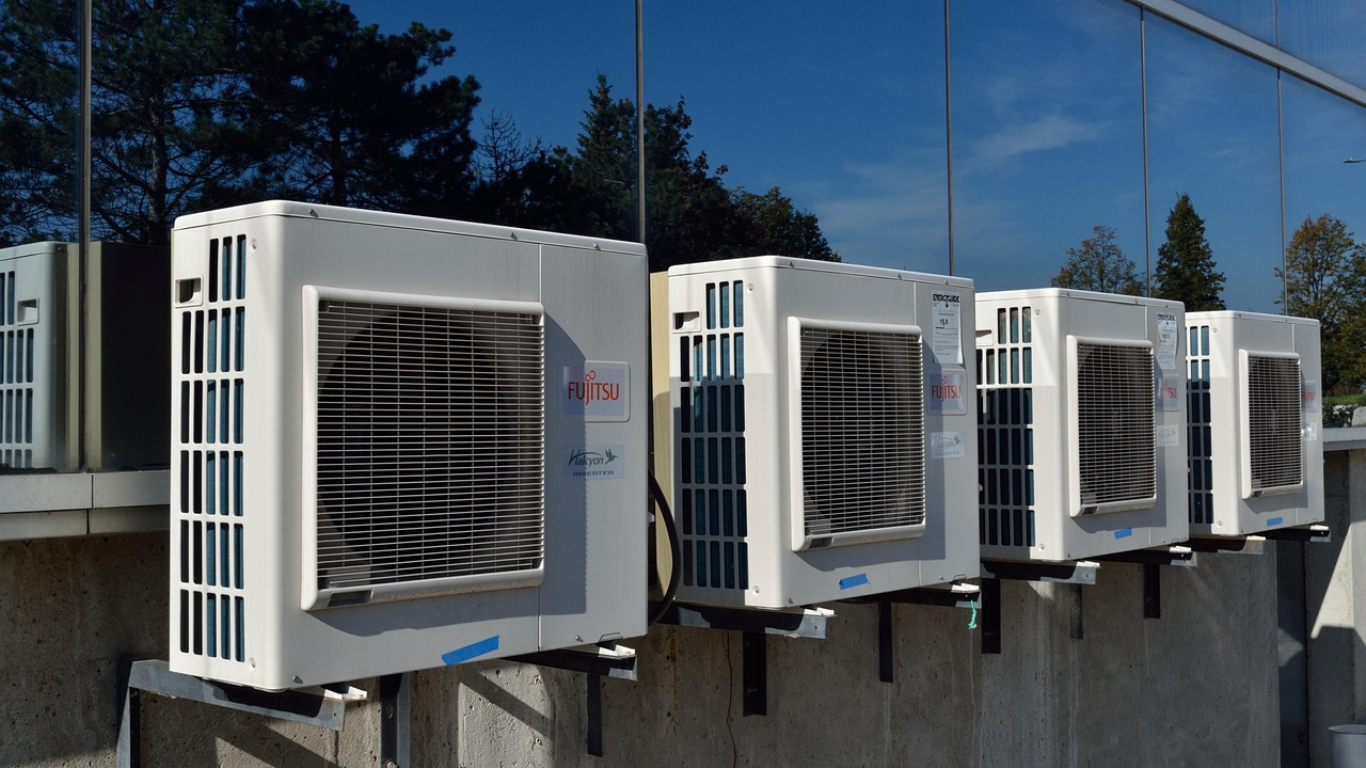
Maintaining a comfortable and efficient commercial environment is necessary for employee productivity, customer satisfaction, and long-term operational savings. Business owners focus on visible upgrades, but many behind-the-scenes systems are the ones creating a safe and pleasant space. With smart planning and ongoing attention, you can keep your building running smoothly all year long.
Prioritize Professional Maintenance
Skilled technicians keep heating and cooling systems operating at peak efficiency, and they can detect problems long before they disrupt your business. Scheduling preventive inspections reduces unexpected breakdowns and minimizes repair costs.
When technicians evaluate ducts, filters, and internal components, they can identify issues that might otherwise go unnoticed until energy bills rise. Many local companies offer HVAC services in Kirkland or in your area as part of seasonal maintenance programs that support consistent system performance. These routine visits guarantee that your equipment maintains compliance with local safety standards. By investing in professional care, you reinforce the long-term reliability of your building infrastructure.
Optimize Airflow
Airflow plays a major role in how effectively your building heats or cools each area. Obstructed vents, aging ductwork, or poorly balanced systems can create temperature inconsistencies that frustrate employees and customers. Routine adjustments maintain even distribution and prevent unnecessary strain on your HVAC unit.
Rearrange furniture or equipment that may be blocking vents and disrupting circulation. Installing automatic dampers or modern ventilation controls can boost airflow with no need for major renovations. When air moves freely, your system works less, saving energy and improving indoor comfort.
Upgrade to Smart Controls
Advanced thermostats and building controls allow you to manage temperature settings with greater accuracy. Smart systems learn usage patterns and adjust temperatures automatically, reducing waste during low-occupancy periods. Many platforms provide real-time data that highlights inefficiencies or abnormal energy spikes. These insights empower facility managers to make strategic adjustments that improve building performance.
Smart controls can integrate with lighting and security systems for a unified energy-management approach. Upgrading to intelligent technology brings lasting savings and smoother daily operations.
Focus on Indoor Air Quality
Dust, allergens, and pollutants accumulate quickly in busy buildings with high foot traffic. Regular filter replacements and professional air-quality testing can identify contaminants that may compromise a safe environment.
Adding purification systems or improved filtration can decrease airborne particles. Improving ventilation increases fresh-air circulation and minimizes stagnant pockets that trap odors and irritants. Prioritizing clean air supports a healthier atmosphere and builds trust with visitors and staff.
Seal and Insulate
Insulation prevents energy loss and maintains stable indoor temperatures. Poorly sealed windows, doors, or gaps around utility lines force your HVAC system to work harder. Conducting periodic envelope inspections helps detect drafts that might be undermining climate control.
Adding or replacing insulation in key areas reduces strain on equipment and extends its lifespan. Weatherstripping and sealing solutions provide cost-effective improvements that make an immediate difference. Strong insulation helps your building stay comfortable regardless of outdoor conditions.
Implement Zoning Systems
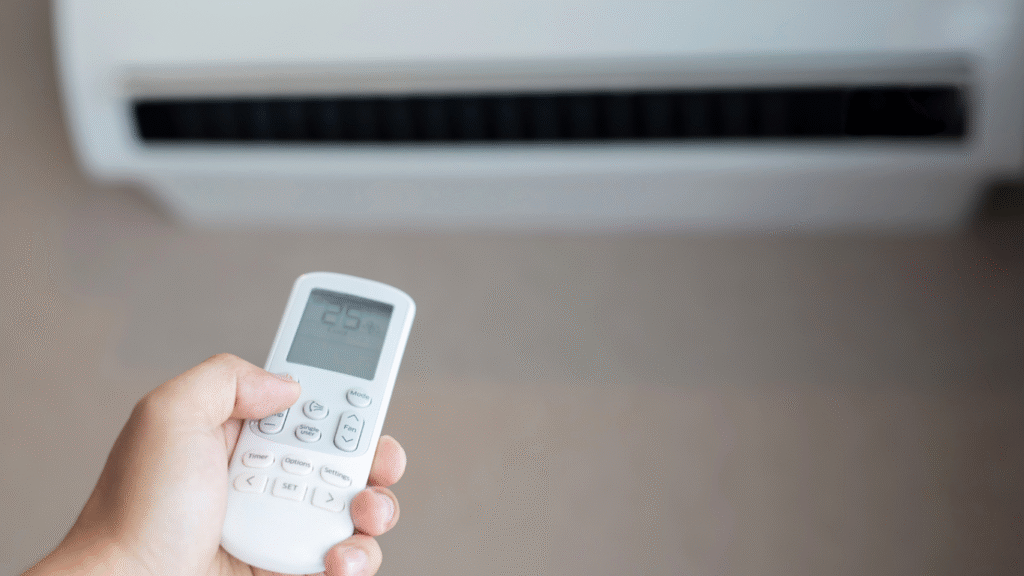
Zoning divides your building into separate areas that can be heated or cooled independently. This feature is useful for multi-level facilities or spaces with varying occupancy levels. Adjusting temperatures based on actual usage reduces unnecessary energy consumption.
Employees benefit from improved comfort, and managers gain more flexibility in controlling specific rooms or departments. Modern zoning systems can integrate with existing equipment, making installation faster and more affordable. With targeted temperature control, you improve comfort and decrease operating expenses.
Monitor Energy Use
Keeping track of your building’s energy consumption helps uncover patterns that may indicate inefficiencies or system problems. Many property managers use monitoring tools that display detailed reports on daily and seasonal usage. These insights make it easier to compare trends and establish realistic improvement goals.
Adjusting thermostat schedules, reducing after-hours usage, or improving system maintenance reveals immediate savings. Consistent tracking can create a proactive approach to building management.
Plan for Equipment Replacement
All HVAC equipment has a finite lifespan, and planning helps you avoid costly emergency replacements. Evaluating the system age, repair history, and performance indicators gives you a clearer picture of when upgrades are necessary.
Modern units offer better energy efficiency, reliability, and control features. Budgeting for future replacements minimizes operational disruptions and financial surprises. Working with trusted technicians guarantees that you select the right equipment for your building’s size and needs.
A comfortable and efficient commercial space requires thoughtful planning and regular system care. By prioritizing maintenance, monitoring energy use, and adopting modern technology, you can create a healthier and more productive environment. Small improvements made consistently deliver lasting savings and long-term reliability.
Article received via email