Managing temperatures within industrial spaces requires a careful balance of system design, equipment performance, and environmental awareness. Many facilities operate with heavy machinery, large production volumes, and heat-intensive processes, creating unique demands on cooling and ventilation strategies. A well-designed approach supports productivity, protects equipment, and promotes a safe environment for workers.
Understanding Heat Sources Within Industrial Environments
Industrial facilities contain numerous heat-generating elements that influence temperature patterns throughout the workday. Production equipment, conveyor systems, and furnace operations each introduce thermal loads that must be controlled.
Facility managers often track where heat clusters form, since these areas usually require more focused cooling support. Airflow mapping reveals whether heat builds in stagnant zones, impacting worker comfort and equipment lifespan.
Lighting systems, particularly high-intensity models, can add additional strain in locations with limited ventilation. Warehousing operations with frequent loading activity can experience rising temperatures as dock doors open repeatedly.
The Role of Airflow and Ventilation Design
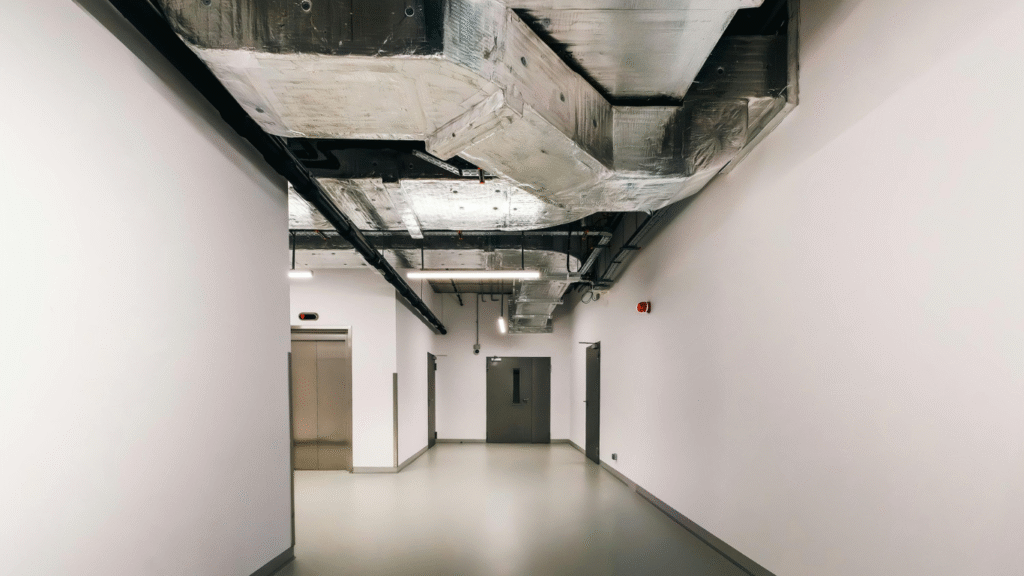
Ventilation helps remove heat at its source, which reduces stress on cooling systems and creates a more stable environment. Many facilities examine duct placement to encourage steady, directional airflow rather than allowing air to drift unpredictably.
Ventilation designs usually incorporate fresh air intake to maintain indoor air quality while reducing humidity that can trap heat. Air handlers must be sized properly to match the building’s volume so that circulation remains consistent during peak production hours.
Ceiling heights, column placement, and equipment layout each influence how air moves through a space. Some locations benefit from destratification fans that blend warm upper air with cooler lower air to prevent temperature layering.
Using Technology and Automation to Improve Control
Modern control systems give facility teams the ability to track temperature behavior with precision. Smart thermostats and industrial sensors help identify inefficiencies in real time. Automated controls can adjust fan speeds, chiller output, and airflow levels based on active conditions rather than fixed schedules.
This approach minimizes wasted energy and reduces wear on mechanical components. Integration with building management systems creates a unified dashboard where managers can monitor performance around the clock. Predictive software can flag irregular temperature spikes that point to equipment stress or airflow complications.
Automated alerts guide teams toward early maintenance actions, preventing downtime and costly repairs. Many facilities consider working with trusted industrial HVAC experts when upgrading these systems to match their operational needs. Automation strengthens consistency, enables long-term planning, and gives workers a more stable climate throughout each shift.
Energy-Efficient Solutions for Large Industrial Spaces
Adopting energy-conscious cooling strategies helps reduce operational costs while maintaining dependable performance. High-efficiency chillers and variable-speed drives use less power by adjusting output on demand.
Facilities often select insulated building materials that slow heat transfer and support more stable interior conditions. Some teams implement thermal zoning to better control separate areas, such as production halls, storage rooms, and packing lines.
LED lighting reduces heat output as well as electricity use, offering a dual benefit. As teams look for strong-performing approaches, they sometimes evaluate renewable energy sources to supplement their cooling efforts.
Maintenance Practices That Preserve System Reliability
A strong maintenance routine supports consistent temperature control and avoids unnecessary breakdowns. Filters require regular replacement to maintain airflow and protect internal components.
Coils must stay clean, so heat exchange remains efficient, particularly in dusty or high-particulate environments. Refrigerant levels need periodic evaluation to ensure cooling output stays within performance standards. Sensors benefit from calibration checks to maintain accurate readings.
Belts, motors, and electrical connections all require attention to avoid strain on the HVAC network. Technicians often review vibration patterns to detect early signs of mechanical fatigue. Maintenance logs help teams track recurring issues and plan upgrades promptly.
Balancing Temperature Control With Worker Comfort
Employee experience is a major factor when determining how climate systems operate. Temperature fluctuations can influence concentration, productivity, and safety conditions in active work zones.
Cooling systems must account for areas where workers perform physically demanding tasks. Hydration stations, shaded rest areas, and controlled break rooms create supportive conditions during high-heat seasons. Airflow direction should avoid strong drafts that disrupt workflows or create discomfort.
Noise levels from fans and cooling units must remain manageable to maintain an effective workspace. Lighting adjustments often reduce persistent indoor heat buildup in busy areas with prolonged activity.
Managing heat and cooling in industrial areas involves understanding internal heat sources, designing strong airflow systems, adopting advanced controls, and committing to reliable maintenance. With the right combination of planning and adjustment, industrial spaces can remain safe, productive, and operationally efficient throughout shifting conditions and seasonal demands.
Article received via email