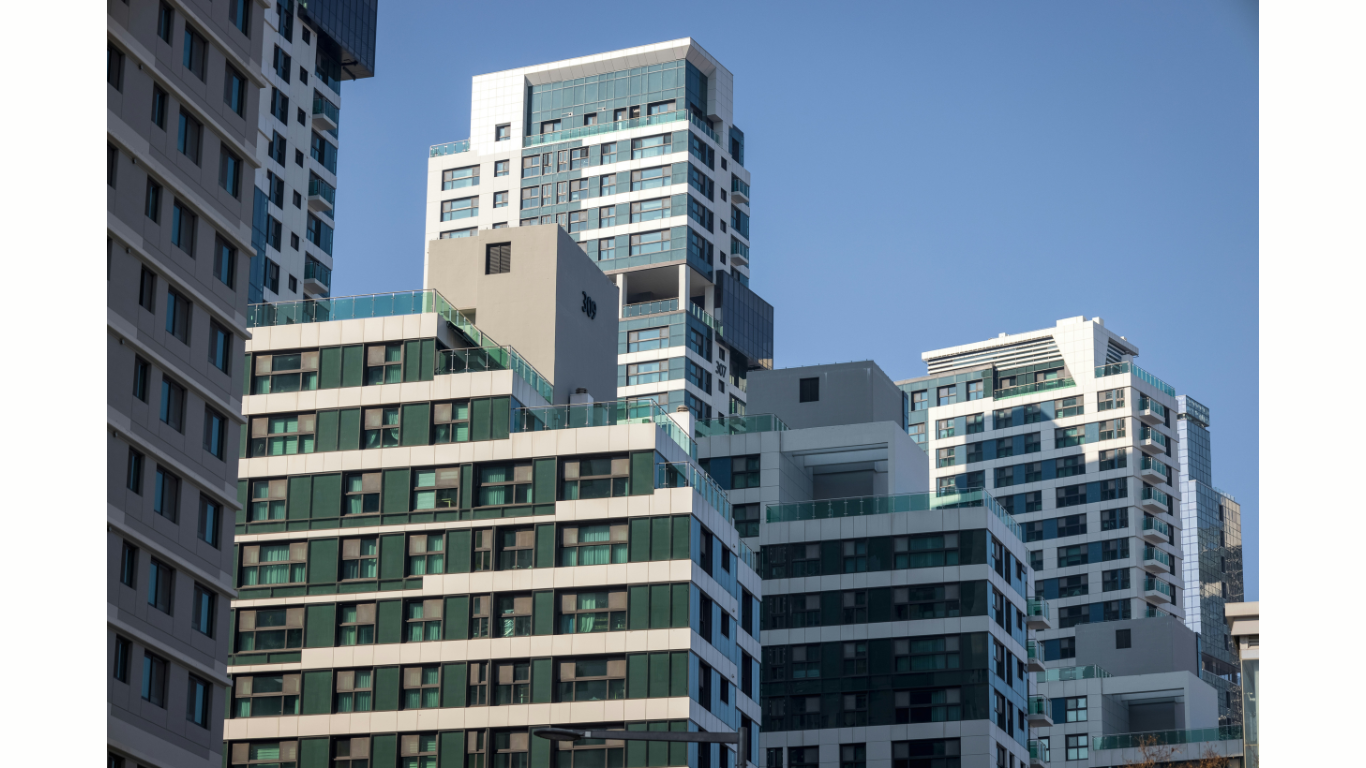
A commercial building operates efficiently when every part functions with consistency. Your space influences productivity, visitor impressions, and long-term property value, so a proactive maintenance approach protects both daily operations and future stability. Small issues grow fast when left unattended, which means attention to detail supports cost savings and safety. Building upkeep becomes easier when you follow clear routines and assess your property with intention.
Create a Practical Maintenance Schedule
A structured plan gives you a clear path for weekly, monthly, and seasonal responsibilities. Frequent walkthroughs help you understand the building’s normal condition so you can identify unusual changes quickly. These inspections highlight worn materials, leaks, temperature fluctuations, or electrical concerns. When you address small problems early, you avoid expensive disruptions.
Organize your schedule around core areas such as HVAC servicing, plumbing checks, exterior evaluations, and electrical system reviews. Each category affects comfort and safety. Predictable routines make planning easier and prevent sudden system failures that interrupt business activity. Clear documentation keeps your efforts consistent and supports long-term building stability.
Pay Close Attention to Roof Health
A commercial roof protects the entire structure from weather and moisture damage. Small cracks or punctures allow leaks that damage ceilings, walls, and interior equipment. Regular inspections help you stay ahead of these risks.
Roof debris, standing water, or worn membranes require immediate attention to avoid structural stress. Managers often explore flat roof repair tips when preparing seasonal maintenance plans, since flat surfaces demand close monitoring after storms and during temperature shifts. Addressing membrane issues early keeps water from pooling and reduces load on supporting structures. Roof health supports energy efficiency, indoor comfort, and long-term material performance.
Protect the Exterior from Wear and Damage
Your building’s exterior shapes first impressions and shields interior spaces from environmental stress. Cracked walls, faded paint, or loose siding expose materials to moisture and pests. These problems spread quickly if ignored. Consistent care preserves curb appeal and strengthens structural integrity.
Windows also support the building’s performance. Clean, sealed windows prevent drafts, reduce energy waste, and improve indoor air quality. Modern sealing materials block moisture and noise. Regular cleaning protects the glass from mineral buildup and extends its lifespan. Quality exterior lighting improves visibility and security while guiding visitors safely around the property.
Support Interior Comfort and Safety
Interior spaces influence daily experiences for employees and visitors. Floors, walls, and ceilings show early signs of wear when neglected. Addressing scuffs, loose tiles, or peeling paint quickly maintains a professional appearance. Clean surfaces encourage better hygiene and create a more welcoming environment.
A well-functioning HVAC system ensures consistent temperature and airflow. Replace filters, inspect ductwork, and schedule tuneups to prevent hot or cold spots. When HVAC systems run efficiently, they use less energy and last longer. Stable temperatures reduce moisture concerns and create predictable comfort throughout the building.

Strengthen Electrical Reliability
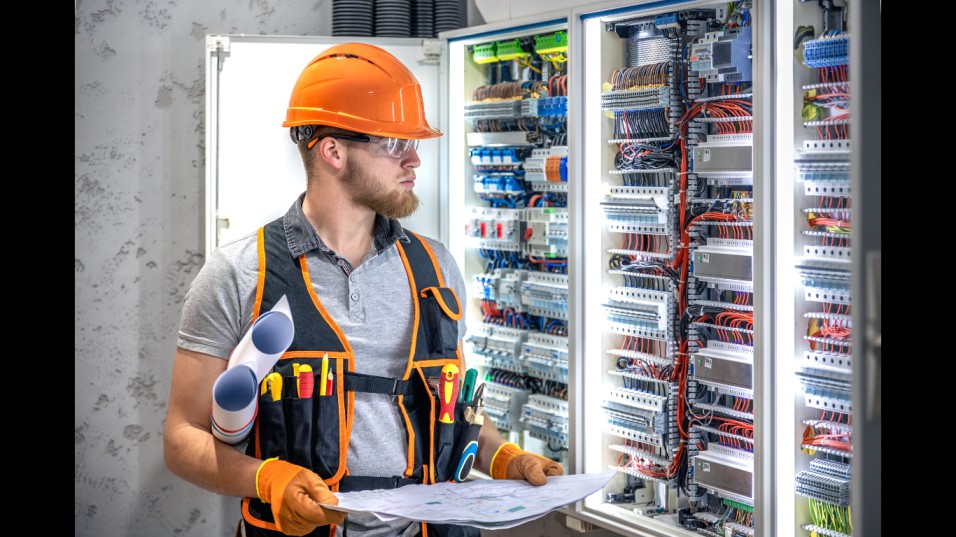
Electrical systems fuel lighting, equipment, security, and technology. Faulty wiring or overloaded circuits create safety hazards and unexpected outages. Routine inspections protect your building from these risks. Dust and clutter near electrical panels increase the chance of overheating, so keeping these areas clean supports proper airflow.
Lighting upgrades influence both energy use and visibility. LED fixtures offer strong illumination with lower energy consumption. Smart controls adjust lighting levels based on occupancy, saving money during off-hours. Electrical reliability protects daily operations and helps maintain compliance with safety regulations.
Keep Cleaning Standards Consistent
Cleaning routines shape how people feel inside your building. Dust, debris, and waste affect air quality and create an uncomfortable atmosphere. Daily cleaning reduces these problems, while deep cleaning on a scheduled basis refreshes surfaces and extends material life.
Floors benefit from regular care to prevent scratches and preserve finish. Carpets last longer when vacuumed frequently and professionally cleaned every few months. Restrooms need careful attention because they significantly influence comfort and hygiene. Well-stocked supplies, sanitized surfaces, and functioning fixtures contribute to a positive environment.
Windows brighten interior spaces, support natural light flow, and reduce the need for artificial lighting. Clean windows enhance mood and make workspaces feel more open and inviting.
A commercial building thrives when you care for every part of its structure and systems. Consistent inspections, roof care, exterior upkeep, and interior maintenance create a stable and productive environment. Reliable HVAC, plumbing, and electrical systems support comfort and safety throughout the property. Cleaning routines strengthen daily experiences and help preserve material condition. Compliance with regulations protects your building, employees, and visitors. When you apply these strategies with consistency and attention, your building remains strong, efficient, and ready to support long-term success. Thank you for reading!
Article received via email