Central Europe’s capital cities are great for business, but patchy transit turns quick trips into chaos. Moving VIPs smoothly takes more than luck; it demands real strategy.
The Geography of Tight Schedules
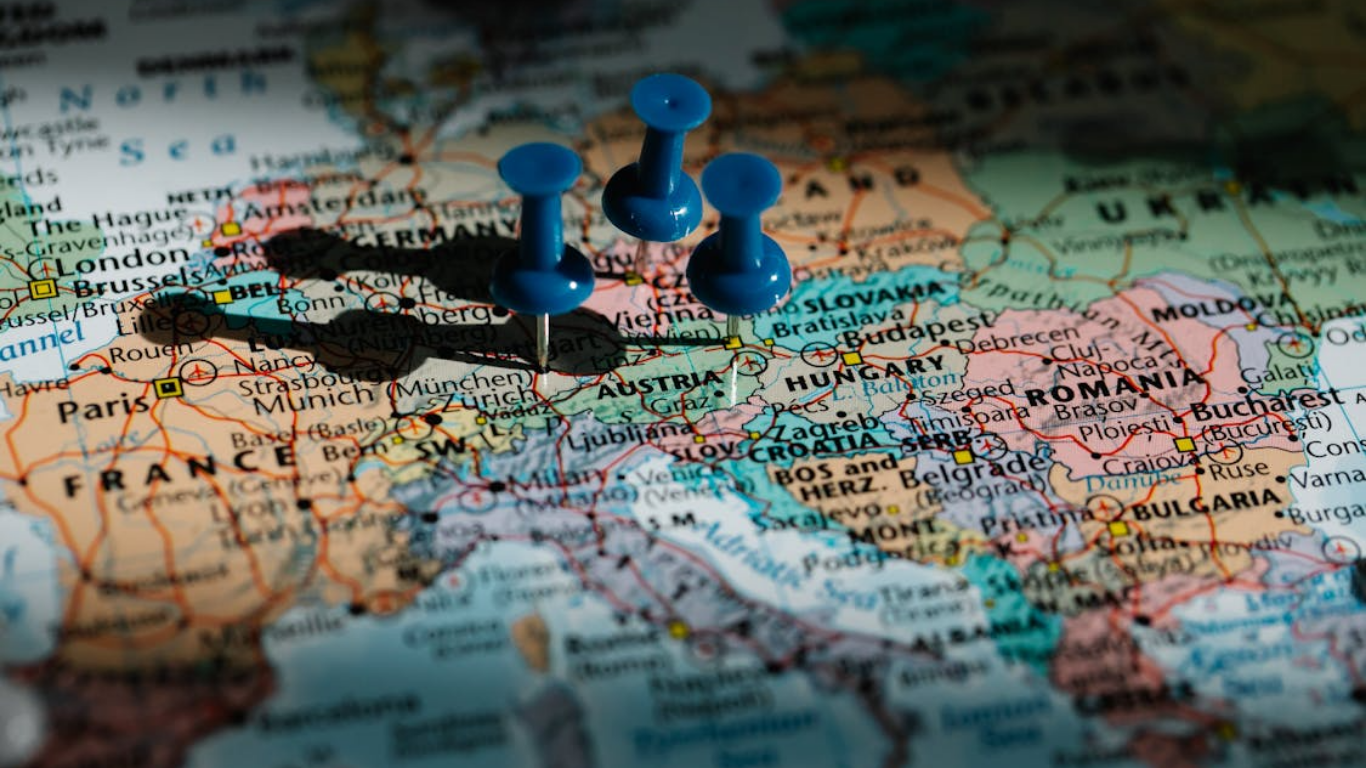
The distance from Vienna International Airport to downtown Bratislava is barely an hour by car. That closeness tricks many into thinking connections will be effortless. In reality, borders, traffic spikes, and varying infrastructure standards create constant friction. An executive landing in Warsaw might need to be in Wroclaw for a three o’clock meeting, then back to Krakow for dinner. Central Europe’s hubs are close on paper but punishing in practice when protocols are ignored.
- Prague to Brno: 2.5 hours by road, but a single accident on the D1 highway can add ninety minutes.
- Budapest to Vienna: high‑speed rail works well, yet coordinating the last mile from the station often fails.
- Airports in Katowice or Bratislava are smaller, which means faster deplaning but fewer direct flights.
- Cross‑border meetings require checking passport rules, even inside the Schengen zone, due to occasional spot checks.
The Unsung Role of Reliable Ground Transport
Nothing derails an executive’s day faster than a no‑show car or a driver who does not know which terminal entrance to use. In this environment, pre‑booked professional services are not a luxury; they are a lifeline. A seasoned driver understands that a flight landing twenty minutes early is just as disruptive as a delay. They wait, track the plane, and adjust without being asked. One particular workhorse in the region is the Bratislava airport taxi, which shuttles busy people between Slovakia’s main gateway and downtown Vienna, Brno, or Győr. These drivers know the back roads, the police checkpoints, and the coffee stops that double as quiet workspaces.
- Professional dispatch services use real‑time flight data and traffic APIs to time pickups precisely.
- Vehicles should include mobile hotspots, charging cables, and bottled water; small touches that matter after a bumpy flight.
- Payment is settled in advance, so no fumbling for cards or local currency at the curb.
Rail Versus Air
Deciding between flying and taking the train across Central Europe really comes down to where the meeting is. For city-center trips under 300 kilometers, like Vienna to Budapest or Bratislava to Vienna, the train usually wins. It’s less hassle, and you can actually work onboard. Flying only makes sense if the meeting is right by the airport. The real killer is mixing both: train to the airport, then a flight, then another taxi. Each switch eats time and patience. That Warsaw-to-Prague flight looks quick at 90 minutes, but door-to-door often pushes past four hours.
Stress, Sleep, and Small Windows
Getting executives from A to B is only half the battle. The real goal is delivering them sharp enough to close a deal. Early flights and late departures wreck sleep, and nothing drains energy faster than a delayed plane followed by a cramped, sweaty taxi stuck in tunnel traffic. Smart transit management builds in invisible buffers: a quiet lounge, a driver who keeps the cabin cool, a heads‑up about the cleanest restroom before the border. That first hour after landing is when most mistakes happen, so good handlers protect it fiercely. Small things like meal timing and a familiar local face make the difference.
Smart Tools and Simple Checklists
Technology helps, but only when paired with common sense. No app can predict a sudden protest blocking a Vienna ring road or a snowstorm closing the D1 highway near Brno. Yet a few digital habits dramatically improve reliability. Shared trip plans, live driver tracking, and offline backup maps are non‑negotiable. Equally important is a pre‑departure checklist that any assistant or security team can run.
- Use a dedicated trip‑management platform that syncs flight, rail, and car bookings.
- Keep scanned copies of ID and travel documents on a password‑protected cloud drive in case of a lost phone.
- Program emergency backup numbers for local taxi companies in every hub city before leaving the office.
- Build a “transit survival kit”: a local power adapter, a printed map of the destination city center, and a list of trustworthy drivers’ personal mobile numbers.
- Review the next day’s route each evening, checking for construction warnings or holiday schedules that affect border crossings.
Good transit management respects the clock and the person. Central Europe’s infrastructure works beautifully until it doesn’t. The teams that master weaving air, rail, and road, and who value a calm driver, keep travelers sharp. When three countries fit between breakfast and lunch, small choices make the difference.
Article received via email