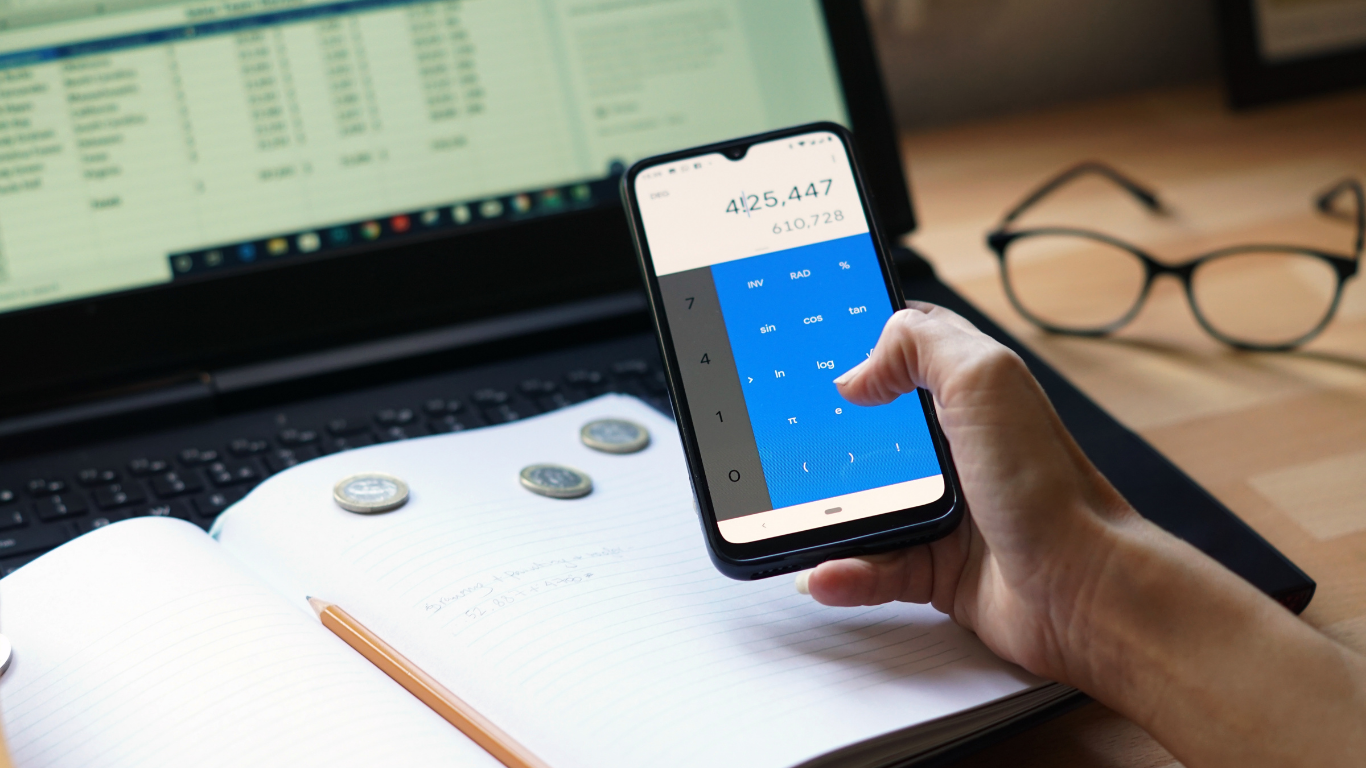
Over the last two decades, the global remittance market has recorded some dramatic changes. From costly and slow transfers that take 1-5 business days to complete, migrants worldwide are now enjoying relatively cheaper transfers that deliver nearly instantly.
More so, the way cross-border transactions are initiated is evolving, as mobile-first transfers completed via smartphones take over from bank branches and physical agent locations.
These changes are equally accompanied by an overall increase in the volume of global remittances. Between 2014 and 2024, remittances sent worldwide grew from $563.9 billion to approximately $906 billion, indicating an over 60% increase within a decade.
These remittances, according to IFAD, support about 800 million people globally, particularly in low- and middle-income countries.
In normalcy, emergencies, or crises, migrant workers continue to send money to their families back home, amounting to $200-$300 every one to two months.
Irrespective of the scenario or condition and bearing in mind the advancements in remittance processing, today’s remittance senders expect speed, fair exchange rates, and full transparency with every transaction.
This article explores evolving consumer expectations in line with an evolving remittance market.
The Rise of Mobile-First Remittances
Since the mid-2010s, mobile-first digital transactions have been increasingly dominant across the financial sector, including payment processing, savings, and remittances.
This trend corresponds with the rise and prevalence of fintech firms within the same period, leading to a rapid development of mobile apps and products for different financial services, which resulted in the growth of app-based money transfers.
As it became possible for people to send money across borders using their mobile phones, the need for migrants to visit physical bank branches and agent locations quickly declined.
The choice wasn’t in any way a difficult one for users to make, given that, compared to in-person services, mobile services are easier to use, offer 24/7 convenience, require no travel, and provide real-time tracking with instant confirmations and notifications.
Given that consumers expressed a preference for mobile-first services, most fintech disruptors prioritized app experiences across all their service provisions. Over time, traditional financial institutions started partnering with fintech companies to deliver mobile-first services, including remittances, to their customers.
Exchange Rates: The Cost Users Now Scrutinize
Exchange rates have always played a significant role in the overall cost of remittance services. Changes in exchange rates by the minute, hour, or day can have immediate effects on the final amount that reaches the recipient of remittances.
Although there is a general understanding that exchange rates will always fluctuate, concerns revolve around the margins at which service providers offer their rates.
If, for instance, the mid-market or real exchange rate for 1 USD is 17.18 MXN, a service provider might offer it to their customers at 17.05 MXN. The margin is, therefore, 0.13 MXN, meaning that the recipients lose 0.13 MXN on every dollar they receive.
For the benefit of transparency, remittance senders should look out for remittance platforms that provide users with better exchange rates that are clearly stated in the app, allowing the users to easily compare rates before initiating a transaction.
With the USD/MXN currency pair in view, the best apps for sending money to Mexico typically offer rate lock-in before payments, and provide in-app calculators with a clear breakdown of transfer fees and FX margin.
Fee Transparency: No More Surprises
While exchange rates often top the charts as the biggest hidden charges when sending money abroad, other fees have also drawn many complaints over the years. Some of which include:
- Intermediary bank fees: Typically deducted as the transfer flows through multiple correspondent banks to the recipient’s bank.
- Receiving bank charges: Sometimes charged by the recipient’s bank for receiving an international transfer before depositing it to the recipient’s account.
- Third-party provider fees: Including fees imposed based on the payment method used or other third-party services, such as credit card providers.
- Drip pricing: A situation whereby remittance service providers might offer a low fee initially, but automatically include other fees at the final checkout stage.
The most common factor across all these scenarios, as with every other hidden charge, is that the consumer is not made aware of these fees upfront.
Hidden charges translate to unfavorable outcomes for both the remittance sender and the recipient, and could be incredibly frustrating when the assumed final amount (now further reduced) has been budgeted.
In fact, between 2021 and 2024, American immigrants lost about $15.4 billion to hidden marked-up exchange rates.
The ripple effect of losses due to hidden fees is a serious cause for concern that has led to an increased demand for upfront cost breakdowns at the point of initiating transfers.
In response, regional and national regulators, such as the EU, the UK Financial Conduct Authority (FCA), the Australian Competition and Consumer Commission (ACCC), and the US Consumer Financial Protection Bureau (CFPB), among others, have implemented or are strengthening policies to improve transparency and eliminate hidden charges in international money transfers.
The US CFPB, through the Consumer Financial Protection Act (CFPA) and Electronic Funds Transfer Act (EFTA) via Regulation E, has established extensive measures to curtail hidden charges in the US remittance market.
These regulatory pressures are leading to clearer disclosures, but the problem still persists.
As regulators clamp down on defaulters, compliance becomes the norm. And users, irrespective of the app they use to make their transfers, can expect transparency across the board, including for charges, delivery times, and refund/cancellation policies.
Speed Is Expected, not a Bonus
Fintech remittance service providers have made it possible for transfers to travel across the globe and get to the recipient within a few seconds.
In fact, mobile-to-mobile transfers are basically delivered instantly.
Expectedly, having experienced such delivery speeds, most consumers won’t have it any other way. This has pushed remittance services, including emerging fintech firms and traditional banks, to improve their services to meet the demand for instant transfers.
Today, the vast majority of remittances processed by mobile remittance service providers arrive within a few minutes or under an hour. However, banks are still playing catch-up, with about 75% of transfers taking more than one day to arrive, according to the World Bank Remittance Prices Worldwide report.
Since mobile apps generally meet consumer expectations for faster deliveries, real-time tracking, and notifications, it makes sense that modern consumers are naturally moving to mobile apps for remittance services.
Security and Trust Signals in the App Era
Just as charges, exchange rates, and expected delivery times are transparent and interactive features in mobile apps, so are the security and trust signals.
Users typically have the option of choosing their preferred two-factor or multi-factor authentication methods for accessing their mobile app accounts. Depending on the service provider, options may include a combination of password, PIN, OTP, or biometric login (including face ID or fingerprint).
This gives users some sense of agency and ownership in the security of their accounts and funds therein.
Advanced security measures also give remittance platforms an edge over fraudulent activities, enabling mobile apps to implement end-to-end encryption alongside real-time fraud monitoring.
As part of trust-building with customers, service providers also:
- Visibly display their compliance badges and licenses on the app, giving users pointers for independent verification.
- Provide in-app customer support around the clock using live chats, AI assistants, and call-back options.
- Create profiles on independent review platforms, providing avenues for users to publicly review and rate their services.
Until the rise of fintechs, this level of transparency and trust signaling was basically unheard of in the global financial market.
The Role of User Experience and Design
Fintechs stay one step ahead by continuing to explore every opportunity to make everything right for the customer. These attempts can be seen in how mobile apps frequently release updates and new features, with the goal of ensuring a seamless customer experience.
Consequently, most mobile apps are fundamentally simple to use, allowing users to complete international transfers in as few steps as possible.
Strategically placed accessibility features further ensure that users with visual, auditory, motor, or cognitive impairments can equally use mobile apps to make international transfers with as much ease.
And generally, mobile apps also offer multilingual support to enable remittance senders and receivers, irrespective of their backgrounds, to get the support they need at any time of the day.
The customer-centric measures are instrumental in driving user retention, engagement, and loyalty, while making life a lot easier for the users.
Conclusion: The Empowered Remittance Customer
The global remittance market has greatly improved, and so have the expectations of the customers.
As mobile apps prove that remittance services can be a lot better, customers are learning that it is absolutely normal to demand more transparency, trust, convenience, fairer rates, and better delivery times from remittance service providers.
Meeting these demands also opens doors for customers to surface well-informed data points that they can use to compare service providers and choose the best option for their international transfers at the given time.
In essence, companies that prioritize clarity and mobile-first are bound to lead the market.
Article received via email