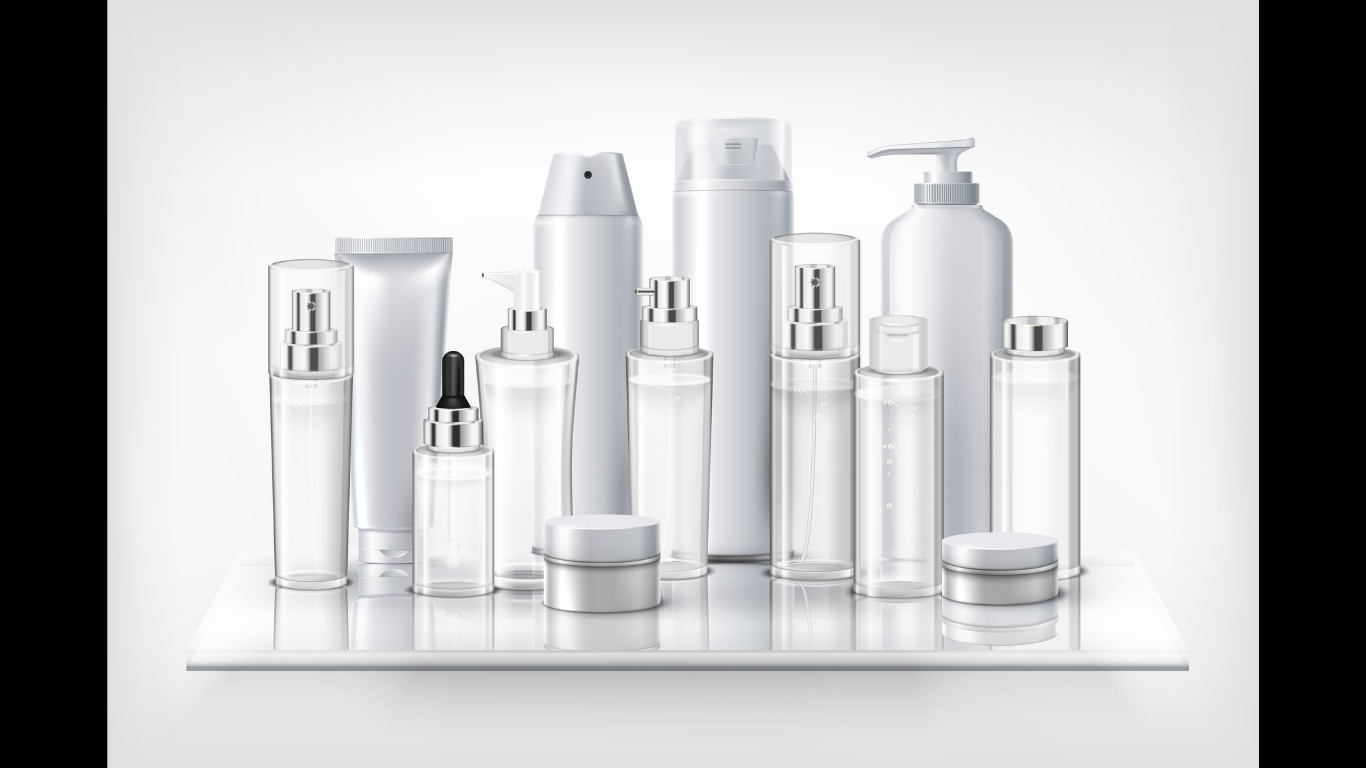
In the beauty and personal care industry, packaging is more than just a container. The right glass bottle protects sensitive formulations, supports consistent dispensing, and communicates quality at first glance. For B2B teams purchasing at scale, the decision is about balancing aesthetics with technical suitability, including volume, neck finish, closure compatibility, and supply reliability.
What to Consider When Choosing a Premium Glass Bottle
When evaluating a bottle for skincare, haircare, or fragrance products, start with specifications that influence filling efficiency, product performance, and production-line operations.
- Volume and headspace: Common sizes such as 15 ml, 30 ml, 50 ml, and 100 ml help standardise production and forecasting.
- Neck finish and thread: Finishes such as 24/410 or 18/400 determine which pump, sprayer, dropper, or cap can be used.
- Shape and footprint: Square and rectangular bottles can enhance shelf presence and make more efficient use of carton space, while round bottles are often easier to handle.
- Glass colour: Options such as flint, opal, and amber support different brand aesthetics and can help reduce light exposure.
- Surface finish: Frosted or acid-etched finishes create a premium appearance, improve grip, and make fingerprints less visible.
To keep internal communication efficient, many companies use a standard naming convention. For example:
Cosmetic Bottle Laurel 50 ml – 24/410 – Flint – Frosted
This allows procurement, packaging engineering, and contract fillers to work with the exact same SKU specifications.
Building a Packaging Range Without Unnecessary Complexity
Many brands aim to create a cohesive packaging family for serums, lotions, mists, and fragrances without having to manage dozens of suppliers. Working with a single supplier that offers a wide range of sizes, finishes, and styles can reduce lead-time risks and simplify quality control.
Calaso offers a range of glass packaging solutions for cosmetics and fragrances, supported by clear product specifications that help teams make faster decisions. When comparing suppliers, it is useful to evaluate the combinations of volume, neck finish, colour, and surface treatment that a premium glass bottle manufacturer can provide.
Why Glass Remains a Strong Choice for Modern Beauty Brands
Glass continues to be widely used in premium beauty products for several practical reasons.
- Material stability: Glass does not react with many formulations, helping to maintain product integrity.
- Perceived value: Weight, clarity, and finishing options contribute to a high-end user experience.
- Reusability and recyclability: Glass can be reused and is widely recyclable in many markets, supporting circular packaging goals.
Sustainability also depends on factors such as optimised bottle weight, efficient secondary packaging, and standardised components that minimise waste during production runs.
Selecting Bottles for Skincare Product Lines
Skincare packaging often requires controlled dispensing and a consistent appearance across the entire product range. For example, a brand may use 30 ml and 50 ml bottles for serums and moisturisers while maintaining the same design language for larger body care products.
When sourcing bottles, pay particular attention to:
- Compatibility with closures such as pumps, droppers, and sprayers
- Available label space and decoration options
- Consistency of colour and finish between production batches
For options specifically designed for cosmetic applications, the range of glass skincare bottles provides a useful framework for comparing shapes, finishes, and standard neck specifications.
Next Steps for B2B Buyers
Treat the bottle as both a technical component and a brand asset. Define the required neck finish, volumes, colours, and finishes early in the development process, then validate closure fit and filling performance using samples.
By working with a supplier that combines clear specifications with a broad selection of glass packaging formats, businesses can move more efficiently from concept to production while maintaining the premium appearance that customers expect.
Article received via email