Sand casting is often the right choice for custom metal parts because it allows manufacturers to create complex shapes, produce small or large quantities, and work with metals like aluminum and brass. However, the best manufacturing method depends on factors such as part design, production volume, material needs, cost, and finishing requirements.
What Is the Best Manufacturing Method for Custom Metal Parts?
Choosing a manufacturing method starts with understanding how the part will be used. Custom metal parts can be produced through sand casting, machining, die casting, forging, or additive manufacturing. Each process has different advantages.
The right choice depends on:
- The complexity of the design
- The type of metal required
- The number of parts needed
- Surface finish expectations
- Budget and production timeline
For many specialty components, sand casting provides a practical balance between flexibility and cost, especially when creating custom or low-volume metal parts.
custom outdoor components such as a decorative pool skimmer cover can be produced through specialized casting methods when a project requires a combination of durability, accurate fit, and a specific visual design.
How Does Sand Casting Work?
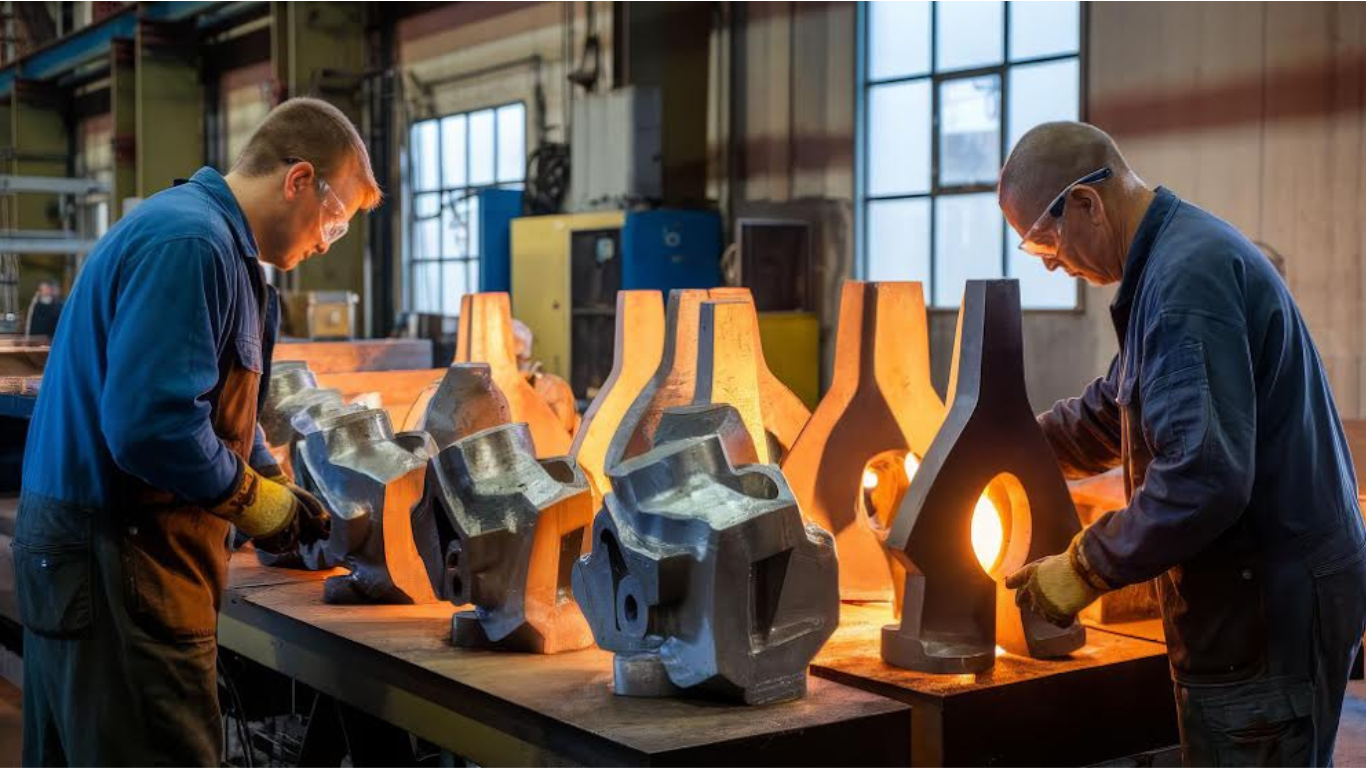
Sand casting is a manufacturing process where molten metal is poured into a mold made from compacted sand. After the metal cools and hardens, the sand mold is removed, leaving the finished cast part.
The basic process includes:
- Creating a pattern – A model of the desired part is produced.
- Preparing the sand mold – Sand is packed around the pattern to create the mold cavity.
- Pouring molten metal – Aluminum, brass, or another alloy is heated and poured into the mold.
- Cooling and removal – The metal solidifies, and the casting is removed.
- Finishing and inspection – The part may be cleaned, machined, or finished based on requirements.
This process is widely used because it can create parts with detailed shapes without requiring expensive tooling.
Why Is Sand Casting Useful for Custom Designs?
Sand casting is valuable when you need a part that does not fit standard manufacturing options. Unlike processes that require expensive permanent molds, sand casting allows easier adjustments during development.
For example, architectural and outdoor projects often require custom metal components with specific dimensions or decorative details. A manufacturer can create a pattern based on the exact design instead of forcing the project into a standard shape.
Custom components such as outdoor fixtures, specialty hardware, and decorative elements often benefit from this flexibility. A well-designed casting process can also support unique features that would be difficult or expensive to create through machining alone.
When Should You Choose Sand Casting Over CNC Machining?
Sand casting is usually a better option when the part has a complex shape or when removing large amounts of material through machining would be inefficient.
CNC machining works by cutting material away from a solid block, while casting creates the basic shape by forming the metal directly. This difference can make casting more practical for larger or more detailed parts.
For example, if you need a custom outdoor metal component with curves, channels, or decorative features, casting may reduce production steps. Products like a decorative pool skimmer cover can require both functional performance and visual design, making custom casting a useful option for specialized applications.
How Do You Select the Right Process for Your Project?
Before choosing a manufacturing method, review these questions:
- What material does the part require?
- How many units do you need?
- Does the design include complex shapes?
- What surface finish is required?
- Will the part face outdoor conditions or heavy use?
If your project requires custom dimensions, unique designs, or limited production quantities, sand casting may provide the flexibility needed without the cost of large-scale tooling.
Manufacturers and businesses should also consider how technology trends and changing customer needs influence production decisions, similar to how industries adopt solutions such as smart retail to improve efficiency and meet evolving demands.
Final Thoughts
Sand casting remains an important manufacturing option because it combines design flexibility, material choices, and cost control. While methods like CNC machining, forging, and die casting have their own advantages, sand casting is often the better choice for custom metal parts that require complex designs or smaller production runs.
By understanding the differences between manufacturing methods, you can choose a process that fits your project requirements and avoids unnecessary production challenges.
Article received via email