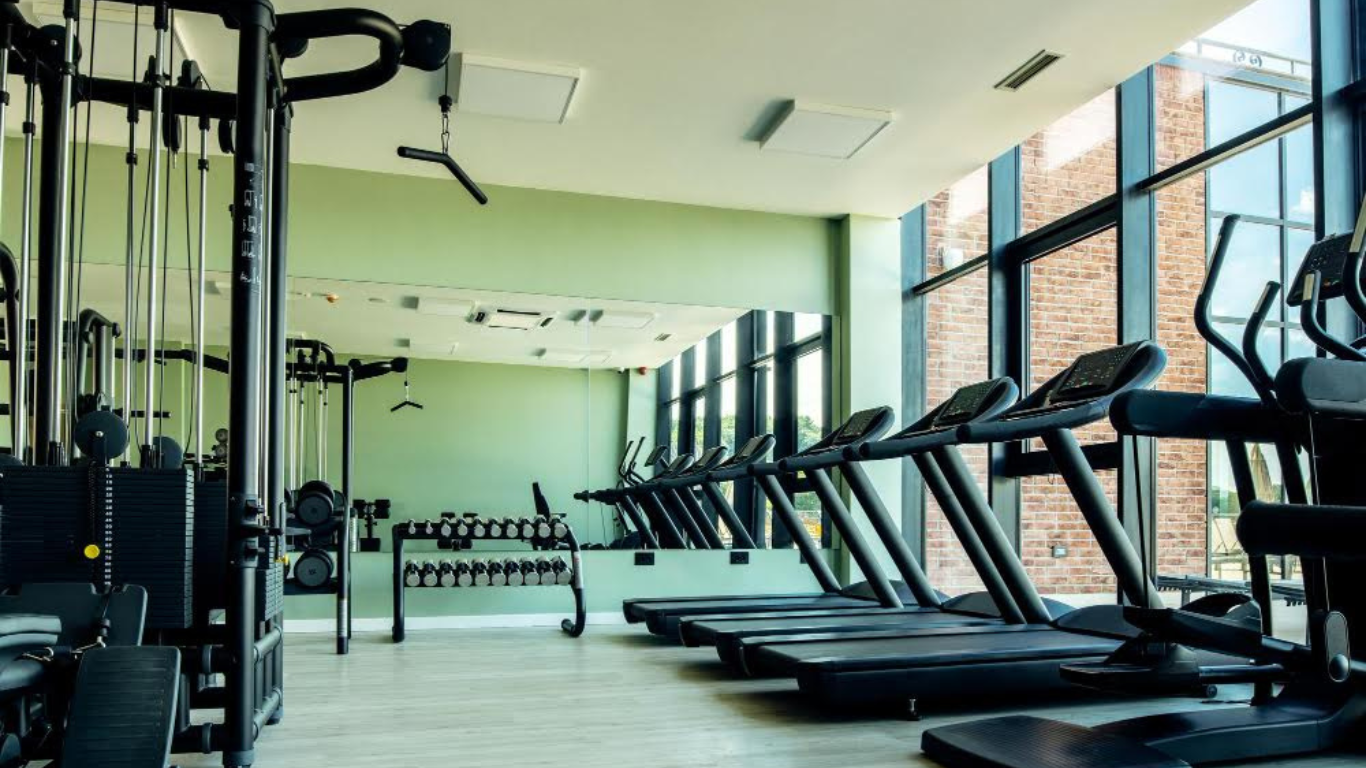
Opening a fitness facility in Australia means competing in a crowded market where members expect safe, well designed spaces. Because Australians spend billions on gym memberships each year, your project needs clear planning from day one. I will walk you through the key steps so you open on time, stay within budget, and build a club that lasts.
Executive Summary
Your success hinges on getting approvals early and aligning building services with your equipment plan.
Validate building classification and services capacity, then confirm power and data needs before you finalise the layout.
Fold code, energy, accessibility, and safety obligations into your brief, and plan commissioning, delivery sequencing, and a short pilot from day one.
Step 1: Define Your Business Model and Capacity Targets
Every decision in your fit out flows from your revenue engine, the way your business actually makes money.
Decide whether you are building a 24/7 low staffed club, a full service health club, a boutique studio, or a community facility. Each model changes your space mix, staffing levels, and building services load.
Capacity Planning
- Set target peak headcount and average visit length.
- Define zone mix that fits your site size.
- Calculate equipment quantities by type to support your revenue goals.
- Model peak occupancy in each zone to avoid queues.
Financial Guardrails
Set a capex (capital expenditure) and opex (operating expenditure) envelope with a payback target under 30 to 36 months. Create budget ranges for the build, equipment, and contingency so you avoid scope creep. Define clear success metrics early so every partner knows what winning looks like.
Step 2: Site Selection and Approvals
Confirm the building classification with your certifier before you sign a lease or pay a deposit.
Many fitness facilities are treated as Class 9b assembly buildings under the National Construction Code, which changes exit paths, fire protection, and occupancy limits.
Services Capacity Check
- Request switchboard schedules and mechanical drawings from the landlord.
- Compare required power circuits against the base building capacity.
- Validate HVAC (heating, ventilation, and air conditioning) tonnage and fresh air rates.
- Check existing communications infrastructure and paths for new cabling.
Lease Constraints
Document landlord rules for operating hours, noise, deliveries, and parking. Arrange a slab scan where heavy free weights and racks will sit to avoid costly surprises.
Step 3: Code and Policy Foundations
Hardwire Australian codes and standards into your brief so vendors price to them correctly.
Account for National Construction Code requirements, including exit paths, fire safety, and Section J energy efficiency rules for your building class.
Reference the Disability Access to Premises Standards 2010, key workplace safety duties, and the Privacy Act 1988 in your brief.
Step 4: Program the Space
Good layout protects flow, safety, and the member experience.
Map clear walk lines from entry to cardio areas and from reception to changerooms. Keep sightlines open so staff can supervise the entire floor.
Zoning Principles
- Group noisy areas away from neighbours, offices, and treatment rooms.
- Keep adequate clearances around each piece of equipment.
- Place functional training areas with turning room away from exits and main walkways.
- Provide dedicated, enclosed storage for accessories and loose items.
Step 5: HVAC and Indoor Air Quality
Ventilation directly affects member health, comfort, and how long people want to stay.
Specify outdoor air supply rates to meet occupancy and health guidance, not only equipment heat loads. Provide purge modes for studios between classes to clear CO2 and humidity spikes.
Avoid fan placement that blows air directly from person to person. Integrate CO2 monitoring for real time assurance that ventilation is working. Consider filtration upgrades or portable units for high density periods.
Step 6: Power, Data and Acoustic Control
Pre wiring to a detailed plan prevents messy rework and unexpected costs later.
Provide dedicated circuits, surge protection, and data to each cardio cluster. Plan Wi-Fi coverage and cable management so members do not trip or unplug devices.
Treat heavy lifting zones with impact rated rubber and isolation pads. Add wall and ceiling treatments to keep noise below exposure standards. Design zoned audio with set sound pressure limits for each area.
Step 7: Surfaces and Finishes
Select surfaces for function, safety, durability, and simple cleaning.
In free weight areas, specify impact rated rubber at 10 to 15 millimetres thickness. Typical installed flooring ranges from about AU$30 to AU$100 per square metre, depending on grade.
In wet areas, use slip resistant finishes with the right AS 4586 rating. Detail falls and drainage so water does not sit, and choose cleanable wall finishes with consistent lighting.
Step 8: Equipment Plan and Digital Stack
Buy equipment to match your program and lifetime cost, not just the sticker price.
Build an equipment matrix with power, footprint, clearances, and key specifications. Balance cardio, strength, and functional pieces to match your programs and members.
Specify networked consoles, asset tags, and integrations with your CRM and access control. Order key spares with your first purchase so you can fix breakdowns quickly.
Step 9: Installation and Commissioning
Execute installation with a tight plan that protects your finishes and captures documentation.
Sequence deliveries by zone and protect floors before uncrating equipment. Verify electrical and data terminations at each location.
Mechanical and Digital Checks
Secure and level all strength pieces to manufacturer specifications, then run diagnostics on every connected console. Check noise and vibration, adjust isolation where needed, and capture any defects. For a smoother handover, coordinate delivery, assembly, anchoring, and commissioning, including all on-site adjustments and safety checks, through a specialist experienced local gym equipment installer such as Kinta Fitness.
Step 10: Accessibility and Safety
Make inclusive access non negotiable from the very start.
Provide compliant accessible paths, changerooms, showers, and signage in line with the Disability Access to Premises Standards 2010.
Implement incident reporting, first aid coverage, and AED placement. Train staff regularly and keep wet areas clear, with documented cleaning checks.
Step 11: Pre-Opening Readiness
Run a seven to fourteen day pilot with members before full launch.
Log issues daily to surface hidden defects and training gaps. Test access control, evacuation procedures, and cleaning protocols under real use.
Confirm all defects are closed out and sign offs are complete before you open to the public. Your first impression heavily shapes member retention.
Conclusion
Facilities that are accessible, well ventilated, and acoustically controlled cost less to run and keep members longer.
Follow this sequence, document every sign off, and treat commissioning as a core deliverable, not an afterthought. Use this roadmap to brief your team clearly so you minimise variations and open with confidence.
FAQs
Clear approvals, robust ventilation, qualified staff, and good acoustic control reduce risk before and after you open.
What Approvals Do I Need Before Fit Out?
Confirm use classification with your certifier, check electrical capacity, and meet any local signage rules.
How Do I Choose Ventilation For High Use Studios?
Size outside air to people load, add purge modes between classes, and verify performance with CO2 monitoring.
What Certifications Must Trainers Hold?
Require current First Aid, CPR, and appropriate insurance, and prefer AUSactive registered professionals where possible.
How Do I Reduce Noise Complaints In Mixed Use Buildings?
Treat impact zones at the source, monitor sound levels near neighbours, and move high impact work away from shared walls.
Article received via email