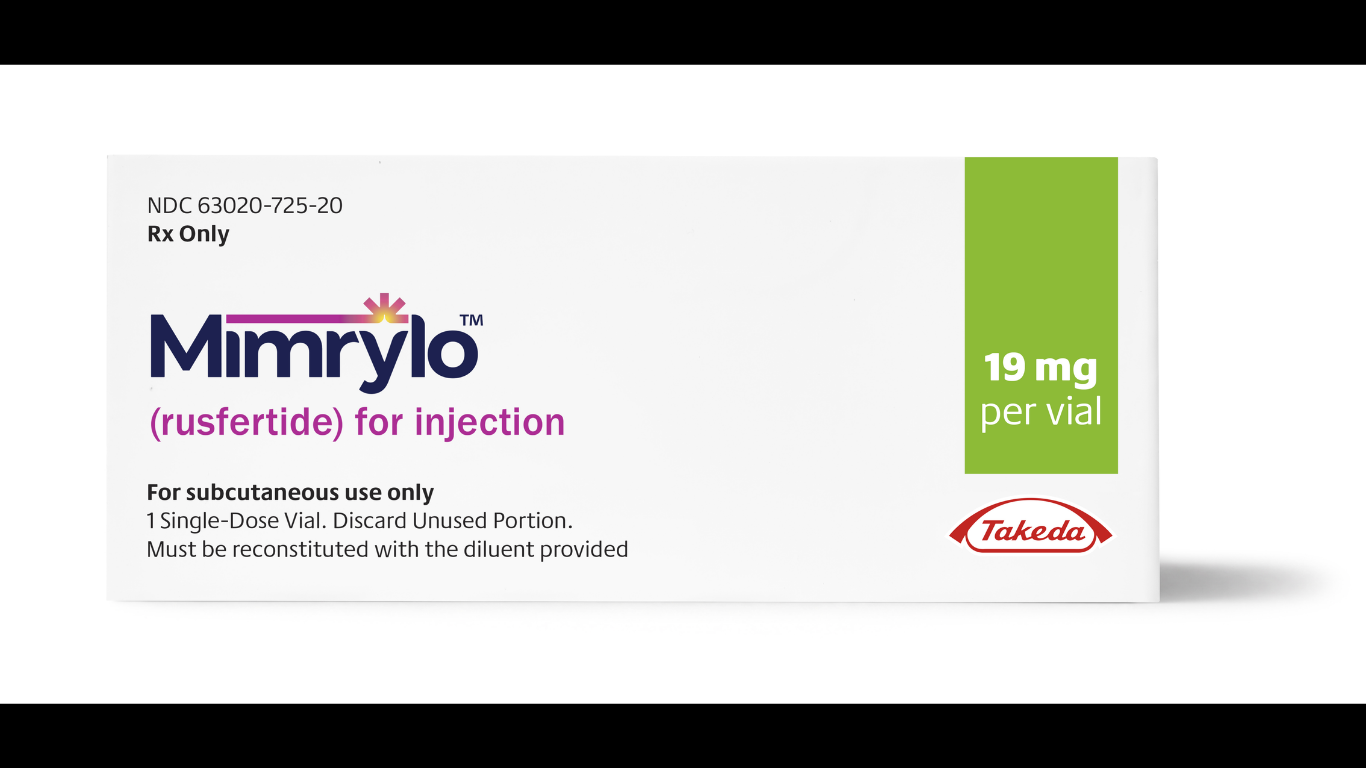
Takeda (TSE:4502/NYSE:TAK) recently announced U.S. Food and Drug Administration (FDA) approval of the New Drug Application (NDA) for MIMRYLO (rusfertide) for the treatment of erythrocytosis in adults with polycythemia vera (PV), a blood cancer.
MIMRYLO is a first-in-class hepcidin mimetic designed to regulate iron distribution in the body and red blood cell overproduction to control hematocrit levels, which is the ratio of red blood cells to the total amount of blood in the body. Maintaining controlled hematocrit levels below 45% is the primary treatment goal in PV.
“For patients living with PV, uncontrolled hematocrit can have serious consequences, including an elevated risk of life-threatening thrombotic events,” said Andrew T. Kuykendall, M.D., VERIFY lead investigator and Associate Member in the Department of Hematology at Moffitt Cancer Center. “Current treatments, such as phlebotomy, leave a significant gap for too many patients and can pose challenges to daily life and routines. The approval of MIMRYLO offers clinicians and patients a novel, first-in-class therapy that targets erythrocytosis, which drives excess red blood cell production in PV. The strength and consistency of the VERIFY data give me real confidence in MIMRYLO’s potential to advance how we treat PV in everyday practice and to maintain hematocrit control.”
Uncontrolled Hematocrit is a Challenge in the Treatment of PV
Affecting approximately 90,000 people in the U.S., PV is characterized by the overproduction of red blood cells (erythrocytosis), leading to elevated hematocrit which can increase blood viscosity, or thickness. This has the potential to result in life-threatening thrombotic events, including stroke, deep vein thrombosis and pulmonary embolism. Maintaining hematocrit levels consistently below 45% can prevent thrombotic events and alleviate burdensome symptoms, including severe fatigue, pruritus (itching), difficulty concentrating and night sweats. An estimated 78% of patients still experience uncontrolled hematocrit with current standard of care, including phlebotomy and cytoreductive therapies. Patients with PV experiencing uncontrolled hematocrit have a four times higher risk of cardiovascular death or major cardiovascular events.4
“People living with PV often experience complex and invisible symptoms, from extreme fatigue to the emotional strain of living with a chronic blood cancer,” said Kapila Viges, Chief Executive Officer, MPN Research Foundation. “At the same time, we know that every patient’s experience with PV is different, underscoring the need to continue to listen closely to the community to understand what matters most. There remains a need for treatments that better address these daily challenges. This meaningful approval reflects important progress and brings forward a new treatment option in a disease where patients have long needed innovation and more choices. We are encouraged by MIMRYLO’s potential to help patients meet their treatment goals.”
MIMRYLO is a First-In-Class Treatment Option for Adults with PV
The approval was supported by data from the global randomized Phase 3 VERIFY study (NCT05210790) that included 293 patients with PV, showing that MIMRYLO met all efficacy endpoints and demonstrated a favorable safety profile. In the study, patients receiving MIMRYLO plus current standard of care demonstrated a higher response rate compared to placebo plus current standard of care. This included hematocrit control, a reduction in the need for phlebotomy and improvement in fatigue as measured by PROMIS Fatigue Short Form 8a.
MIMRYLO was generally well-tolerated through 52 weeks of treatment in the VERIFY trial. The most common treatment-emergent adverse events in MIMRYLO-treated patients were injection site reactions and anemia. Learn more about the Phase 3 data results.
“The approval of MIMRYLO underscores the strength of Takeda’s late-stage pipeline and our focus on developing genuinely differentiated therapies for patients who are urgently waiting for new options,” said Julie Kim, President and Chief Executive Officer, Takeda. “We are at an important inflection point as we prepare to deliver three new medicines, which have the potential to drive our future growth and are a reflection of our commitment to advancing innovation that doesn’t just add to the treatment landscape, but reshapes it. We are grateful to the patients, care partners, advocates and investigators who helped make this approval possible.”
The open-label extension of the VERIFY trial is ongoing and Takeda will share further findings at upcoming medical conferences. Takeda is working with regulators outside of the U.S. to potentially bring MIMRYLO to more patients worldwide.
This approval does not result in any changes to Takeda’s consolidated financial forecast for the fiscal year ending March 31, 2027 (FY2026).

IMPORTANT SAFETY INFORMATION
WARNINGS AND PRECAUTIONS
- New or Worsening Thrombocytosis: MIMRYLO may increase platelet counts in patients with PV. Platelet counts generally plateaued on treatment by Week 8. After initiating MIMRYLO and during dose modifications, monitor CBC every 2 to 4 weeks or as clinically indicated. Platelet elevations associated with MIMRYLO may require cytoreductive therapy initiation, modification, or MIMRYLO dose modifications or discontinuation.
- Injection-Site Reactions: Injection site reactions (including Grade 3 reactions) have been reported in patients treated with MIMRYLO. The most common injection site reactions reported were erythema, pruritus, pain, and swelling. Use ice, topical corticosteroid creams, antihistamines or analgesics, as needed, to treat injection site pain and swelling.
- Embryo-Fetal Toxicity: Based on findings from animal reproduction studies, MIMRYLO may cause fetal harm when administered to a pregnant woman. Advise patients to stop taking MIMRYLO if they become pregnant.
ADVERSE REACTIONS
The most common (>15%) adverse reactions were injection site reactions (56%) and anemia (16%).
USE IN SPECIFIC POPULATIONS
- Lactation: Because of the potential for serious adverse reactions in the breastfed child, including impaired iron absorption, advise patients not to breastfeed during treatment with MIMRYLO and for 30 days after the final treatment.
- Females and Males of Reproductive Potential
- Pregnancy Testing: Prior to initiating MIMRYLO, pregnancy testing is recommended for females of reproductive potential.
- Contraception: Advise female patients of reproductive potential to use effective contraception during treatment with MIMRYLO and for at least 30 days after the final dose of MIMRYLO.