Working together is the heartbeat of any successful company. When everyone pulls in the same direction, goals feel easier to reach. You might notice that some days feel disjointed or slow. Bonding happens when people step away from their screens for a bit.
The Impact Of Team Building On Performance
Building a strong unit requires more than sitting in the same office. Shared experiences help people understand how their peers think. Groups prioritizing these initiatives see a 25% bump in performance. High performance comes from trust and familiarity.
Teams that play together stay together. After a successful outing, people feel more comfortable asking for help when they know their coworkers well. Managers who lead by example get the best results. Joining in on the fun shows that everyone is on the same level.
Interactive Games For Better Communication
Simple games spark creativity and lighthearted competition. You can use an online picker wheel and pick a random letter to start a word game that gets everyone laughing. Quick mental breaks keep the brain sharp.
Spontaneity keeps the atmosphere fresh and exciting. Small contests build a sense of unity. Winning a small prize can make someone’s day and create a memory that lasts longer than a standard meeting. Word games and trivia are easy to set up and won’t require a big budget or much time.
Breaking Down Communication Barriers
Misunderstandings lead to delays and frustration in projects. 63% of employees lose time at work due to poor collaboration. Fixing this problem means creating spaces where people feel safe sharing ideas.
Silence in a meeting means people are afraid to speak up. Breaking that silence with a group activity opens the door. Communication is about listening just as much as speaking. Every voice matters in a collaborative space.
Hybrid Workshops For Modern Teams
Many offices now use a mix of remote and in-person settings. Keeping everyone connected across different locations is a modern challenge. Hybrid workshops can boost project outcomes by 15%. Planning these sessions requires careful thought about engagement.
Remote workers can feel left out of the loop, so use digital tools and guarantee that everyone can contribute. Equal participation makes the whole group stronger. Digital platforms offer many ways to interact: you can use polls or chat rooms to get instant feedback. This effort shows that the company cares about every employee, regardless of where they sit.
Problem-Solving Challenges
Challenges that require groups to think on their feet are very effective. You could try an escape room or a building task.
- Bridge building with paper
- Digital scavenger hunts
- Timed logic puzzles
- Role-playing scenarios
Watching how a group tackles a difficult task reveals a lot. Some people lead while others look for details. Problem-solving skills are useful in every department. Practicing these skills in a low-stakes environment removes the fear of failure.
Creative Collaboration Exercises
Creative tasks allow people to show off hidden talents. Maybe a quiet accountant is a great artist. Painting a mural together or writing a group story can be fun and unlock creativity.
New ideas flow when the pressure is off. Stepping away from spreadsheets allows the mind to wander. You might find a solution to a work problem while doing something unrelated. Creativity is a muscle that needs regular exercise.
Outdoor Adventure And Trust
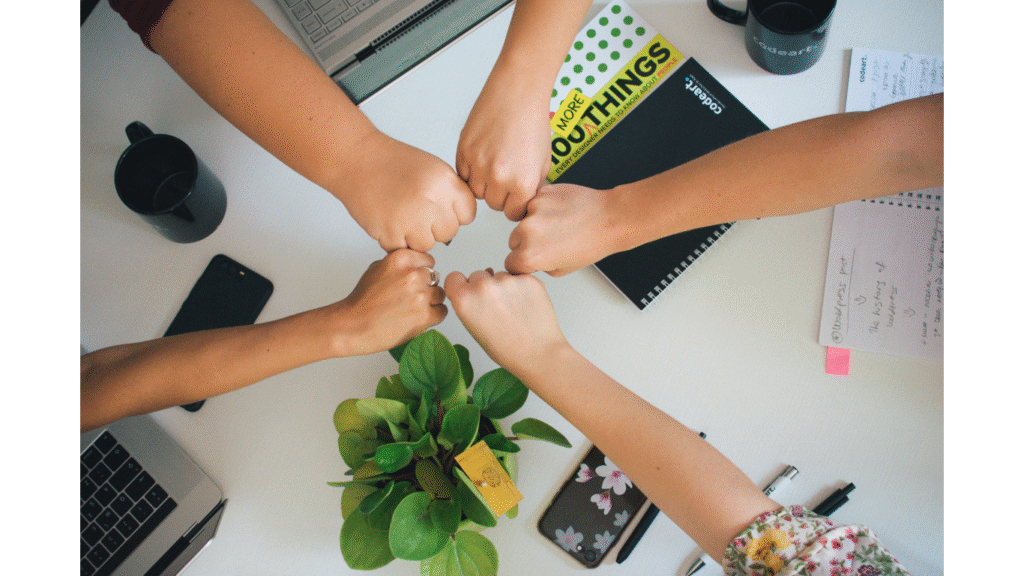
Getting out into nature changes the perspective. A hike or a ropes course forces people to rely on each other. Physical activity releases stress and clears the head. Fresh air helps people think more clearly.
Trust is built in small moments of support. Helping a teammate over an obstacle builds a lasting bond. Those feelings of support carry back into the office. The environment outside the four walls of the office is perfect for growth.
Building Lasting Support Systems
Trust is the glue that holds a team together. Without it, every task becomes a struggle. Simple trust walks or blindfold challenges can be very revealing. They show how well people can follow instructions.
Seeing a coworker follow through on a promise builds confidence. Such exercises highlight the value of every voice. A group that trusts each other can handle any crisis. Building trust grows through daily interactions.
Strengthening a team takes time and effort to build a space where everyone feels valued. Small steps lead to big changes in culture. You will see the results in the quality of the work and the smiles in the hallway. Happy teams are productive teams that focus on the people, and the rest will follow.
Article received via email