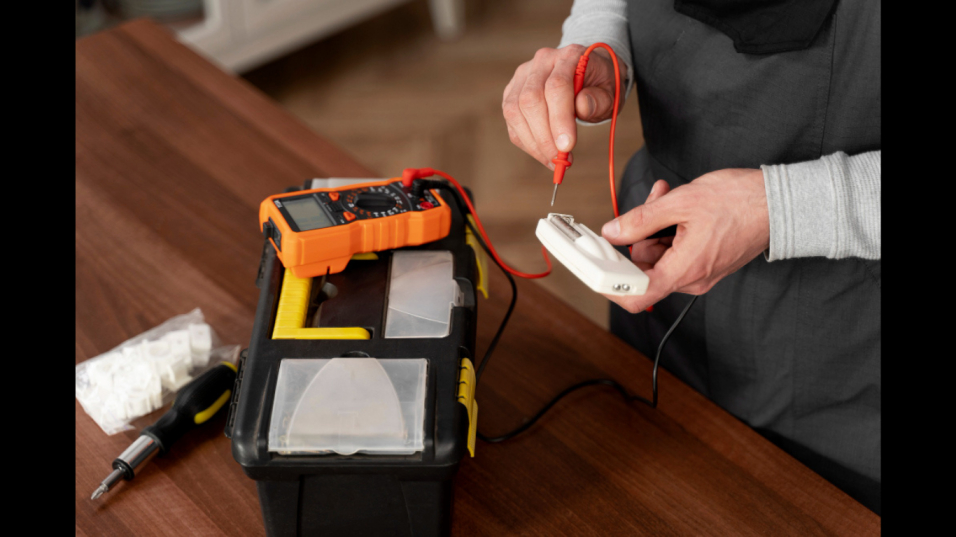
Dead batteries always seem to fail at the worst possible moment. Your car won’t start on a freezing morning, your remote dies during an important presentation, or your flashlight quits during a power outage. Most people replace batteries based on guesswork or wait until complete failure. A digital battery tester eliminates this uncertainty by showing you exactly which batteries still have life and which ones need replacement.
Why Accuracy Matters in Battery Testing
Traditional methods of checking batteries often provide misleading information. The old trick of dropping a battery on a hard surface and seeing if it bounces tells you almost nothing about the actual charge level. Even basic voltage readings can be deceiving because a battery might show adequate voltage when idle but fail under load.
Key Benefits of Digital Battery Testers
Let’s explore the specific advantages that make digital testing the superior choice for battery management.
Instant and Clear Results
Digital testers provide readings in seconds with no interpretation required. Instead of trying to read where a needle points on a scale, you get a clear numeric display or a simple pass/fail indicator. This immediacy means you can quickly sort through a drawer of mixed batteries without spending half your afternoon testing. The clear display also eliminates errors from misreading results, especially important when testing multiple batteries in succession.
Cost Savings Over Time
While a digital battery tester requires an upfront investment, it pays for itself quickly. You’ll stop throwing away batteries that still have 50% or more charge remaining. You’ll also avoid the cost and inconvenience of emergency battery purchases because you’ll know which batteries need replacement before they fail. For businesses or facilities managing large battery inventories, these savings multiply significantly.
Choosing the Right Digital Battery Tester
Not all digital testers offer the same features or quality. Understanding what to look for helps you select the best tool for your needs.
Essential Features to Consider
A good digital battery tester should offer easy-to-read displays, preferably backlit for use in dim conditions. Look for models with an automatic shut-off to prevent draining the tester’s own battery. A clear battery level indicator—whether numeric, bar graph, or color-coded—makes results interpretation straightforward. Sturdy construction matters too, as testing tools often get dropped or knocked around in drawers.
What Makes the Best Digital Battery Load Tester
The best digital battery load tester combines several key attributes. It should test all battery types you regularly encounter, provide both voltage and load test capabilities, offer clear and accurate results, and maintain calibration accuracy over time. Customer reviews often reveal real-world reliability issues that specifications don’t show. Look for brands with good warranty support and established reputations in battery testing equipment.
How to Use a Digital Battery Tester Effectively
Getting accurate results requires proper testing technique and understanding what your results mean.
Proper Testing Procedure
Start by ensuring the tester itself has fresh batteries and is functioning correctly. Most digital battery tester units include a self-test function. Insert or place the battery being tested according to the tester’s design—some use spring-loaded contacts while others have specific slots for each battery size. Wait for the reading to stabilize, which usually takes just a few seconds. Record or act on the result before removing the battery.
Understanding Your Results
Digital testers typically show results in one of several formats. Numeric voltage readings should be compared to the battery’s rated voltage—1.5V for alkaline, 1.2V for NiMH rechargeable, 9V for rectangular batteries. Bar graphs usually display relative charge level as a percentage. Color-coded indicators (green/yellow/red) or simple pass/fail readings make decisions even easier. Replace batteries showing in the red zone or marked as “replace” even if they still provide some power.
When to Test Batteries
Regular testing creates the most value from your digital battery tester. Test new batteries when you purchase them to verify quality before storing. Check stored batteries every few months since they lose charge over time even when unused. Test all batteries before important uses like camping trips or storm season. After devices stop working, test the batteries before assuming they’re dead—sometimes the device itself has failed.
Emergency Preparedness
For emergency kits and disaster preparedness supplies, knowing your batteries work provides genuine peace of mind. Test emergency batteries quarterly and after any situation where they might have been used. Keep your digital battery tester in an accessible location with your emergency supplies so you can verify battery readiness whenever needed.
Article received on email