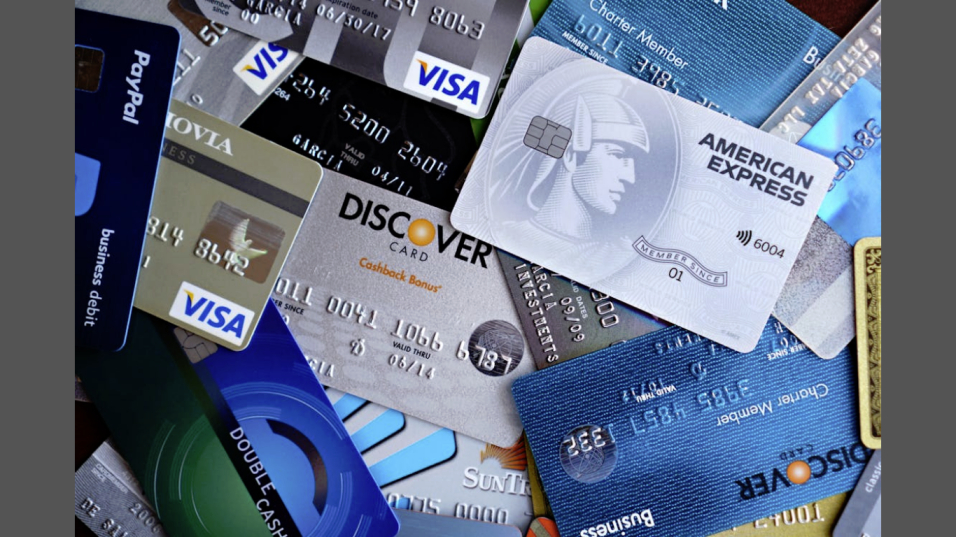
Right now, people often borrow money just to keep up with bills, handle surprises, or jump on certain chances. One type showing up more lately is called forbrukslån – basically, personal loans you can spend freely. They usually come without any need for security, like houses or cars tied to them. Lenders look at your past finances instead, using that to decide if repayment seems likely.
Nowadays, digital banking reshapes money matters, opening doors to consumer loans that show clearer terms. Even so, people face pressure to grasp how borrowing works – its upsides mixed with possible downsides too. Seeing where forbrukslån fits into today’s economy helps shape smarter choices with cash.
Understanding the basics of forbrukslån
A single payment loan often covers everyday costs instead of being locked to one big buy. Without needing a house or car as backup, this type of borrowing leaves room to spend the money where it’s needed most. What sets it apart isn’t the size but how freely it moves across bills, fixes, or plans.
Still, what draws many people to forbrukslån is how quickly they can obtain money, skipping the long waits typical of regular loans. Though rigid rules slow down most lenders, these loans move more quickly, fitting lives that can’t pause. With simpler checks, cash arrives sooner, which matters when timing counts. Even so, speed doesn’t mean carelessness – borrowers still face terms. Yet, knowing help isn’t buried in paperwork brings relief.
The rise of digital lending platforms
Few shifts have stood out as much as the rise of online lending platforms over the last ten years. Getting a loan used to mean showing up several times at an office, filling out piles of forms, and then sitting around for weeks waiting to hear back.
Nowadays, getting a loan often happens straight from your screen. Some lenders let people fill out forms online instead of visiting an office. Identity checks happen through secure digital steps rather than paperwork. Decisions come back faster because systems work nonstop. Easier access means more folks can try applying now. Speed and simplicity draw users who once avoided the process.
Balancing convenience with responsibility
Borrowing becomes more available, yet thinking ahead matters just as much. Experts usually say loan decisions work better when tied to solid plans instead of quick fixes.
Lenders aren’t the only ones who need to pay attention – borrowing money means looking closely at more than just monthly payments. Think about what you’ll actually repay when everything’s added up, since fees hide in plain sight sometimes. The percentage charged matters, yes, but so does how often it builds up over months or years. Payments spread out might seem easier now, though stretching them too long could backfire later on.
Financial education in the digital age
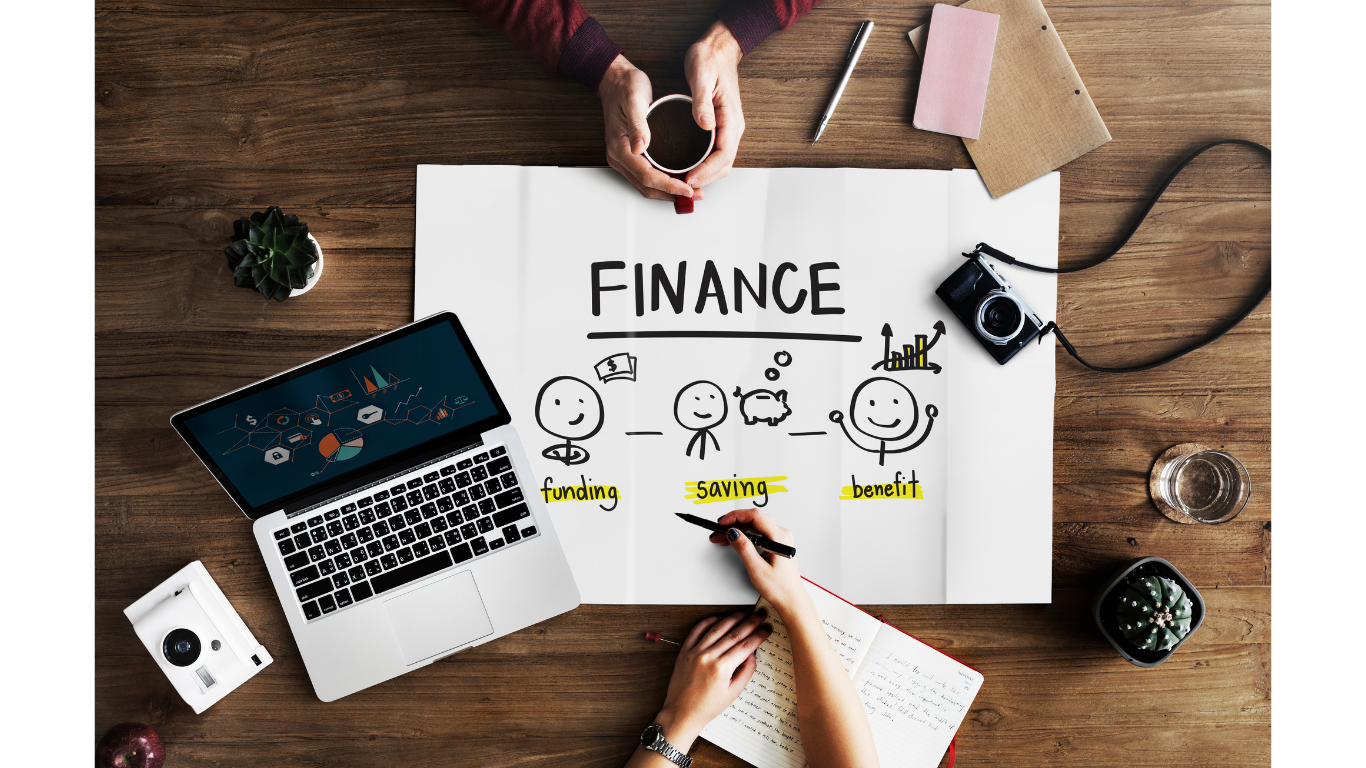
Nowadays, learning happens through screens more than books when it comes to cash matters. Pages on the internet toss out advice about borrowing, spending plans, and owing money using different styles. Short clips or clear cases help some folks get what interest rates mean. Lengthy blocks of words tend to confuse instead of clarify. Step-by-step walkthroughs stand out because they reveal where each number leads. If you want to explore additional financial resources and information, you can check this link to learn more about online platforms that provide insights into consumer lending and financial planning.
The impact of financial technology on borrowing
Online services made borrowing easier than before. Instead of long waits at banks, folks now use quick digital options that show exactly what is happening. Some programs look at habits like shopping patterns or pay schedules – then offer tips built around real behavior.
Managing debt in a changing financial landscape
Now that loans are easier to get, keeping track of what you owe matters more. One way folks handle this is by rolling several bills into a single payment each month. That shift often clears up the mess of remembering who gets paid when. It streamlines things, even if it does not fit every situation perfectly.
Conclusion
Nowadays, taking out a consumer loan fits into daily money life differently because habits around cash have shifted. Digital tools arrived, changing who can borrow and how fast it happens.
Still, more options mean needing to choose wisely. When people learn what lenders really offer, weigh up different money tools, then build real know-how with numbers, they steer borrowing toward growth instead of stress.
Article received via email