High-performing executives pride themselves on pushing through challenges. Deadlines, difficult negotiations, and demanding schedules rarely slow them down. Yet chronic hip pain quietly undermines performance in ways that even the most driven leaders cannot simply power through.
The boardroom requires presence and confidence that physical discomfort steadily erodes. Long flights become dreaded ordeals rather than routine business necessities. Client dinners and networking events feel exhausting when standing causes constant pain. Your competitive edge dulls while you focus on managing discomfort.
Many business leaders delay addressing hip problems because their schedules seem too demanding to accommodate treatment. The irony is that untreated pain costs far more productivity than recovery ever would. Every month of postponement extracts a toll on performance, decision-making, and leadership effectiveness.
Smart executives apply cost-benefit analysis to business decisions daily. The same logic applies to your physical health. Investing in proper treatment delivers returns that compound across every professional and personal dimension.
The Hidden Costs of Executive Hip Pain
Chronic pain impairs cognitive function in ways research has thoroughly documented. Decision-making quality declines when mental resources divert toward managing discomfort. The strategic thinking that built your career suffers without you fully recognising why.
Energy reserves deplete faster when your body fights constant pain signals. The stamina required for twelve-hour days and intense negotiations diminishes noticeably. Competitors operating without this handicap hold an advantage you are voluntarily conceding.
Sleep disruption from hip pain cascades into every aspect of professional performance. Poor rest affects mood, focus, patience, and creativity simultaneously. The executive who cannot sleep well cannot perform at their peak.
Travel limitations shrink your professional reach and opportunity landscape. Declining conferences, avoiding client visits, and shortening trips all constrain business development. The relationships built through presence cannot be replicated remotely.
Leadership presence suffers when physical discomfort shows through posture and movement. Teams sense when their leader is struggling, even without explicit acknowledgment. The confidence you project directly influences organisational culture and performance.
Why Busy Executives Delay Treatment
The calendar appears to offer no suitable windows for surgery and recovery. Next quarter seems better, but next quarter brings its own demands. This perpetual postponement continues while the condition worsens progressively.
Fear of appearing vulnerable keeps some leaders suffering in silence. Admitting physical limitations feels inconsistent with the strength projected professionally. This mindset prioritises image over the substance of actual capability.
Misconceptions about recovery timelines discourage executives from exploring options. Many assume that modern approaches no longer require. Outdated information prevents informed decision-making about current possibilities.
The perceived indispensability trap convinces leaders that operations cannot continue without them. Delegation feels impossible despite building capable teams specifically for support. This thinking overestimates short-term necessity while underestimating long-term costs.
Modern Solutions for Time-Conscious Leaders
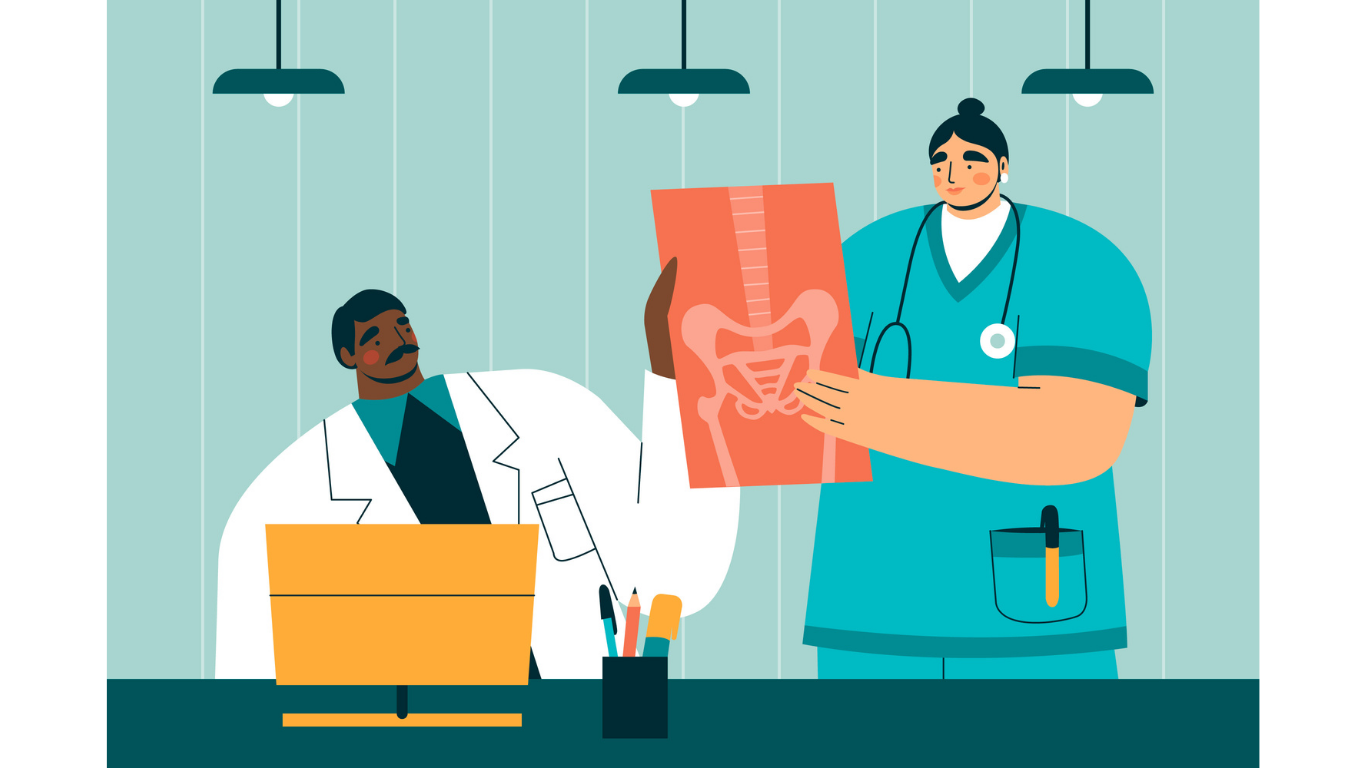
Surgical techniques have evolved dramatically to minimise downtime and accelerate recovery. An experienced hip surgeon in Melbourne understands the demands facing business professionals. Treatment planning can accommodate executive schedules while delivering optimal outcomes.
Minimally invasive approaches reduce tissue disruption and speed healing significantly. Hospital stays have shortened to days rather than weeks. Many executives return to desk work within two weeks of surgery.
Strategic timing allows alignment with natural business cycles. Planning surgery during slower periods minimises professional disruption. Proper preparation ensures your team handles operations smoothly during your recovery.
Remote work capabilities mean recovery no longer requires complete professional absence. Video conferences, email management, and strategic oversight can continue from home. Reduced capacity temporarily is far better than diminished capacity indefinitely.
The Return on Investment of Proper Treatment
Calculate what your impaired performance costs annually in missed opportunities and diminished effectiveness. Compare this against a finite recovery period followed by restored full function. The mathematics favour treatment decisively for most executives.
Post-recovery performance typically exceeds pre-pain baselines significantly. Energy returns, sleep improves, and cognitive resources redirect toward productive purposes. Many executives report performing better than they have in years.
Career longevity extends when physical foundations support continued high performance. The executive who addresses hip problems at fifty-five remains competitive at sixty-five. Postponement often means earlier retirement than circumstances require.
Quality of life improvements enhance performance through increased wellbeing and satisfaction. Leaders who feel good physically bring more enthusiasm and creativity to their roles. This positive cycle reinforces professional success.
Taking Executive Action
The same decisiveness that drives business success should drive health decisions. Gathering information, evaluating options, and committing to action represent sound executive behaviour. Procrastination serves neither your health nor your career.
Consultation with specialists provides the data needed for informed decisions. Understanding your specific situation, options, and timelines enables proper planning. Knowledge replaces uncertainty and fear with actionable intelligence.
Your professional legacy deserves the physical foundation to see it through. The businesses you build, the teams you lead, and the goals you pursue all require your sustained capability. Protecting that capability is not self-indulgence but a strategic necessity.
Schedule a consultation and apply your executive decision-making skills to your own wellbeing. The investment of time pays dividends across everything else you do. Your performance, your career, and your quality of life all benefit.
Lead yourself as effectively as you lead others. Take action today.
Article received via email