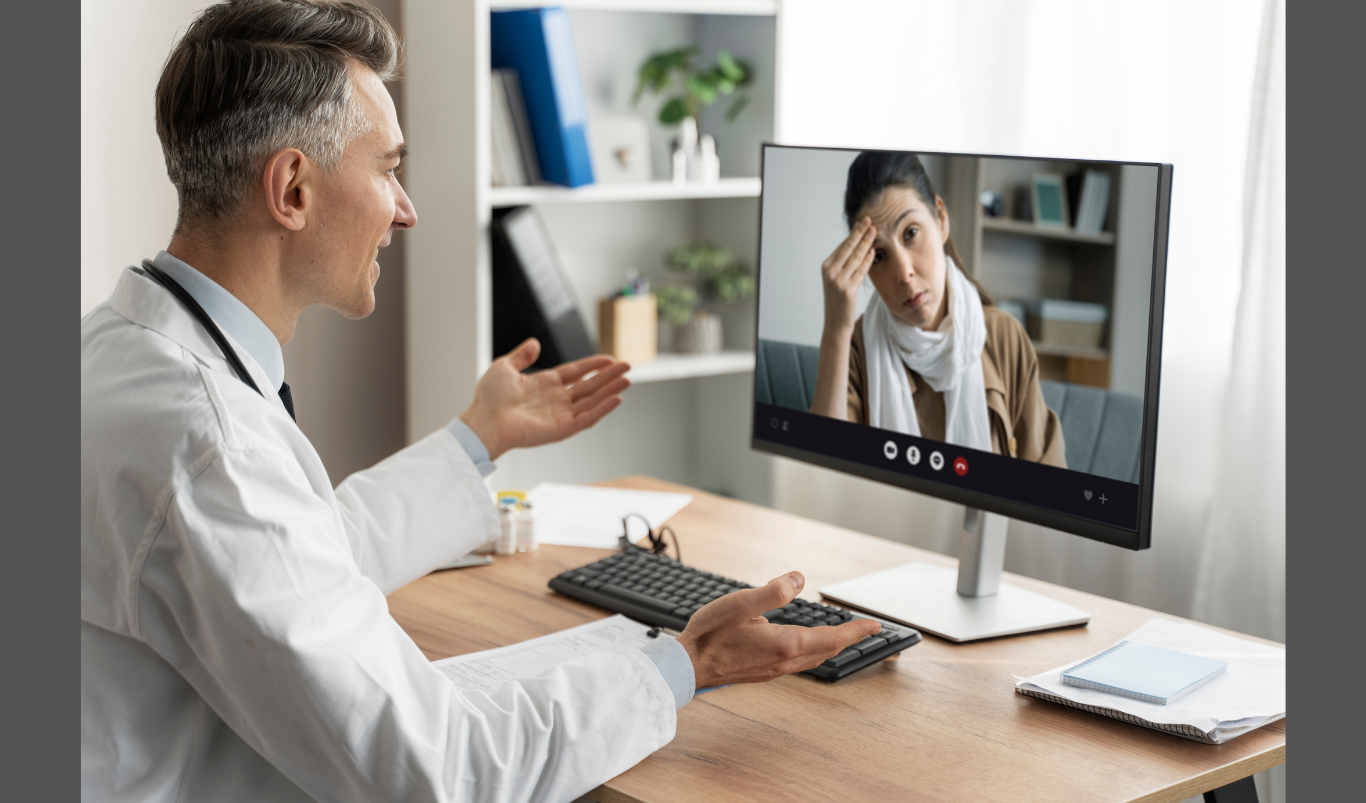
Healthcare access across the UK has changed dramatically in recent years. Patients now expect medical services that are flexible, efficient, and easier to access without unnecessary travel or long waiting times. Because of this shift, online clinics and virtual healthcare platforms are becoming a major part of modern healthcare delivery.
From remote consultations to digital prescriptions, virtual medical support is changing how people manage routine healthcare needs. Many patients are now comfortable discussing common concerns online and receiving treatment guidance through secure digital systems. This transition is helping healthcare providers improve accessibility while also reducing pressure on traditional appointment systems.
One of the biggest reasons online clinics are growing so quickly is convenience. Many people struggle to attend in-person appointments because of work schedules, family responsibilities, transportation difficulties, or long waiting lists. Virtual healthcare allows patients to speak with qualified professionals from home, often saving both time and stress.
Online clinics are especially useful for routine medical concerns that do not always require physical examinations. These services commonly support repeat prescriptions, follow-up appointments, preventative healthcare advice, mild skin conditions, and general lifestyle support. Patients living in rural areas or those with limited mobility may also benefit significantly from easier access to professional guidance.
The rise of virtual healthcare has also changed patient expectations. Many people now expect healthcare services to offer digital appointment booking, online assessments, electronic prescriptions, and faster communication methods. Younger adults and working professionals, in particular, are already accustomed to handling daily tasks digitally, including banking, shopping, and communication.
Privacy is another important factor contributing to the popularity of online clinics. Some patients feel more comfortable discussing personal health concerns remotely instead of visiting physical clinics. Digital healthcare systems can provide greater discretion while still maintaining professional medical oversight and patient confidentiality.
Technology now plays an important role throughout the patient experience. Healthcare providers increasingly use digital systems for scheduling, communication, treatment monitoring, and prescription management. Virtual support platforms are also expanding into specialized healthcare areas, including skincare, weight management, and preventative wellness services.
For example, platforms such as Curely provide patients with access to online healthcare support and prescription treatment guidance through regulated systems designed to simplify routine healthcare access. These types of services reflect the broader movement toward more accessible digital healthcare options across the UK.
Despite their growth, online clinics still face several challenges. Maintaining patient trust remains essential. Healthcare providers must ensure that digital services follow professional medical standards, employ qualified practitioners, and protect sensitive personal information through secure systems.
Virtual healthcare also has limitations. Certain conditions still require physical examinations, diagnostic testing, or in-person treatment. Responsible online clinics must understand when remote support is appropriate and when patients should seek face-to-face medical care instead.
Other ongoing challenges include improving accessibility for less technologically confident users, preventing misinformation about online treatments, and balancing convenience with safe prescribing practices. As digital healthcare expands, maintaining high standards of safety and transparency will remain extremely important.
The growth of online clinics also offers valuable lessons for businesses in other industries. Consumers increasingly value convenience, accessibility, and efficient digital experiences. Companies that simplify customer interactions and improve communication often build stronger long-term trust and engagement.
Healthcare providers that successfully combine technology with professional support are helping shape future consumer expectations. Clear communication, user-friendly systems, and flexible services are becoming standard expectations rather than optional features.
Looking ahead, online clinics will likely remain an important part of healthcare in the UK. While virtual services cannot fully replace traditional healthcare, they can improve access to routine care and help patients manage everyday health concerns more efficiently.
As technology continues evolving, digital healthcare systems may become even more integrated into daily life. Improved communication tools, streamlined appointment systems, and expanded remote healthcare options could continue transforming patient experiences over the coming years.
The future of healthcare in the UK will likely involve traditional medical services and digital innovation working together. Patients increasingly want flexible, accessible, and reliable healthcare support, and online clinics are helping meet those changing expectations in a more connected and convenient healthcare environment.
Digital healthcare may also support earlier intervention by encouraging patients to seek advice before minor concerns become more serious. Faster access to healthcare professionals can improve treatment consistency and help patients feel more involved in managing their wellbeing. As public awareness grows, virtual clinics may continue expanding into additional healthcare categories while supporting more personalized patient experiences across the UK nationwide.
These developments may ultimately create a more efficient and patient-focused healthcare system nationwide.
Article received via email