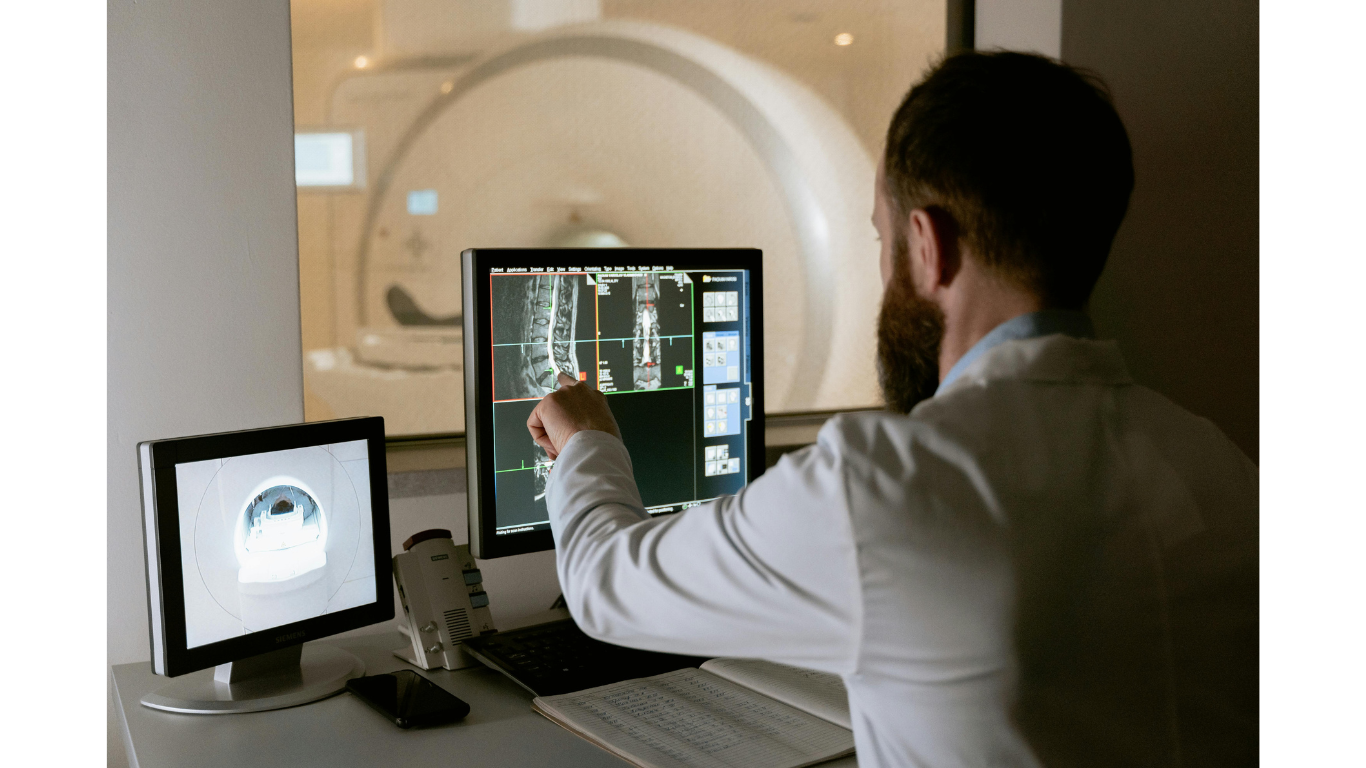
The global shortage of specialized clinicians, especially in diagnostic imaging, has created significant challenges for hospitals and healthcare systems. As demand for MRI and CT services rises, it becomes harder to maintain the staffing levels needed to provide safe, accurate care, on time services. To address this gap, hospitals are hiring travel CT techs who bring specialized skills and can adapt to short-term departmental needs.
Traveling professionals help hospitals keep operations running smoothly, reduce staff burnout, and provide high-quality imaging care with shorter wait times and lower costs than permanent staff. For radiology professionals, working as a travel CT technologist offers unique career benefits, including experience in different clinical settings, hands-on work with advanced imaging equipment, and higher pay.
How Travel MRI and CT Technologists Address Staffing Gaps
Travel MRI and CT technologists play a key role in helping hospitals manage clinician shortages. Their skills and flexibility allow healthcare facilities to provide quality diagnostic services and adjust to changing staffing needs.
Rapid Deployment for Critical Departments
Travel CT techs can be brought in quickly to fill short-term vacancies, helping departments avoid disruptions in imaging services. They offer flexible schedules, varying contract lengths, and local coverage, allowing hospitals to respond fast to staffing shortages, seasonal demand spikes, or unexpected absences.
Maintaining Patient Care and Workflow Continuity
Travel CT technologists help maintain consistent diagnostic imaging services by filling in for permanent staff. Their support reduces overtime, lowers employee burnout, and keeps workflows running smoothly. Hospitals can continue to deliver timely and accurate imaging results, ensuring quality patient care even during busy periods.
Operational and Financial Advantages
Hiring travel technologists can save costs compared to hiring permanent staff in hard-to-fill or high-demand areas. Hospitals benefit from budget flexibility, lower recruitment and onboarding expenses, and direct access to specialized skills without long-term contracts. This approach helps maintain operational efficiency while managing workforce shortages.
Career Perks for Travel CT Professionals
Travel CT placements offer more than just temporary work—they provide unique opportunities for professional growth and skill development.
Diverse Clinical Exposure
Working in different hospitals and imaging centers exposes travel CT techs and technologists to new technologies, varied workflows, and a wide range of patients. This diversity helps them become more adaptable and versatile in diagnostic imaging, and it accelerates their learning.
Fast-Tracked Skill Development
Travel professionals gain experience with a broader and more advanced set of skills than those in permanent positions. They develop practical abilities that strengthen both their technical and problem-solving skills.
Competitive Compensation and Perks
Travel CT professionals often receive higher pay, housing allowances, travel stipends, and flexible work options. These benefits make the roles financially attractive and help professionals achieve a better work-life balance.
Challenges and Considerations
While travel MRI and CT technologist roles offer flexibility and career growth, both professionals and healthcare institutions face several challenges that need to be addressed.
Licensing and Credentialing
Every state or region where travel CT techs work requires proper licensing and credentialing. This can involve extra administrative steps to ensure certifications are current and valid, but it is essential for legal compliance and safe practice.
Travel Logistics and Relocation
Frequent assignments often mean relocating, finding temporary housing, and making travel arrangements. Moving between facilities, packing, and adjusting to new workplaces can be challenging, but it also offers exposure to different clinical settings.
Maintaining Consistency and Quality
Frequent staff changes can impact the quality of imaging services. Hospitals should provide orientation and supervision to help travel CT technologists integrate smoothly into workflows and maintain high standards of patient care.
Conclusion
The worldwide shortage of trained clinicians has made travel CT techs and technologists even more valuable for delivering high-quality diagnostic imaging. They offer hospitals flexibility, continuity of care, and specialized expertise, while also enjoying diverse clinical experiences, skill development, and competitive pay.
Article received via email