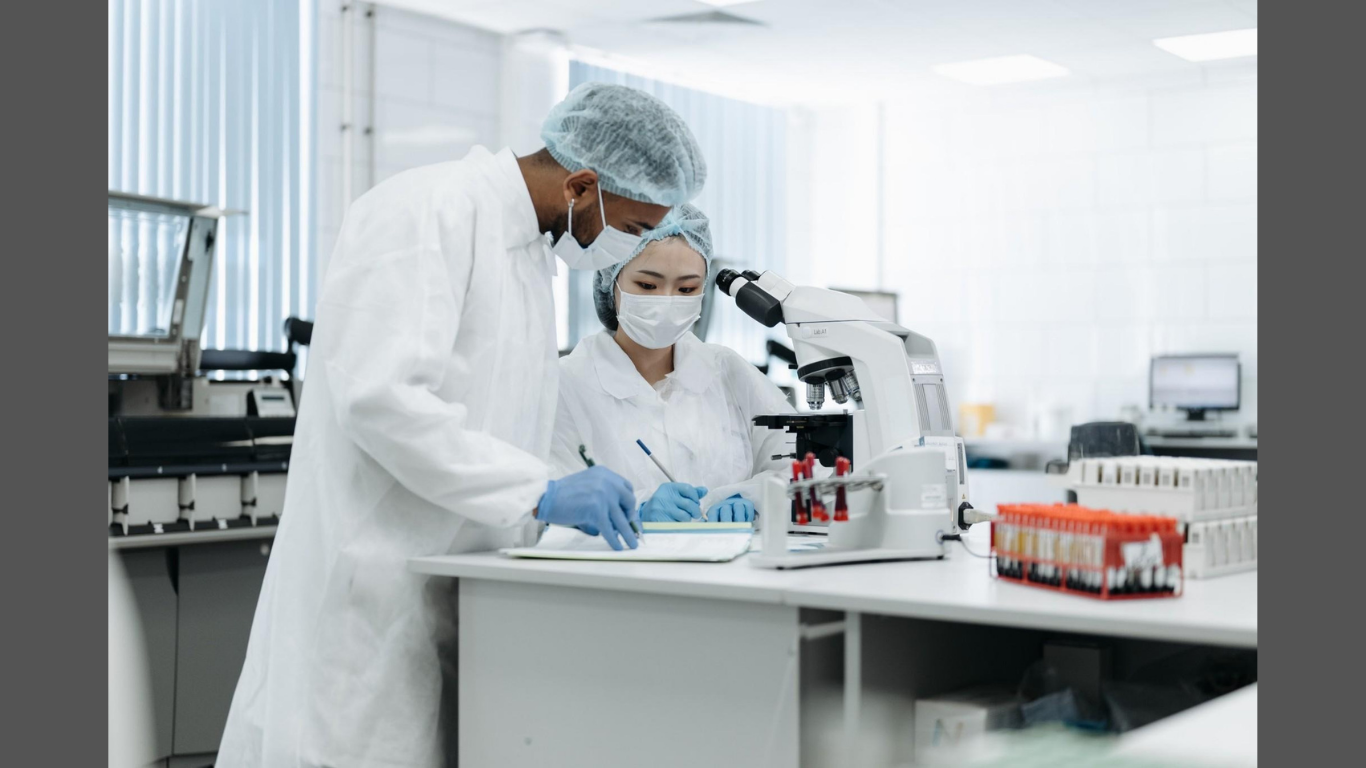
A biotech lab today doesn’t look much different from one five years ago. Same benches, same coats, same rows of plates. What’s changed is quieter than that. Fewer people are standing at those benches for hours at a stretch, dispensing the same volumes into the same wells, over and over. A machine does that now, in a growing number of labs, and it happened faster than most people outside the industry realised.
It isn’t really a story about robots replacing scientists. Sample volumes across diagnostics, drug discovery and genomics have been climbing for years, while lab headcounts mostly haven’t. Manual liquid handling was fine when a technician could get through a day’s plates without their hands cramping. It was never built for the volumes labs are pushing through now.
Staffing isn’t actually the top worry for most lab managers these days. Throughput is. Sample counts keep rising across clinical testing and sequencing pipelines, and hiring hasn’t kept pace. Even a skilled, careful technician starts to drift after the two-hundredth pipetting motion of the day, and that drift is exactly the kind of variability a regulated lab can’t sign off on.
That’s the pressure that’s pushed high-throughput lab workflows from a nice-to-have into something closer to a baseline requirement. Automation used to be something only the largest pharmaceutical companies bothered with.
The money noticed before the headlines did
Private capital picked up on this earlier than the general business press. Major diagnostics and med-tech players, Thermo Fisher and Danaher among them, have spent recent years acquiring smaller firms that specialise in liquid handling, sample processing and microfluidics, largely to shore up their own R&D pipelines against rising testing demand. According to a widely cited MarketsandMarkets estimate, the global lab automation market is on track to hit $9.1 billion by 2027, growing at roughly 7.4% a year.
That kind of growth doesn’t usually come from novelty. It tends to show up when something has become a structural requirement rather than an upgrade, and here the drivers are fairly unglamorous: ageing populations needing more diagnostic testing, persistent labour shortages, and testing backlogs that automation happens to be well suited to clearing. Money tends to arrive quietly, well before the trend gets written up.
Where the actual workflow changes
Sample preparation is usually where automation enters a lab first, because it’s the most repetitive stage and the easiest one to standardise without touching anything downstream. Reagent dispensing. Plate setup. The parts of the job nobody particularly enjoys.\
Modern liquid handling instruments are designed around that exact pressure point. They’re compact enough to fit on a bench that was never designed for automation, and precise enough to hold accuracy whether the volume being dispensed is two microlitres or two hundred.
None of this is really about replacing lab staff, whatever the framing sometimes suggests. It’s closer to reallocation. A technician who isn’t spending four hours a day pipetting has four hours to spend on the parts of the job that actually needed a trained scientist in the first place: troubleshooting a failed run, refining a protocol, deciding what the data is actually telling them.
Most labs aren’t there yet
Here’s the part that might surprise a business reader who assumes this shift is already complete. It isn’t close. A recent survey of more than a hundred life sciences professionals found that a third of organisations still run largely manual operations, even as budgets shift toward automation, connectivity and data infrastructure. Just over 60% of labs are exploring or piloting some form of automation, but most of that sits at the pilot stage rather than full deployment.
That gap matters more than it looks. Labs moving on high-throughput workflows now aren’t simply keeping pace with a regulatory checklist.
There’s no single product launch or IPO driving this story, no clean headline moment. Just a slow accumulation of labs concluding, one at a time, that manual pipetting can’t scale with what’s being asked of it. That’s usually what a structural shift looks like from the inside: unremarkable, until enough labs have made the same call that it stops being optional for the ones that haven’t.
Article received via email