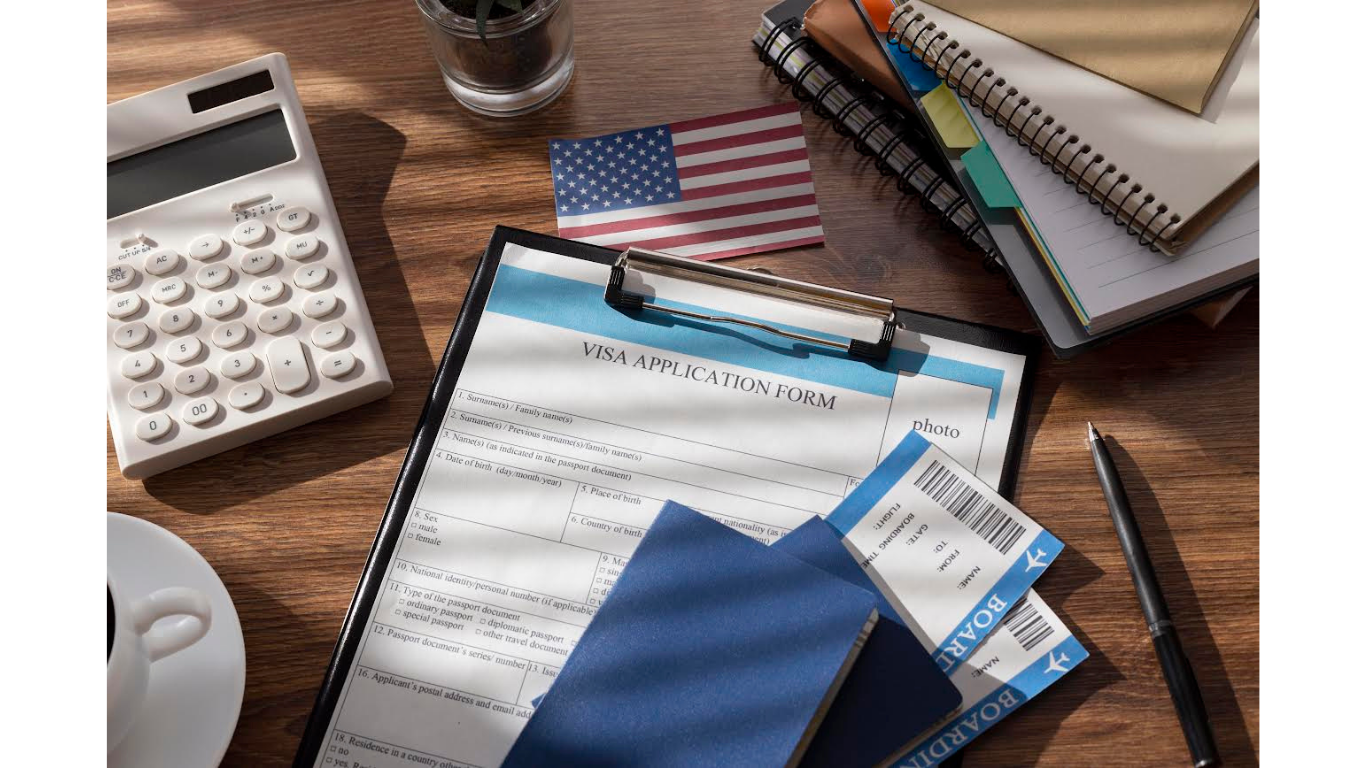
Living abroad means dealing with paperwork from more than one country. Most Americans overseas remember the obvious things, like keeping a passport valid or renewing a visa. Yet smaller documents, the ones tied to everyday travel or administrative records, often slip through the cracks.
You usually notice the problem only when something goes wrong. A rental car company refuses a license. An airline agent points out that your passport expires too soon. Or a government office tells you your residency permit lapsed last month.
None of these are dramatic on their own. Still, when several documents expire at once, travel and paperwork become unnecessarily complicated. A quick review once or twice a year can prevent a surprising amount of stress.
US Passport Validity
The US passport is still the most essential document for Americans abroad. Adult passports are generally valid for ten years, according to the U.S. Department of State. Ten years sounds like a long time, which is probably why people forget to check the expiration date until it is almost too late.
Another issue catches travelers off guard. Many countries require passports to remain valid for at least six months beyond the date of entry. Someone planning a summer trip might technically have a valid passport, yet still be refused boarding because it expires in November.
There is also a rule that sometimes surprises dual citizens. Under US law, Americans are expected to enter and leave the United States using a US passport. If yours expires while you are living overseas, the safest option is to renew it through a US embassy or consulate before traveling.
Dual Passports for Dual Citizens
A growing number of Americans abroad hold two passports. Sometimes it comes from marriage. Other times, it comes from ancestry or long-term residency in another country.
Managing two passports sounds simple, but it requires a bit of awareness. The United States expects its citizens to travel to the US using a US passport. Meanwhile, some countries expect their own citizens to enter using their local passport.
Imagine a dual US-UK citizen with an expired UK passport flying from New York to England. Under updated UK travel rules, a dual US-UK citizen generally cannot board a flight to the UK using only a US passport if they are a British citizen. Airlines expect dual nationals to travel with a valid UK passport, following guidance from the UK Home Office. If the UK passport is expired, boarding may be refused until it is renewed or replaced.
Keeping both passports current avoids those awkward moments at the airport counter.
Residence Permits and Long-Term Visas
Residency permits are easy to overlook because they are not always used in daily life. You might keep the card in a drawer and forget about it until renewal season.
Most countries require residence permits or long-term visas to be renewed periodically. Missing the renewal window can create problems that range from minor fines to losing your legal residency status.
Some countries also link residence permits to address registrations or employment records. Moving to a new apartment or changing jobs may require updating those details with local immigration authorities. It is administrative work, admittedly. Still, keeping records updated usually prevents bigger headaches later.
International Driving Permits and Local Driver’s Licenses
Driving abroad introduces another document that quietly expires: the International Driving Permit, often called an IDP.
These permits typically last one year and are meant to accompany your home driver’s license. Tourists use them often, but expats sometimes keep using an IDP long after it expires.
Eventually, most countries expect long-term residents to obtain a local driver’s license. Without one, renting a car or renewing insurance can become complicated. In places where public transportation is limited, that can quickly become inconvenient.
Trusted Traveler Programs and Entry Authorizations
Frequent travelers often rely on programs that speed up border crossings. One well-known example is Global Entry, managed by U.S. Customs and Border Protection. Membership allows pre-approved travelers to use automated kiosks when entering the United States.
The catch is that these memberships expire. When they do, travelers lose the faster immigration process until they renew the program.
Electronic travel authorizations are another thing people forget. Countries increasingly require them before boarding a flight. The United Kingdom, for instance, has begun introducing an ETA system, while the European Union plans to launch ETIAS in the near future. These approvals do not last forever, and they must be renewed periodically.
Financial and Tax Identification Records
Travel documents are not the only records that need occasional updates. Financial and tax information matters as well.
Americans living abroad still interact with the Internal Revenue Service, even if they have not lived in the United States for years. Keeping your mailing address and contact information updated can prevent missed notices or delayed refunds.
This becomes especially relevant for expats with foreign bank accounts or international investments. Banks sometimes request updated identification documents or tax residency details. Ignoring those requests can temporarily restrict access to accounts, which is never convenient when you are living abroad.
Managing Paperwork While Living Abroad
Managing documents from multiple countries can feel tedious. Yet most of the problems expats encounter, expired permits, outdated records, forgotten renewals, are surprisingly predictable.
A simple yearly review of travel documents, residency papers, and financial records often keeps things running smoothly.
For Americans abroad who also need guidance with their US tax obligations, support is available. Expat Tax Online works with US citizens around the world to help them stay compliant with IRS filing requirements while living overseas.
Article received via email