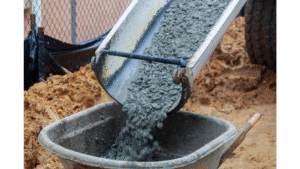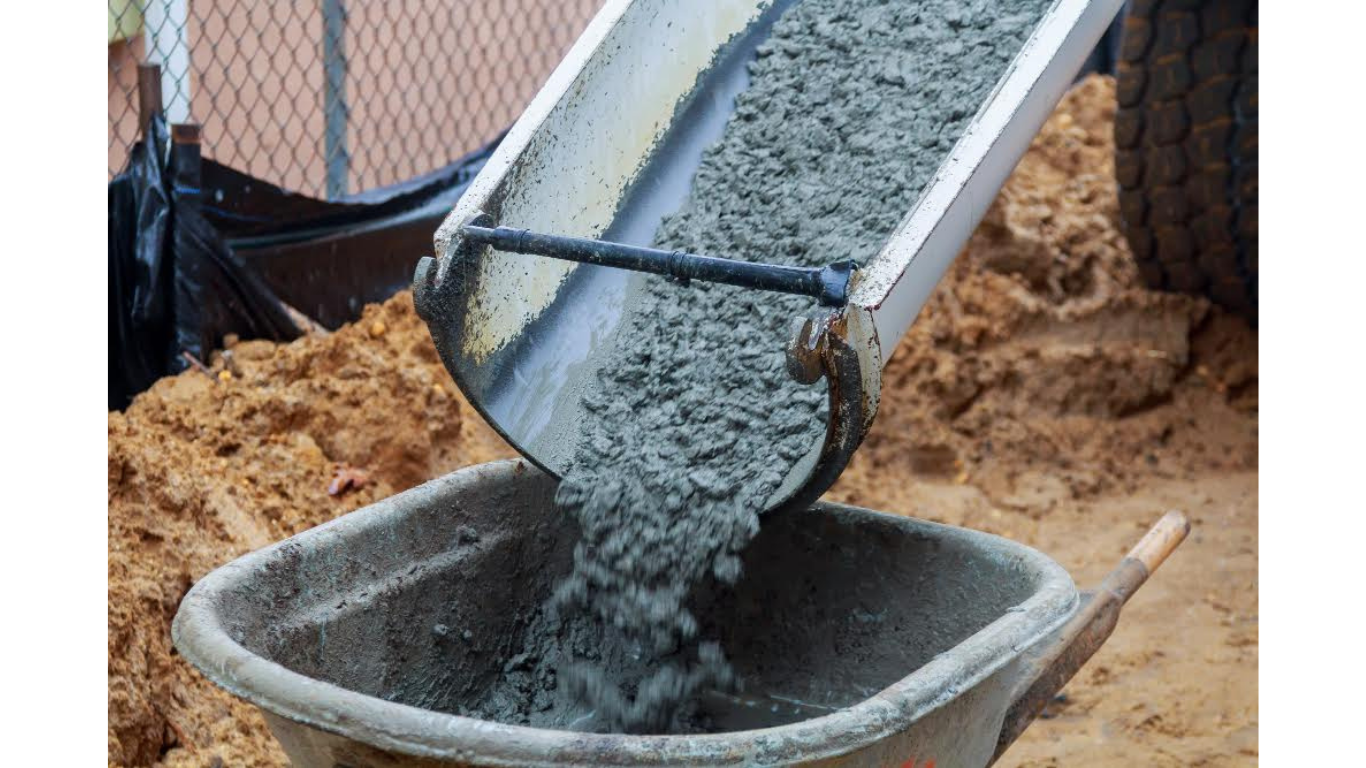
Cement is one of the key building blocks for a lot of construction. Its price can more or less resonate with altering infrastructure projects, budgets, schedules, and planning. Project results are directly correlated with tariffs on imported cement. By studying the impacts of these trade measures, communities and stakeholders can prepare for obstacles and explore workable options.
Rising Costs for Construction
Cement tariffs affecting construction budgets are not a new concept. Tariffs on cement periodically increase the cost of imported material. Infrastructure projects requiring a consistent cheap supply of construction materials may run over budget when tariffs drive up costs. These extra costs can make project managers rethink their budgets. If the price goes up, the increase could create a funding gap that will need to be supplemented by public or private investors.
Budget Adjustments and Delays
Higher cement prices also mean that there needs to be resourcing of capital. Project leaders should audit every line item in their budgets. Other necessary supplies or labor might be squeezed, leading to potential shortages that could further delay project completion. Projects are sometimes suspended until extra funds are acquired. Significant delays can significantly impact timelines, potentially determining whether a community receives a new road, bridge, or school.
Consequences for SME Contractors
Smaller contractors don’t have the financial leeway to cope with price jumps. Tariffs only exacerbate this pressure by increasing the cost of producing cement. The result makes it harder for some firms to vie for big infrastructure contracts. This can limit the range of contractors that are available, as larger companies can capitalize on this and monopolize the work. These factors may result in smaller businesses losing out on growth opportunities.
Supply Chain Disruptions
Tariffs can disrupt established supply chains by limiting sources of imported cement. Suppliers may need to find new partners or change distribution strategies. These adjustments often take time and may introduce delays. Supply chain realignments can lead to uneven delivery schedules, making it harder for project coordinators to plan with confidence. Timely access to raw materials is essential for smooth progress.
Quality Concerns and Alternatives
Higher tariffs lead to increased prices, and so some builders turn to alternative products or less expensive substitutes. If the materials don’t meet the required standards, the quality may suffer. Used cement is inferior and will undermine the safety and durability of end structures. Cost savings have a way of disappearing if the short-term savings wind up being an unreliable long-term choice, so project managers have difficult decisions to make.
Wider Economic Effects
Higher building costs can have a broader impact than just single projects. Infrastructure investments financed through public spending on the development of it create job opportunities and encourage the growth of the economy. Higher costs as a result of tariffs could deter some projects from moving forward. This streamlining can result in less job creation and less funding for transportation, utilities, or public infrastructure. Development in the communities takes more time, and progress emerges less.
Incentives for Domestic Production
Like tariffs, they often stimulate production in-country. Reduced competition may favour local cement manufacturers. This initiative can generate employment and attract investment, but it may restrict options for customers. If infrastructure initiatives generate rapid expansion, domestic suppliers are unlikely to satisfy all demand. Sustainable planning is necessary to balance local production and import needs.
Environmental Considerations
This process contributes significantly to carbon emissions from cement manufacturing. Tariffs shift supply domestically, influencing environmental measures and subjecting products to local regulations. Communities must balance sustainable practices with secure supply. Conversations around cleaner production and responsible sourcing continue..
Policy Choices and Long-Term Planning
Governments set tariffs to protect industries or respond to international trade dynamics. These decisions have lasting consequences for infrastructure projects. Policymakers must weigh economic goals, industry health, and public needs. Clear communication helps everyone involved prepare for changes and minimize disruptions. Sound policies can support both construction progress and national interests.
Conclusion
Cement tariffs influence costs and processes in infrastructure development. They affect budget planning and environmental considerations. Understanding these impacts helps communities prepare and develop strategies to reduce financial strain and ensure compliance. Effective management and policy remain essential for future growth and reliability.
Article received via email