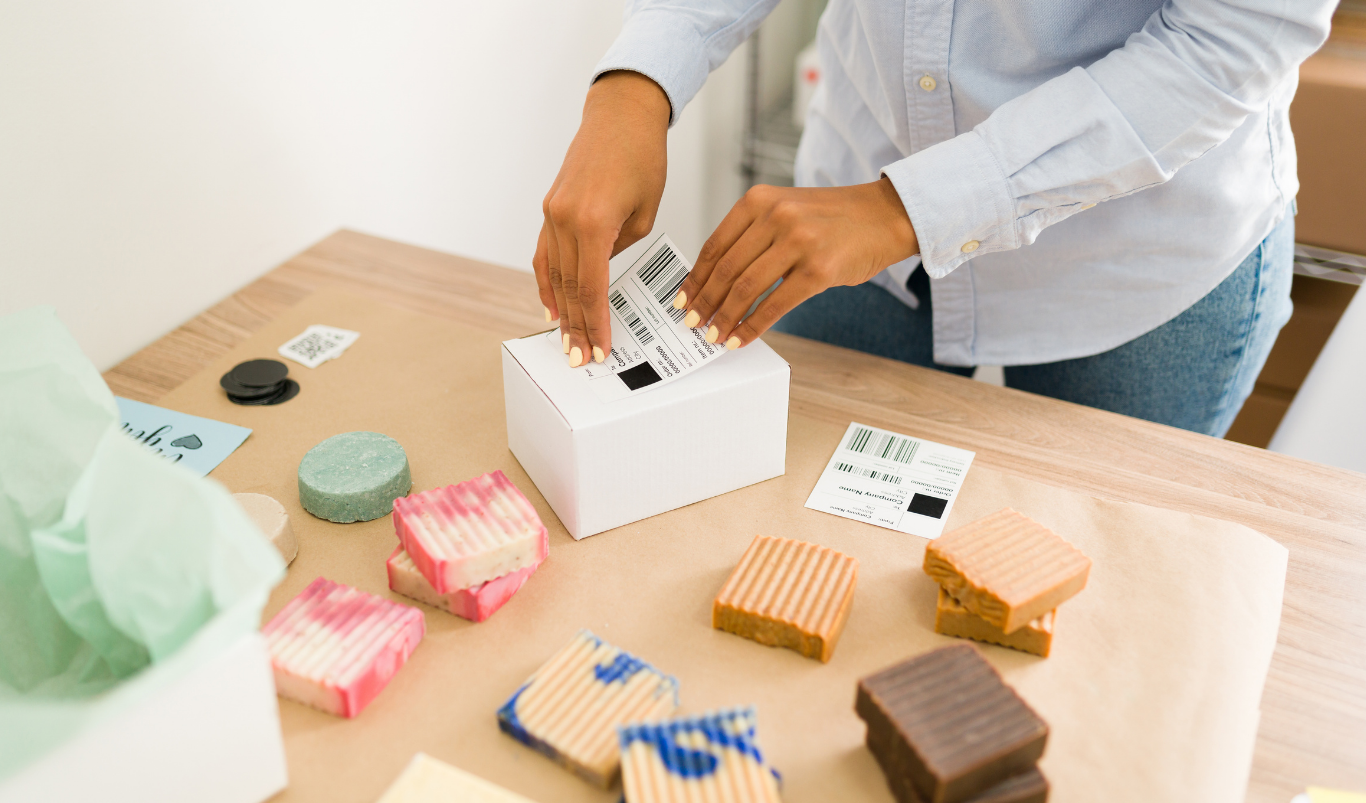
Brand recognition often begins before anyone reads a claim, checks a price, or handles a package. A bottle, mailer, jar, or carton sends signals through finish, color, spacing, and print quality. Those cues shape trust quickly. Custom printed labels offer a practical way to sharpen that first impression without replacing every container. For growing businesses, that small format can improve consistency, reduce waste, and strengthen recall with limited disruption.
First Glance Value
Shelf appeal is often decided in seconds, long before ingredients or specifications receive attention. In that brief scan, color contrast, legible type, and orderly spacing guide perception, can bring those elements together across cartons, sample packs, promotional inserts, and shipping materials. That kind of visual order that custom-printed labels and stickers provide helps products appear dependable, well-cared-for, and easier to recognize on repeat encounters.
Budget-Friendly Reach
Large branding changes often require new molds, revised packaging files, or high minimum orders. Labels reduce that burden. Existing bottles, boxes, and pouches can stay in use while presentation improves. That preserves usable stock and limits disposal. Smaller batches also allow teams to compare finishes, shapes, or graphics before making larger spending decisions.
Faster Than New Packaging
Time affects every campaign, launch, and seasonal release. Replacing a full packaging system can involve many proofs, approval rounds, and production delays. Labels shorten that process because the base container usually remains unchanged. A business can respond to a promotion, ingredient update, or limited run with less interruption. That speed supports clearer execution when schedules are tight.
Better Memory Signals
Recognition depends on repeated visual cues appearing in a stable pattern. A label helps reinforce that pattern through color use, logo placement, type style, and concise wording. Repetition across product sizes supports stronger memory after purchase. Mailers and event samples also benefit. Familiar design signals make later encounters feel easier to place and more trustworthy.
Small Runs, Less Risk
Testing Without Waste
New items often reach the market with uncertain demand, so low-risk presentation matters. Labels support short runs without requiring thousands of permanent containers. That makes regional pilots, event bundles, and online exclusives easier to manage. If response shifts, artwork can change quickly. Businesses learn which visual choices drive higher pickup rates without incurring unnecessary packaging costs.
Useful Across Industries
Labels serve far more than retail shelves. Clinics use them on supplement bottles, intake folders, and sample kits. Food companies place them on jars, bakery cartons, and prepared meals. Service firms add them to envelopes, thank-you cards, and document packets. Because they adapt to many surfaces, a single visual identity can carry through sales, shipping, and outreach materials.
Clear Information Matters
Effective labeling improves understanding as well as appearance. Buyers need ingredients, directions, warnings, and storage details they can read quickly. Clear layouts, readable text, and strong contrast build confidence, especially for wellness-related products.
Seasonal Updates Made Simple
Short campaigns often need temporary packaging changes that do not justify a complete redesign. Labels handle those shifts efficiently. Businesses can add holiday messaging, limited flavors, awareness themes, or event details for a short period. Afterward, another run restores the standard presentation. This approach keeps materials current without disrupting normal inventory flow.
Finish Affects Perception
Material choice changes how packaging feels before a customer uses the product. Matte stock can suggest softness. Gloss surfaces reflect more light and make color appear brighter. Waterproof material suits goods handled in kitchens, gyms, or bathrooms. Textured paper may add warmth to handmade items. Those tactile cues shape value judgments while leaving the container unchanged.
Operations Stay Flexible
Branding should support workflow rather than complicate production. Labels are simple to store, apply, and revise during routine packing. That helps small teams adjust without major equipment changes. Batch updates can carry revised formulas, scent names, or compliance details with less friction. The result is a practical branding tool useful during daily operations.
Conclusion
For businesses seeking a visible upgrade, custom printed labels are one of the simplest solutions available. They improve recognition, support readability, and make packaging feel more intentional without requiring a full redesign. Their value lies in flexibility and lower cost. Whether used on retail products, sample kits, or shipping materials, labels reinforce brand identity through details customers notice immediately.
Article received via email