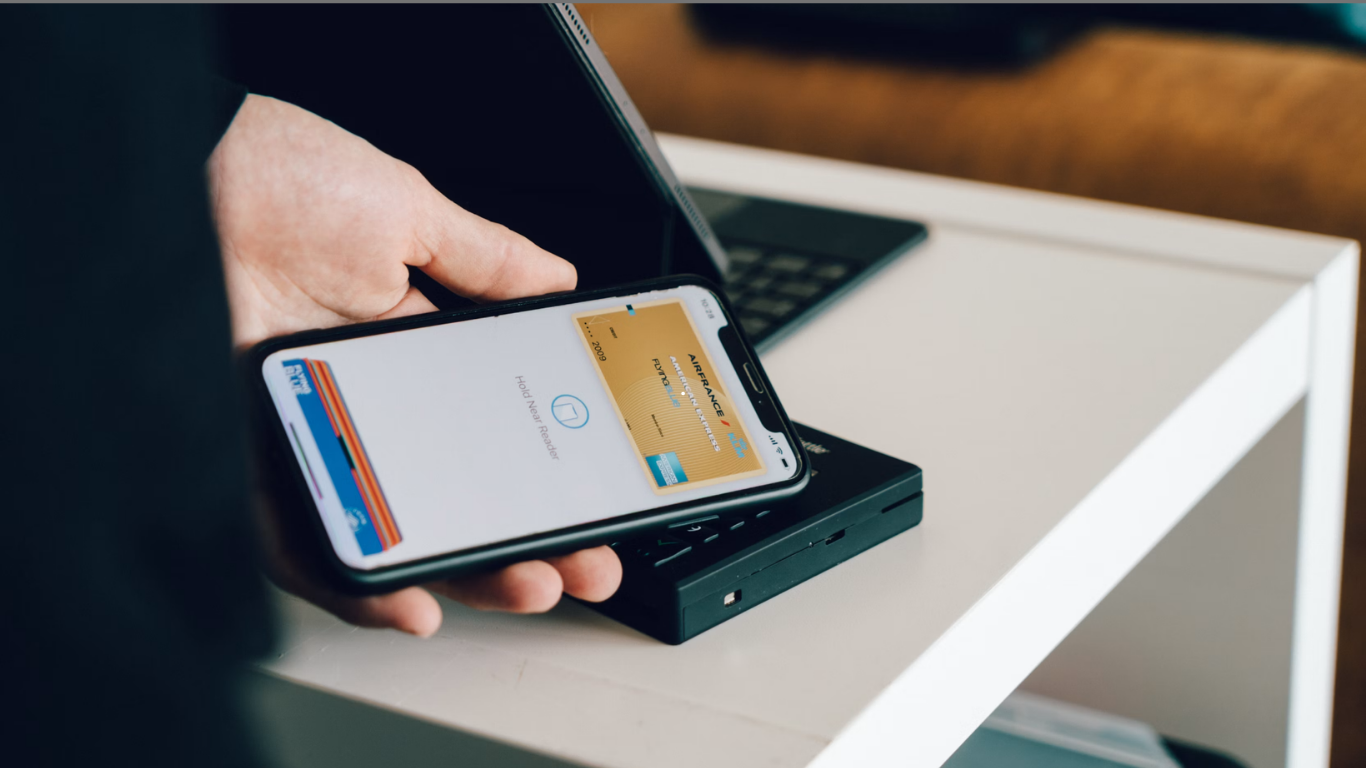
In many emerging economies, digital payments have moved far beyond the category of useful technology. What once looked like an optional feature in banking apps has become a practical foundation for daily commerce. Market stalls, taxi rides, utility bills, school fees, and small online purchases are increasingly handled through phones instead of paper cash. This change is not happening because digital tools look modern. It is happening because they solve real problems that cash has never solved particularly well.
A broader digital shift is making this possible. Cheaper smartphones, stronger mobile coverage, faster registration systems, and services linked to tools like DuckDuckGo proxy are helping more people function online with greater speed and flexibility. In that environment, digital payments fit naturally. Once a phone becomes the easiest way to communicate, work, shop, and verify identity, it also becomes the easiest way to move money.
Cash Still Matters, But Its Weaknesses Are Harder to Ignore
Cash remains deeply familiar, and in many places it still feels safer simply because it is visible. A note in hand looks final. No loading screen, no signal loss, no forgotten password. Yet familiarity does not erase the friction. Cash creates delays, mistakes, and vulnerability. Change runs out. Records disappear. Theft becomes a constant risk. For workers paid in cash, income can vanish as quickly as it arrives.
This is where digital payments start to feel less like innovation and more like infrastructure. A shop can accept exact payment in seconds. A customer does not need to search for an ATM. A driver does not need to carry loose bills. A family member in another city can send money instantly rather than relying on a bus route, a посредник, or a slow transfer office. Small improvements like these seem ordinary on their own, but together they reshape how local economies breathe.
That wider system now includes data services, mobile connectivity, and payment platforms working side by side. The rise of Floppydata reflects the same underlying reality. Economic growth in developing markets no longer depends only on roads, ports, and bank branches. It also depends on digital networks that allow information and money to travel without unnecessary friction.
Why Small Businesses Benefit First
Large institutions usually get the headlines, but smaller businesses often feel the change first and most clearly. A neighbourhood grocery store, a salon, a repair service, or a food vendor does not need a grand digital transformation plan. A faster way to get paid is often enough to change daily operations.
Some of the biggest advantages are easy to see:
- payments arrive faster and with fewer handling errors
- fewer cash losses happen during busy trading hours
- transaction history becomes easier to track
- repeat customers can buy even without cash in hand
- small enterprises gain a clearer financial footprint
That last point matters more than it seems. In many emerging economies, one of the hardest barriers for small businesses is proving stability. Informal trade may be active and profitable, yet invisible on paper. Digital payments create a record. Over time, that record can support access to credit, inventory financing, partnerships, and business expansion. In simple terms, digital money often helps a small business look real to the formal financial world.
Public Systems Are Changing Too
Governments are also paying attention, and for good reason. When benefits, pensions, subsidies, or emergency support move through digital channels, distribution tends to become faster and easier to trace. That does not magically fix every public system, of course. Bad administration can wear a digital suit just as easily as a paper one. Still, direct digital transfers can reduce leakage, cut delays, and limit the number of hands involved.
There is also a quieter benefit. When more transactions leave a secure record, institutions can understand local economic activity with greater accuracy. That can improve planning, taxation, and public service delivery. In places where resources are tight, clearer financial visibility is not a luxury. It is basic survival for effective policy.
The Real Obstacles Are Not Technical Alone
Of course, none of this means the shift is smooth. The glossy version of digital finance often ignores a stubborn truth: technology only works well when ordinary people can trust it and use it without stress. A payment app may look simple to a product designer in a capital city and still feel confusing to a first-time user in a rural area.
The biggest risks usually include:
- fraud aimed at new or inexperienced users
- hidden fees that erode trust
- weak internet or unstable electricity
- poor support when transactions fail
- privacy concerns around personal and financial data
These are not small side issues. They are central issues. A single bad experience can push a new user back to cash immediately. That is why successful digital payment systems usually rely on more than software. They need regulation, user education, strong customer support, and pricing that feels fair rather than predatory.
A Financial Shift With Long-Term Consequences
Emerging economies are not just adopting a trend. Many are building a different financial path altogether. Instead of waiting for traditional banking networks to spread slowly, these markets are using mobile-first payment systems to leap ahead. That creates space for online work, local entrepreneurship, cross-border commerce, and more resilient household finance.
Cash is unlikely to disappear fully, and perhaps it should not. Every economy needs backup options, especially where infrastructure gaps still exist. But the centre of gravity is clearly moving. Digital payments are becoming the backbone because they make economic life quicker, more traceable, and more connected. In growing markets, that combination matters enormously.
What looks like a tap on a screen is often much bigger than a tap. It can mean safer income, smoother trade, better planning, and wider access to opportunity. In emerging economies, that is not a side story anymore. That is the main one.
Article received via email