Glass is now more than ever used for windows and cups. It is employed in industry for touchscreens, vehicle windshields, energy-saving panels in buildings, sterile pharmaceutical containers, and more. As product specifications become more stringent in every sector. Now manufacturers can no longer rely on manual methods that leave too much room for error. The need for a more precise and automated approach is required to meet tolerances, protect the workers, and have materials work under extreme conditions.
Here’s where purpose-built machines earn their keep on the factory floor. Automated glass processing equipment offers the microscopic precision needed to cut, grind, temper, and inspect glass on a large scale, transforming raw sheets into components that conform to exacting federal and industry standards. The first step toward a more competitive production line for manufacturers considering an investment or an upgrade is to know what this technology does and why it matters.
Major Industries That Depend on Glass Processing
Advanced glass processing is important to many industries, and each of these has its own particular requirements for the equipment used. The most significant ones are:
- Automotive: Federal safety regulations specify that windshields and sunroofs are to be accurate. They are also to be tempered or laminated glass that is shatter-resistant. Precision processing guarantees that all panels behave as they should in the event of a collision. It remains in shape even after it has been constantly vibrated and exposed to temperature variations on the road.
- Construction: Insulated, coated, or low-emissivity glass demands precise cutting, drilling, and tempering. These processes increase the performance of buildings, lower their heating and cooling bills, and help meet the market demand for green commercial buildings.
- Electronics: Glass is used in smartphones, tablets, and display manufacturing, and it must possess a low defect count and be very thin. At this size, there is no margin for error. And automated inspection is essential, as any tiny defect can spoil a completed screen.
- Packaging: Glass processing lines to manufacture sanitary and non-contaminating items. They are used in airtight containers for food, beverage, and pharmaceutical companies. Uniform wall thicknesses and clean sealing surfaces guarantee product integrity. And they ensure that each batch complies with stringent hygiene rules.
Main Benefits of Glass Processing Equipment
The benefits of the right equipment, however, go beyond those specific to any industry; they can impact quality, cost, and long-term compliance.
- Precision and Quality Control: Computer Numerical Control (CNC) machinery cuts and grinds. These forms of glass have tolerances of a few microns. Early detection in automated inspection systems prevents defective materials from continuing down the line. This constantly lowers material waste.
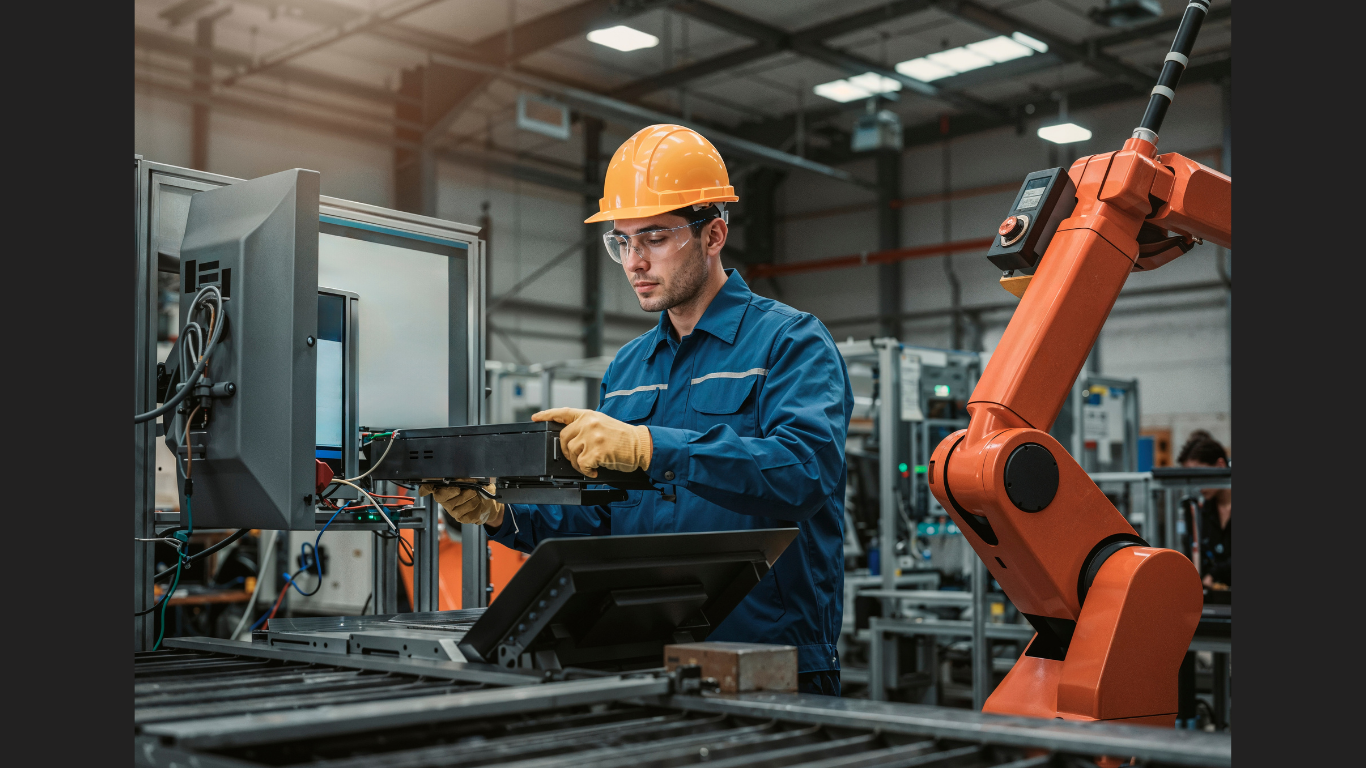
- Better Worker Safety: Handling heavy, sharp glass can create injuries. These systems improve worker safety and enable facilities to comply with increasingly stringent OSHA guidelines. They avoid expensive downtime caused by employee injury.
- Durability and Strength: The tempering or laminating process affects the physical qualities of glass. This process gives the finished product strength that can withstand impacts, vibrations, and severe temperature changes that would break ordinary glass. This process implies that treated glass can be used for highly demanding applications that cannot be achieved with regular glass.
- Energy Efficiency: Tempering furnaces are designed to use a sophisticated heating and cooling method to minimize power usage and maintain a constant output. Manufacturers can also consult federal guidance on energy efficiency to understand the performance standards that their products are expected to meet.
- Glass Waste Reduction: Computer-controlled cutting tables enhance layout efficiency, minimize scrap, lower material costs, and boost manufacturing profitability.
Selecting the Right Setup for Your Operation
No single machine fits all plants. An automotive windshield producer has different needs than a pharmaceutical packager or a builder sourcing coated panels. Match your equipment to the glass type, tolerances, and volume before committing. Consider future capacity, as systems that meet current demand can become bottlenecks as orders rise.
Consulting an equipment specialist before purchase can prevent unnecessary costs and expedite full production. Choosing the right technology helps avoid rework and downtime from not meeting regulatory or customer specifications on the first run.
Conclusion
It is no longer a luxury item for manufacturing to have glass processing equipment; it is a necessity that helps control quality, manufacturing safety, and cost. With smaller tolerances and the need for higher-performing glass, it’s time to put the right automated line in place to keep a facility efficient, compliant, and optimized for the market.
Article received via email