Building exteriors are in a slow fight with weather, gravity, and time. When owners skip routine care, small issues grow into leaks, rot, and safety problems that are far more expensive than basic upkeep.
Deferred maintenance tends to hide until it shows up as interior damage. Water finds seams, pests follow, and fasteners loosen. What could have been a quick fix becomes a multi-trade repair with scaffolding, permits, and schedule delays.
Weather And UV Are Hard On Materials
Sunlight, heat, water, and wind each stress the shell in different ways. Sealants dry and crack, coatings chalk and thin, and fasteners back out under repeated movement.
Simple seasonal checks help you catch those stress points before they spread across a wall or roof. If you manage wood elements, plan targeted inspections of shingles, trim, and soffits – and weave in trusted cedar shake advice when you adjust cleaning and re-coating schedules. This keeps small surface wear from turning into soft spots or missing pieces.
It extends the life of any neighboring gutters, flashings, and vents.
Routine Inspections Catch Small Problems
Periodic façade reviews are not just a best practice. Municipal programs show why cadence matters, with requirements that large buildings have exterior walls reviewed on a predictable cycle.
That kind of structure highlights a simple truth for any property size: a scheduled look from the ground, from a lift, and from the interior will reveal cracks, loose sealant, staining, and displaced elements before they fail.
A recent city safety framework highlights the value of five-year inspection intervals for taller structures, reminding owners that exterior walls and attachments need expert attention to stay safe.
Cleaning And Sealants Extend Service Life
Dirt is not just cosmetic. Dust, soot, and biological growth hold water against surfaces and hide hairline cracks.
A gentle rinse and soft-bristle scrub take off that film and make defects easy to spot. After cleaning, joints and penetrations deserve a close look so you can re-tool failing caulk and backer.
Laboratory and field research from a national standards group points out that sealant performance changes with UV, temperature, water, and mechanical loading.
Translating that to the field means you should budget for periodic resealing of high-movement joints, check shaded and sun-baked sides differently, and confirm that product choices match the exposure.
Siding, Paint, And Wood Considerations
Each cladding type ages in its own way. Fiber cement resists rot but still needs washing and occasional touch-ups at cut edges.
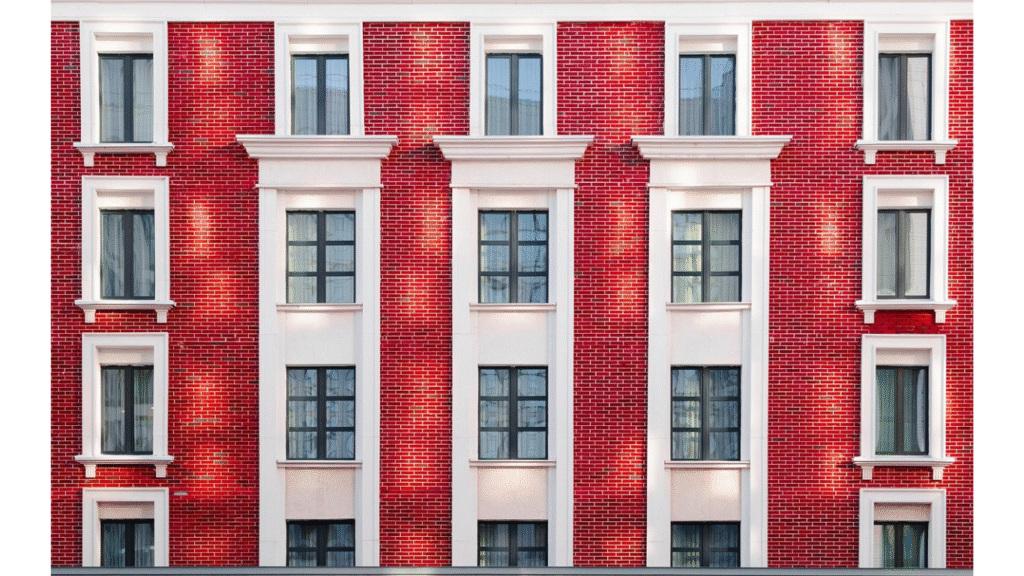
Vinyl sheds water well, and loose panels invite wind damage and trapped water. Brick weathers gracefully, but failed mortar and clogged weeps create hidden pressure and leaks.
Keep vegetation trimmed back to promote airflow, maintain clearances above grade, and refresh protective coatings before they fail.
For roofs and wall accents alike, early maintenance keeps fasteners seated, prevents cupping or curling, and prolongs the time between major refurbishments.
Data-Driven Maintenance Planning
Track locations, photos, products used, time, and dates. You will see patterns in where sealant fails, which elevations collect grime fastest, and how long coatings last in full sun versus shade.
Use that record to right-size your budgets. Group similar tasks by elevation so you rent lifts once, bundle resealing with minor flashing fixes, and order materials in efficient quantities.
Planning this way reduces mobilizations, keeps warranties intact, and spreads costs steadily rather than in spikes.
- Set seasonal checklists by elevation and material
- Photograph trouble spots from the same vantage points on each visit
- Note joint movement and choose sealants accordingly
- Rinse, then inspect, then repair in that order
- Bundle lift access with multiple small tasks
- Revisit previous repairs at 6 and 12 months
Smart Scheduling And Safety
Think like the weather. Schedule washing and resealing after pollen season but before peak heat, and plan painting when nights are warm enough for proper curing. In cold climates, prioritize fall inspections so water is not trapped behind cladding before freeze-thaw cycles start.
Safety belongs in every plan. Tie-offs, barricades, and trained crews reduce risk as you work is underway. Public guidance for façade programs shows how regular, qualified inspections protect people on the ground and occupants inside.
Likewise, research programs that study sealants under UV, heat, and water confirm that materials have predictable lifespans when they are used and maintained correctly.
Property teams often find that small, steady investments beat big emergencies. With a basic cadence of cleaning, inspection, and touch-up, the exterior keeps doing its job quietly.
Your building looks better, performs better, and avoids surprise costs that tend to arrive at the worst time.
Article received via email