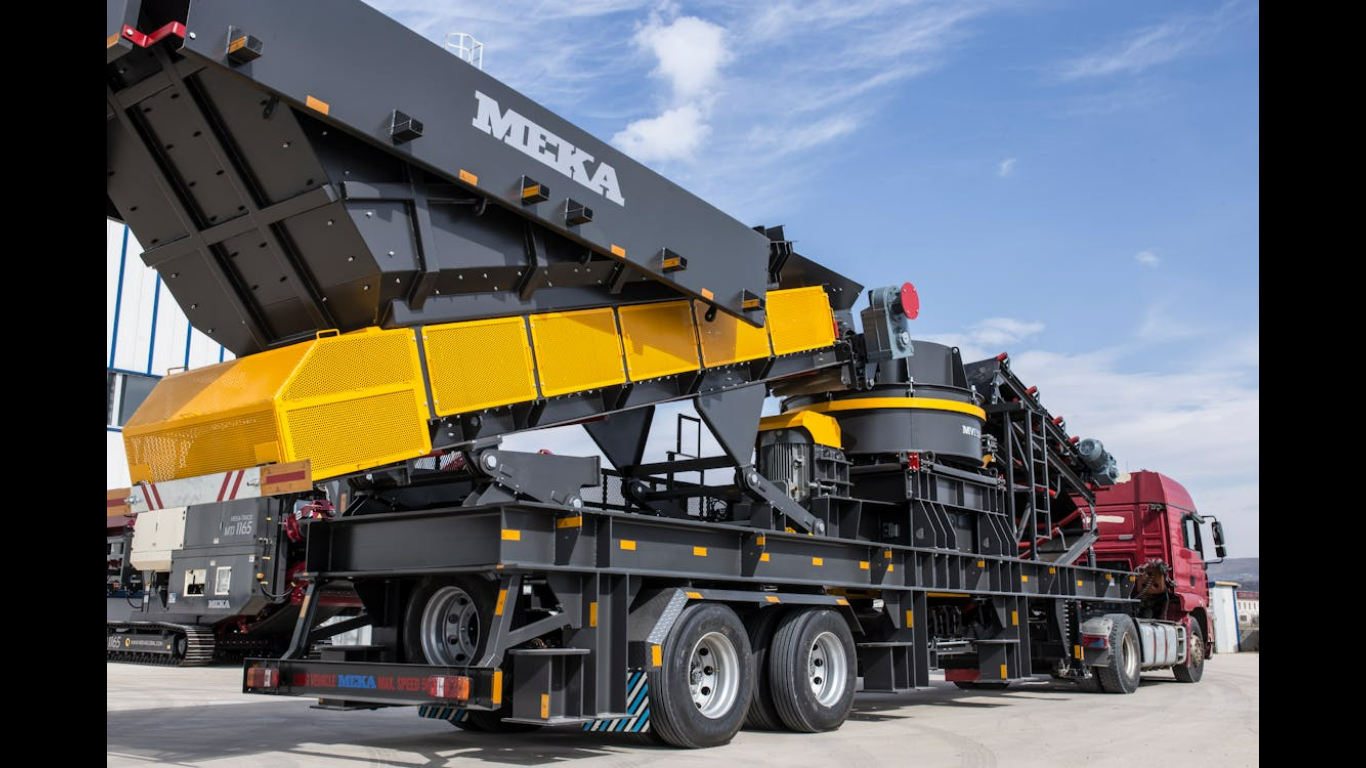
Moving a massive excavator, bulldozer, or wind turbine blade isn’t just about hooking up a big trailer and flooring it. These days, getting oversized stuff from one place to another takes a lot more than muscle. Think smarter tech, tighter rules, and the constant struggle to do more with less.
Real-Time Visibility and IoT Tracking
These days, heavy transport uses IoT sensors and GPS tracking that do way more than just ping a location. They monitor tire pressure, axle temperature, route changes, and even the angle of a load to help prevent tipping.
- Proactive alerts: Dispatchers get instant warnings if a truck leaves an approved route or vibration spikes, helping avoid bridge strikes or damaged cargo.
- Customer transparency: Clients can watch their million-dollar dozer creep down a highway in real time, cutting down on frantic “where’s it now?” emails.
- Data-driven planning: Past tracking data shows which roads cause delays or damage, making it easier to pick smarter routes for future hauls.
Master the Permitting Maze
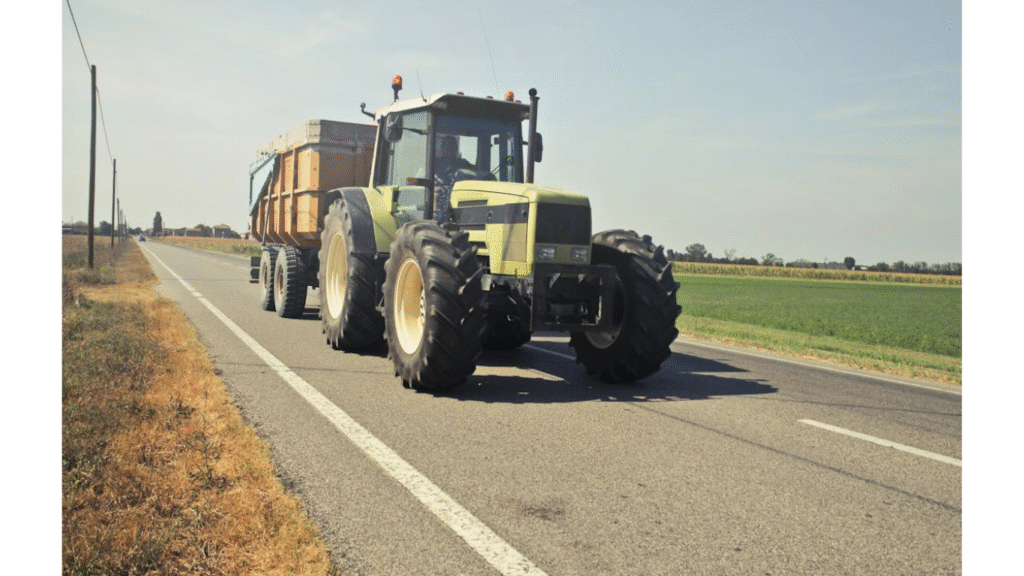
Nothing kills a tight schedule like a missing permit or an unexpected low bridge. The second major trend is a shift in mindset: consider towing your vehicle not as a last resort or a hassle but as the smoothest, most predictable stage of the entire move. That means putting serious effort into the behind-the-scenes work, permitting, road prep, and route engineering, so the actual tow becomes almost uneventful.
- Automated route engineering: Algorithms pre-clear routes by analyzing bridge heights, weight limits, seasonal road bans, and utility clearance.
- Digital permit management: Specialized software automates oversize load permits across multiple states or jurisdictions in hours instead of days.
- Coordinated escorts and surveys: Digital platforms book police escorts and pilot cars, while drone surveys check road shoulders and turning radii.
Greener Powertrains and Low-Emission Zones
Cities and even some highway corridors are rolling out low-emission zones that kick out older, dirtier trucks. So logistics providers are getting creative, finding greener ways to move massive loads without giving up an ounce of pulling power.
New electric terminal tractors and hybrid Class 8 trucks can handle short trips to rail depots or ports with zero tailpipe emissions. Then there are hydrogen fuel cell prototypes: several manufacturers are testing them right now, aiming for the same range and refueling speed that diesel drivers are used to. And when electricity isn’t an option, some carriers turn to carbon offset programs, investing in verified offsets so their clients can still hit their corporate sustainability goals.
Digital Freight Matching
Finding the right trailer, like a lowboy, step deck, RGN, and a driver with oversize experience used to take endless phone calls. Now, digital freight matching platforms connect shippers directly with specialized heavy transport carriers, kind of like Uber for massive machinery.
- Capacity discovery: Shippers post a load’s size, weight, and route limits; available carriers bid or accept right away.
- Asset-specific filters: Search only for 10-axle hydraulic modular trailers or drivers certified to handle wind turbine blades.
- Dynamic pricing: Real-time market rates replace vague “call for quote” pricing, encouraging fair competition and reasonable timelines.
Put it all together: smart sensors, cleaner engines, you name it, and heavy machinery logistics is finally getting its act together. The loads are still huge, the stakes are still scary, but the systems behind the scenes are finally catching up.
Article received via email