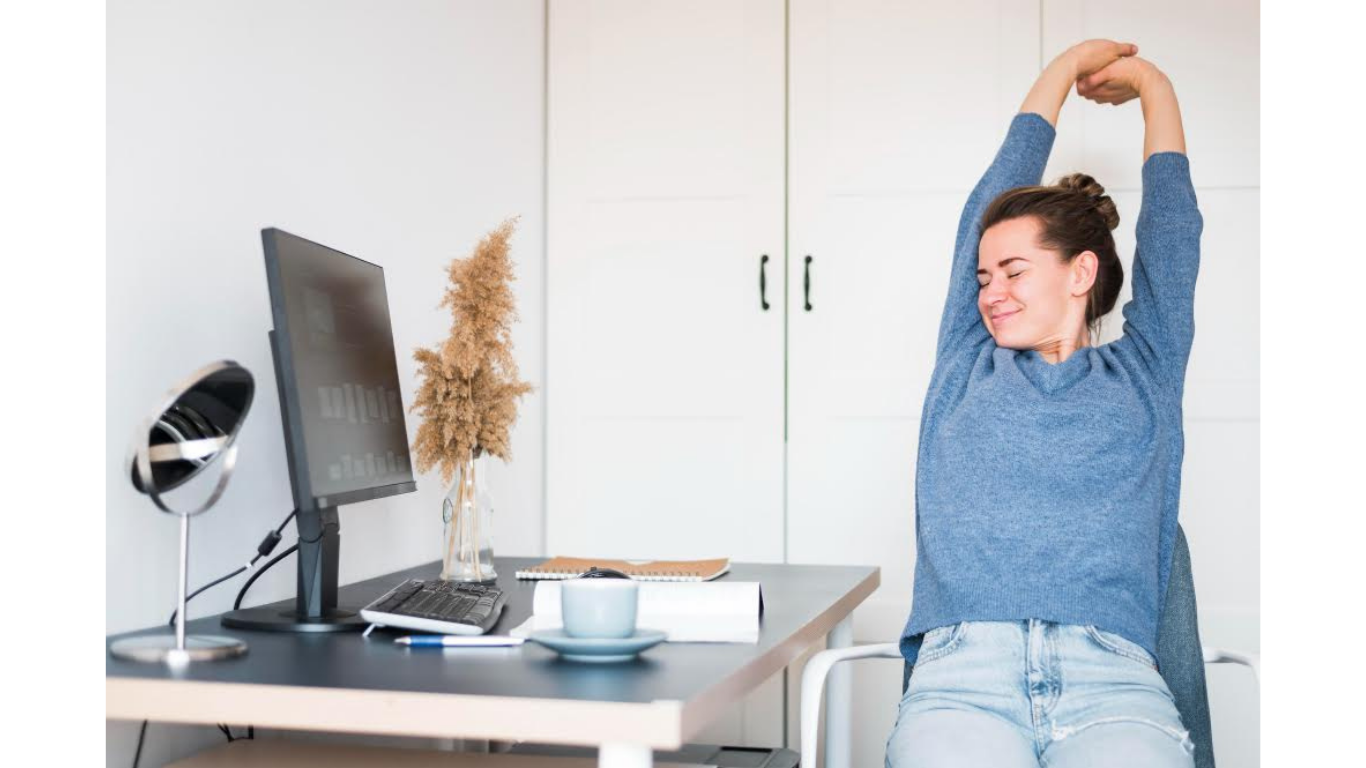
Most of us spend long hours sitting, be it at desks, in cars, on the sofa. It seems harmless, but sedentary habits could be quietly causing harm in ways you don’t realize. In this guide, we’ll look at the risks of sedentarianism and sitting still too often, and at what you can do to break this negative cycle.
Poor Posture and Muscular Weakness
Long periods of sitting, especially if you’re hunched over a screen, can weaken the muscles that support your back and neck. Sitting posture can also influence the hip flexors and glutes, causing them to become tight or weak, and leading to restricted range of motion and pain. Over time, this can become more than a minor annoyance, progressing into chronic stiffness, especially in your lower back or between the shoulder blades.
Higher Risk of Requiring Surgical Interventions
A sedentary routine increases the risk of long-term problems and changes of the spine, some of which may require surgical intervention. Years of poor posture and little movement can cause degenerative changes in the spinal discs and vertebrae.
Conditions like herniated discs, stenosis, or nerve impingement may develop without causing noticeable symptoms at first, but can eventually become severe enough that routine treatments no longer work. This can result in the need for complex surgical procedures, such as a corpectomy, where a section of the spine is removed to relieve pressure or repair damage. These highly specialized interventions can help improve function and reduce pain, but come with some risks that must be taken into account when trying to support your long-term health.
Reduced Circulation and Increased Clot Risk
When you stay still for hours, blood flow slows down. This can cause swollen feet and legs. More importantly, poor circulation increases your risk of dangerous blood clots, including deep vein thrombosis (DVT), especially during long flights or extended screen time without breaks.
Metabolic Slowdown and Weight Gain
Sitting burns far fewer calories than standing or moving. Your metabolism drops quickly, which means you use less blood sugar and fat. This is true even if you work out daily! Over time, this inactivity can lead to weight gain, higher cholesterol, and a greater risk of type 2 diabetes, all without dramatic changes to your diet.
Joint Stiffness and Back Problems
Sitting with poor support or in one position too long can affect joint health, increase inflammation and cartilage degeneration, and change movement patterns.
This is particularly important for your spine: when you sit for hours, pressure increases on the lower back and discs. Over time, without the right lifestyle improvements and exercises for back pain, these changes can lead to spinal issues as well as more systematic problems that negatively affect the entire body.
Worsened Mood and Focus
A sedentary lifestyle isn’t just bad for your body, it can also slowly affect your mental health. Lack of movement reduces endorphin production and increases stress. People who sit all day may report feeling more anxious, less energetic, or unfocused, even when well-rested. Research published in Nature magazine also shows that a sedentary behavior can increase the risk of depressive symptoms, reduced productivity, and increased distraction.
Takeaway: Small Steps to Reverse the Trend
The dangers of sitting still are real, but they’re not inevitable. Some lifestyle modifications can have a significant, positive impact. For instance, set reminders to stand up and stretch at least once an hour. Use a standing desk if possible, or add short walks or simple exercises to your day. By making these habits part of your routine, you can improve your physical health, keep your mind sharp, and lower your chances of facing serious health problems later on.
Article received via email