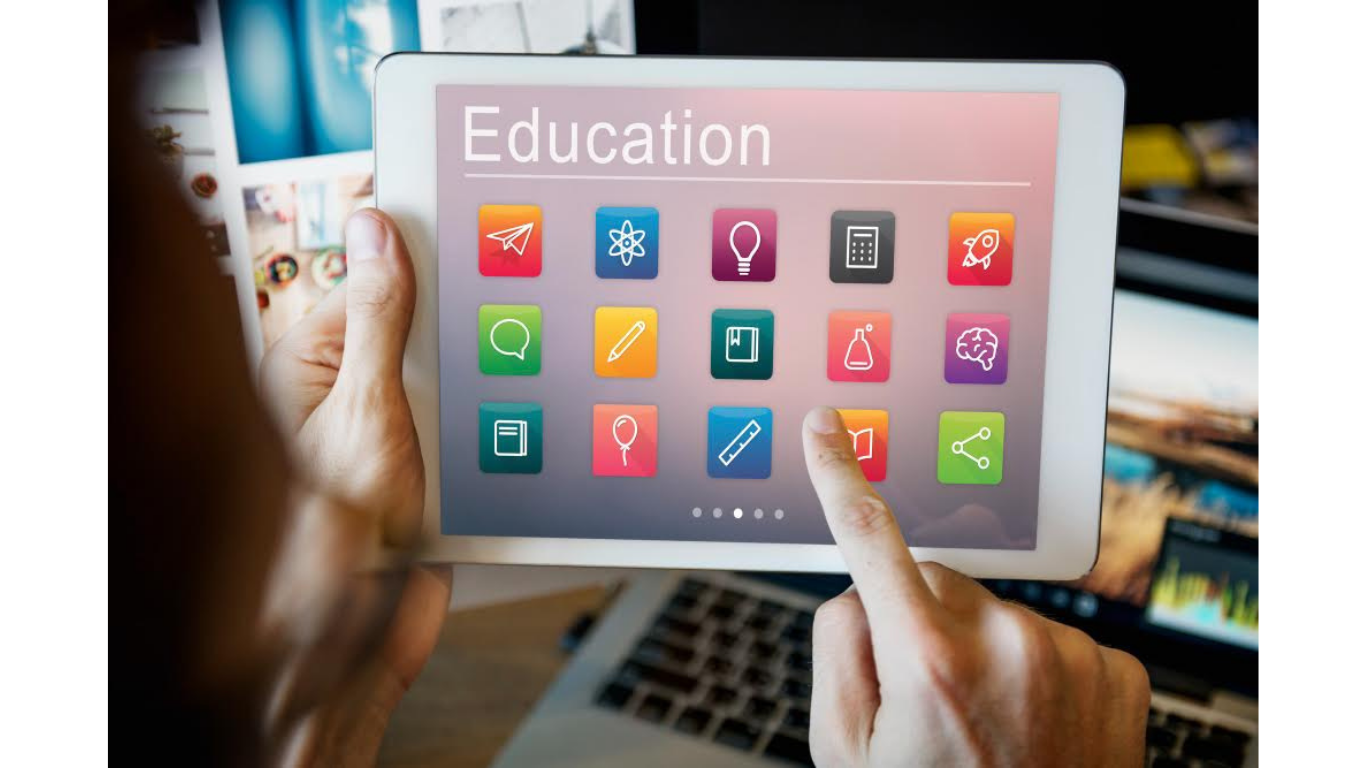
Organizations are increasingly adopting mobile learning due to their need for flexible training solutions. On-department tech training is meaningful with mobile technology, as it places immediate knowledge directly in front of the employees. This kind of approach means that staff complete training at the time and place that are most suited to them, making the training effective.
Flexibility for Modern Employees
Employees can complete training whenever they want and however they want with mobile training software. As a result, staff are not held up by any scheduled in-class slots. Instead, they can study during breaks or even on the go. This flexibility means employees can study while fulfilling their other obligations, resulting in higher levels of participation.
Personalization of Learning Experiences
Mobile learning offers numerous key benefits, and one of them is personalization. You can personalize the content based on the employee’s role, skill, or progress. The content provided to the learner aligns with their proficiency and becomes more challenging as they progress. Personalized feedback also enlivens the faculties to ensure greater learning outcomes.
Instant Access to Resources
Ready availability of the training material enables an employee to clear his/her doubts immediately when an issue crops up. A tutorial is a quick reference that is useful in the midst of work. This requires minimal removal from work contexts, reducing downtime and facilitating immediate application of learned knowledge. These steps will, in time, lead to ongoing improvement and consequent self-efficacy.
Interactive and Engaging Content
Mobile learning platforms provide videos, quizzes, and other forms of interactive tasks to maintain engagement. These features ensure that employees actively participate in and focus on their training. The points you earn there are for contributions, competing for badges, etc. Interactive approaches ensure better retention of information as compared to traditional methods.
Consistent Training Across Locations
Mobile platforms deliver training uniformly to members of staff working at multiple sites. It enables consistent high-quality content to be delivered to all the places for the employees, no matter where they are located. This consistency guarantees that learners receive the same instruction regardless of their physical location. Since you can provide new materials on a whim, you can also update at any time.
Supporting On-Demand Workforce Needs
Manpower or staff working unscheduled hours are usually part of an on-demand workforce. Mobile learning is a solution to these very needs with its flexible and self-powered course modules. All training is accessible to employees as needed. This flexibility results in maintaining the standards of a versatile workforce within the organization.
Real-Time Progress Tracking
Online tools often come with tracking tools and will track progress when employees hit the road with mobile platforms. Managers can see completion rates and identify where additional assistance is required. Employees can also view what they have achieved, thus reinforcing a feeling of success. Moreover, through real-time data, organizations can even measure the impact of training and adapt the programs as needed.
Cost-Effectiveness for Organizations
Traditional training can be expensive, needing venues, trainers, and materials. Mobile learning gives electronic-based content, which lowers such costs. This not only saves the organization the expense of traveling and lodging, but it also means that staff have a shorter time frame away from their roles.
Encouraging Continuous Learning
Development is important for the success of the business. There is a growing culture of learning across employees with mobile learning. Regular updates and new modules ensure that you never get bored with learning. This gives staff a chance to have a tool to expand without drastically shifting their entire baton.
Overcoming Barriers to Training
Holding the training in a classroom can make some employees feel left out. Online is a stress-free way of learning that reduces the anxiety level. It can be done privately at the learner’s own pace. It makes it accessible to more people, including those who steer away from the traditional style of teaching.
Conclusion
There are plenty of mobile learning benefits that help you train your workforce. It improves performance via flexibility, customization, and access to on-demand resources. This consistency in delivery, combined with real-time tracking, ensures that every organizational goal is met. Staff development can be easily done with mobile technology. This can translate into an impactful employee preparedness model that pays every business a dividend on it.
Article received via email