A property is a physical asset that needs constant care to hold its market price. Neglecting small leaks or peeling paint can result in expensive repairs later. Stay proactive to keep the workspace safe for employees and look great for visiting clients. Regular checkups on the structure can save thousands of dollars over a few years.
The Financial Weight Of Upkeep
Money spent on repairs is a large part of the yearly budget for most owners. Maintenance costs now take up about 23% of total business expenses. This amount is the second-highest cost after property taxes as of mid 2024.
Managers have to plan for these bills so they do not get surprised by a sudden failure. Set aside cash for regular service to stay financially healthy. High costs can be scary, but ignoring the work only makes the future price tag higher.
Strategic Planning For Long-Term Value
A solid plan keeps the building running without any downtime for the business. If you are investing in the roof, hire a reliable commercial roofing contractor so that the building remains weatherproof and safe for all occupants. Expert help can identify tiny cracks or leaks before they ruin the interior inventory or equipment.
Building owners who work with pros stay ahead of the weather. All these steps keep the structure strong for decades to come. Preventive care is far better than reacting to a flooded office or a collapsed ceiling.
Building Maintenance Return On Investment
Putting money into a property should always feel like a smart investment. Smart programs for property care can lead to an average return on investment of over 545%. A report from 2024 mentions that well-run programs save huge amounts of money.
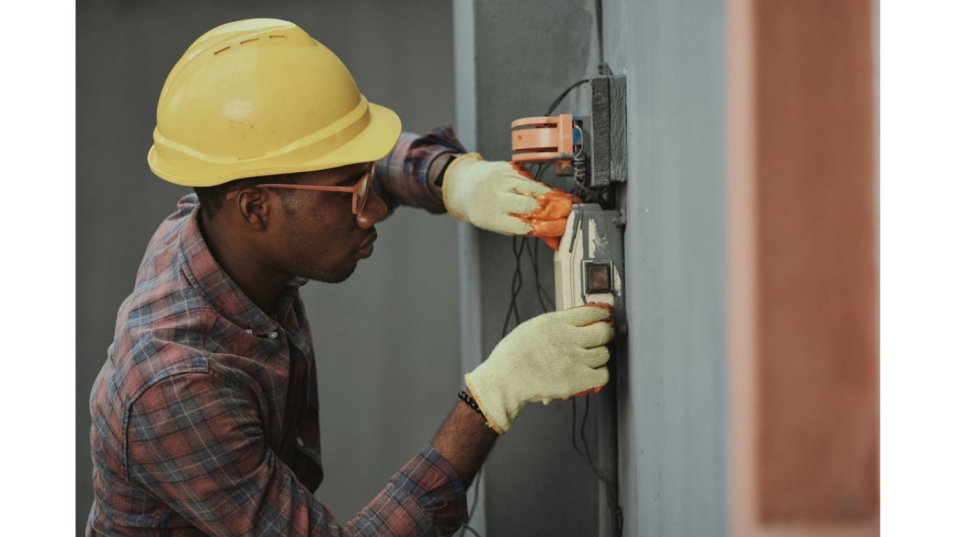
Every dollar put into fixing pipes or wiring can save $5 in emergency repairs. Keeping a high ROI means looking at the property as a financial tool.
Efficiency And Modern Systems
Heating and cooling keep a building comfortable and cheap to run. Research indicates that new construction in the HVAC sector is growing at a rate of nearly 7%. Replacing old units with modern tech lowers energy bills and keeps workers happy.
New systems use less power and work much harder than old models. They come with smart controls that let you adjust the air from a phone. Staying updated with the latest tech is a great way to lower monthly utility bills.
Exterior Preservation And Safety
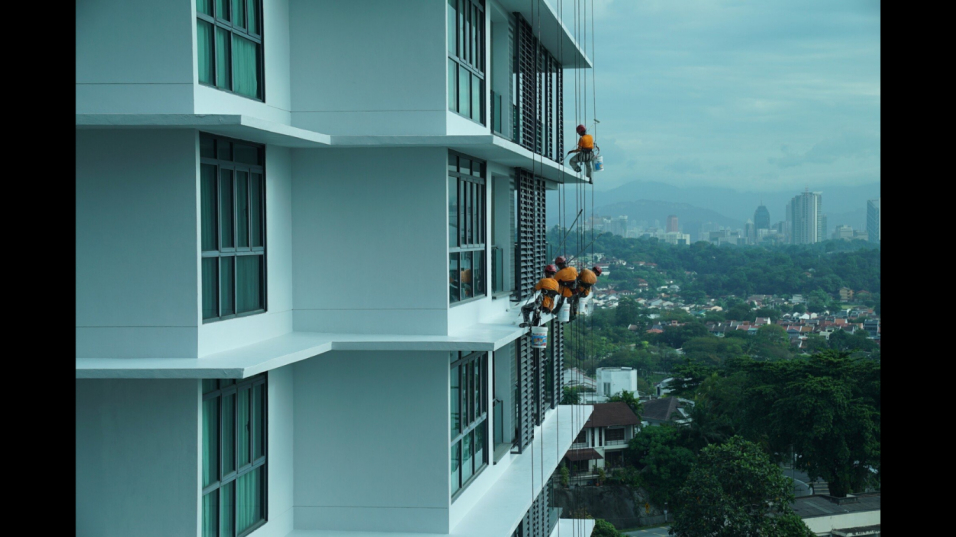
The outside of the building is the first thing people see when they arrive. Cracked sidewalks can result in trips or falls, which create legal headaches for the owner. Trim trees away from the roof to prevent branches from causing damage during a storm. Painting the walls every few years keeps the building looking fresh and new.
A clean exterior signals to the world that the business is doing well. It shows that the owner cares about the space and the people inside. Maintenance of the facade prevents water from seeping into the building frame.
Interior Upkeep And Tenant Satisfaction
A clean and dry interior is where the actual work happens every day. Any manager should check for mold or water damage in the walls. Here are a few ways to keep the inside of the building in top shape:
- Change air filters every 3 months to keep the air fresh.
- Inspect pipes for leaks to prevent water damage to carpets.
- Test smoke detectors and fire alarms once a month.
- Check window seals to keep the heat inside during winter.
Happy tenants will stay and pay rent on time. Good lighting and clean floors make the office a better place to spend 8 hours. Small fixes like tightening door handles make the building feel solid and well-managed.
Budgeting For Unforeseen Needs
Even with the best plan, something will break at the worst time. Having a rainy-day fund for the building prevents a total disaster. Small monthly savings can grow into a large pot of cash for emergencies. This fund can cover a broken water main or a shattered window after a storm.
No one wants to take out a high-interest loan for a new furnace in the middle of winter. Preparing for the unexpected is a mark of a wise business owner.
Owners who invest in their properties see better returns and fewer headaches as the years pass by. A well-maintained building stands as a sign of a strong and stable company. Focus on the small tasks today to enjoy a valuable and safe property for the long haul.
Article received via email