As the world increasingly moves towards a view that our world is precious and delicate and ought to be preserved as much as possible, there is one industry that, while making great strides, still seems to be left behind, using relatively outdated materials and methods.
Construction is an industry as old as human civilization, but unless something serves a utilitarian purpose, it seems as though it tends not to get adopted. But as more people and governments are now demanding new and updated processes to reduce the industry’s carbon footprint, they are utilizing new developments in materials science to help become more sustainable.
Environmental Benefits
Arguably, the top reason for opting for eco-friendly materials over conventional ones: the environmental advantages. The term “eco-friendly” can also interestingly apply to both new and reclaimed materials. For instance, if you use these reclaimed New York bricks, you not only reduce the energy and material impact of using newly crafted bricks for a project, but you also regain history that can be reinfused into newer buildings, making them far more appealing without the waste of choosing brand new bricks.
But the real advantage of choosing sustainable materials is that you reduce waste and conserve energy more efficiently:
- Reduced carbon footprint: Because reclaimed and eco-friendly materials require less energy to create and restore, the demand for massive amounts of energy, which are frequently generated by highly polluting sources, is significantly reduced.
- Resource conservation: The use of renewable materials allows for a more efficient use of natural resources that are easily replenished and have very little impact on the world.
- Biodiversity protection: Options like sustainable forestry make it possible to avoid the systematic destruction of natural habitats and ensure a consistent supply of the things required to construct new buildings.
Economic Advantages
Although the environmental benefits are an amazing perk of sourcing eco-friendly materials, there are also the inevitable economic advantages that all construction and manufacturing companies need to consider.
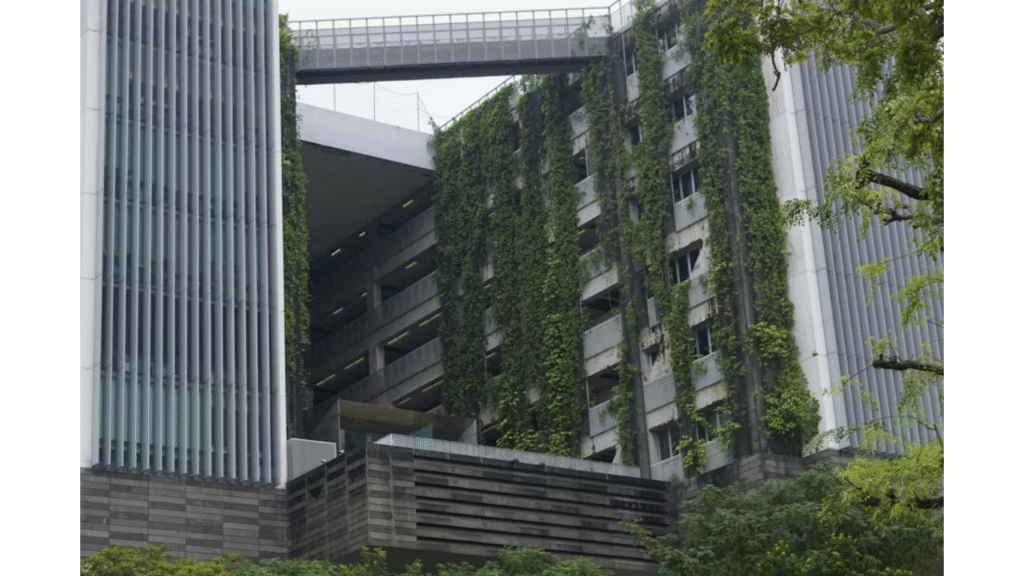
Fortunately, there are some pretty fantastic benefits attached to the use of such materials, ranging from increasing property values due to customers becoming more conscious about their impact on the world to tax incentives offered by some jurisdictions to entice the industry to switch to more sustainable practices. There is also the fact that certain materials gain their “eco” credentials from how they improve the energy efficiency of a house.
| Benefit | How it works | Impact level |
| Competitive advantage | Attracts environmentally focused clients who generally have higher budgets | High |
| Green certification | Projects with the correct certification often command premium fees | High |
| Marketing differentiation | Helps to stand out in crowded markets | Medium (depends on the market) |
| Government contracts | Many public projects tend to require sustainability standards during the tendering process | High |
| Tax credits and other incentives | Some jurisdictions offer direct rebates and lower tax burdens | Medium |
| Future-proofing | Construction companies can stay ahead of any future regulations | High |
Health And Indoor Air Quality Benefits
Eco- and sustainable building materials are either based on natural products that produce or emit very low levels of harmful byproducts or have been specifically designed as such. This reduction can be a substantial benefit for companies, as it can help reduce the liability they face from other products while simultaneously protecting those who will live and work in the completed building.
- Lower levels of toxic emissions: Low to zero Volatile Organic Compounds (VOCs) and other harmful materials mean that it is less likely that construction workers and occupants will become sick.
- Improved indoor air environment: Many eco-friendly materials are designed to allow for better indoor air quality via natural moisture regulation and enhanced thermal comfort for either hot or cold climates.
- Allergy reduction: Because many of these materials occur naturally or are pre-designed to be hypoallergenic by default, they are better suited to the growing number of allergy sufferers.
Practical Considerations For Implementation
Although eco-friendly options have enormous upside benefits, there are practical considerations a construction company must bear in mind. For instance, these materials can cost more than their less sustainable alternatives.
While this isn’t always the case (and can actually be the converse in some cases), it might add to overall costs without seeing the economic advantages discussed earlier. It can also be that the use of these materials requires specialized training that isn’t available in your location.
Eco-friendly materials offer a wide gamut of advantages over their old-school counterparts. As long as you can justify the higher upfront costs, you will usually discover several positive outcomes that come with their use.
Article received via email