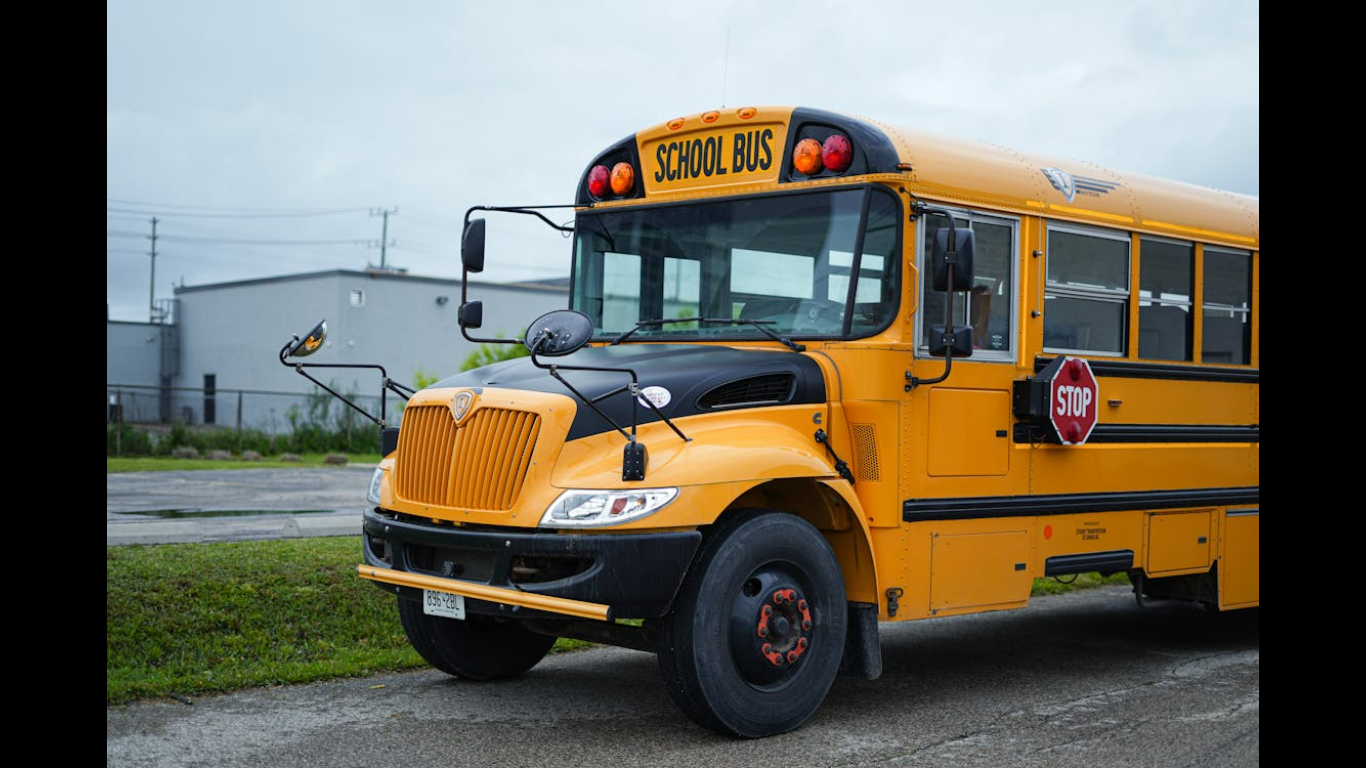
The yellow school bus feels like a trusted old friend. But today’s crowded roads and distracted drivers mean modernizing student safety goes far beyond just buying new buses.
Outdated Fleets and Emerging Risks
Many school districts still rely on buses that are a decade or more old. While these vehicles are built tough, they lack the advanced safety features. Key concerns include:
- Limited crash avoidance: Older buses rarely have automatic emergency braking, lane departure warnings, or blind-spot detection.
- Poor driver visibility: Front-end “danger zones” remain a major cause of pedestrian incidents, especially with young children.
- Air quality issues: Diesel exhaust from aging engines can worsen respiratory conditions, affecting student health over time.
- No real-time data: Without GPS or telematics, fleet managers cannot track speed, harsh braking, or route deviations effectively.
Modernizing fleets with newer propulsion systems and integrated driver-assist technologies directly reduces crash risk and improves air quality inside and outside the bus.
Smart Cameras and Connected Oversight
One of the most powerful upgrades available today is comprehensive, connected camera systems. In this case, video monitoring for school and transit buses has evolved from simple recording boxes to intelligent, cloud-connected tools. These systems do far more than capture blame after an incident. They actively shape safer behavior:
- 360-degree coverage: Cameras cover stop arms, entry doors, driver area, and passenger seats, leaving no blind spots.
- Real-time alerts: When a stop arm is violated, the system can instantly notify fleet managers and law enforcement with timestamped video.
- Driver coaching: AI-enabled cameras flag sudden stops or unsafe following distances, allowing private, targeted feedback to drivers.
- Student conduct evidence: Bullying, fighting, or seatbelt misuse can be reviewed without he-said-she-said ambiguity, enabling fair discipline.
These tools shift the safety culture from reactive to preventive. Knowing that every trip is monitored encourages better decisions from drivers, students, and even motorists illegally passing stopped buses.
Real-Time Tracking and Parent Communication
The modern parent expects the same visibility into a school bus trip as into a food delivery or ride-share. Real-time tracking platforms close the information gap that once left families waiting anxiously. Benefits include:
- Live route mapping: Parents and school administrators can see exactly where a bus is and predict arrival times within minutes.
- Boarding and exiting notifications: A quick app alert confirms when a child gets on or off the bus, reducing the risk of a child being left behind or getting off at the wrong stop.
- Two-way emergency messaging: Drivers can alert dispatch to unexpected delays, accidents, or student emergencies without fumbling for a personal phone.
- Route optimization: Historical data helps planners avoid high-risk intersections, reduce ride times, and ensure no child waits at an unsafe stop after dark.
Families are more likely to choose the bus over private drop-offs when they feel informed and in control, which in turn reduces traffic congestion around schools.
Driver Training and Fatigue Prevention
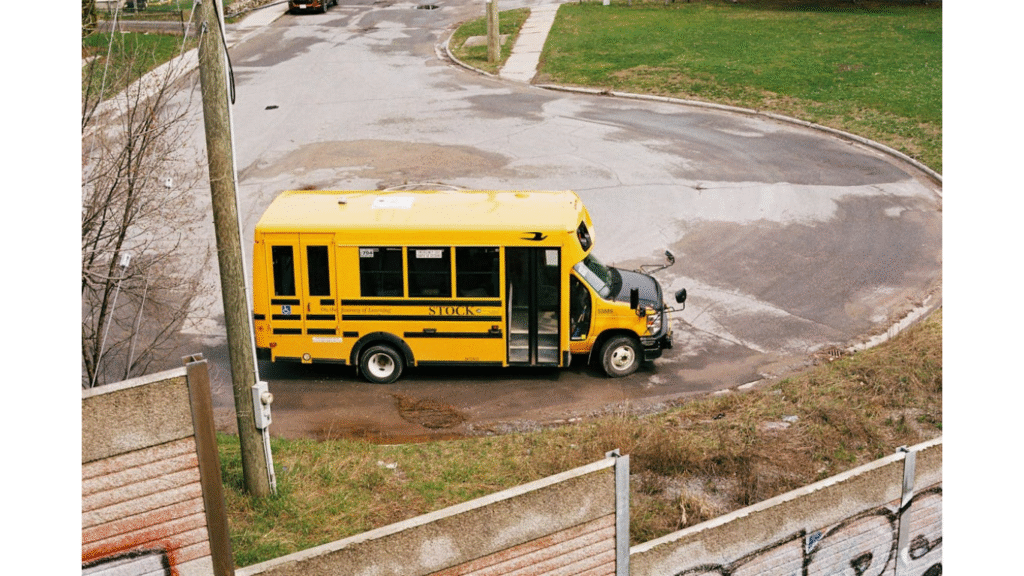
Technology is only as effective as the person behind the wheel. Modernizing student transportation must include a renewed focus on driver wellness and continuous training. Critical updates include:
- Fatigue monitoring systems: Inward-facing cameras detect eyelid closure, head nodding, or distraction, issuing audible alerts before a driver loses focus.
- Simulator-based refreshers: New drivers practice emergency scenarios without real-world risk.
- Health and stress checks: Simple biometric sensors on steering wheels can track heart rate variability, flagging when a driver might be too stressed or ill to operate safely.
- Behavioral reinforcement: Instead of punitive measures, a coaching dashboard highlights positive driving trends, encouraging pride in smooth, cautious routes.
Drivers remain the most critical safety asset. Giving them modern tools and respect reduces turnover and ensures experienced adults are at the controls.
Investing in Infrastructure and Community Partnerships
No bus operates in a vacuum. Safe student transportation depends on the roads, stops, and behaviors surrounding the vehicle. Forward-looking districts are partnering with local governments and tech firms to improve the broader environment:
- Smart stop design: Well-lit, accessible stops with bench seating, shelter from weather, and clear crosswalks reduce rush and risk.
- School zone traffic calming: Speed bumps, radar signs, and raised crosswalks near loading zones slow all traffic, not just buses.
- Community reporting apps: Citizens can report stop-arm violations or dangerous intersections using their phones, creating a shared safety net.
- Electric bus adoption: Electric buses are quieter, allowing students and drivers to hear approaching traffic or emergency sirens more clearly.
Modernization takes constant effort, not just a single purchase. With better vehicles, smart cameras, real-time updates, and good infrastructure, every child’s daily trip becomes reliably safe, not a gamble.
Article received via email