It’s safe to say that safety is no longer perceived as something that’s optional (at least not in this day and age), but rather as something that’s mandatory, that’s associated with efficacy, profitability, and resilience.
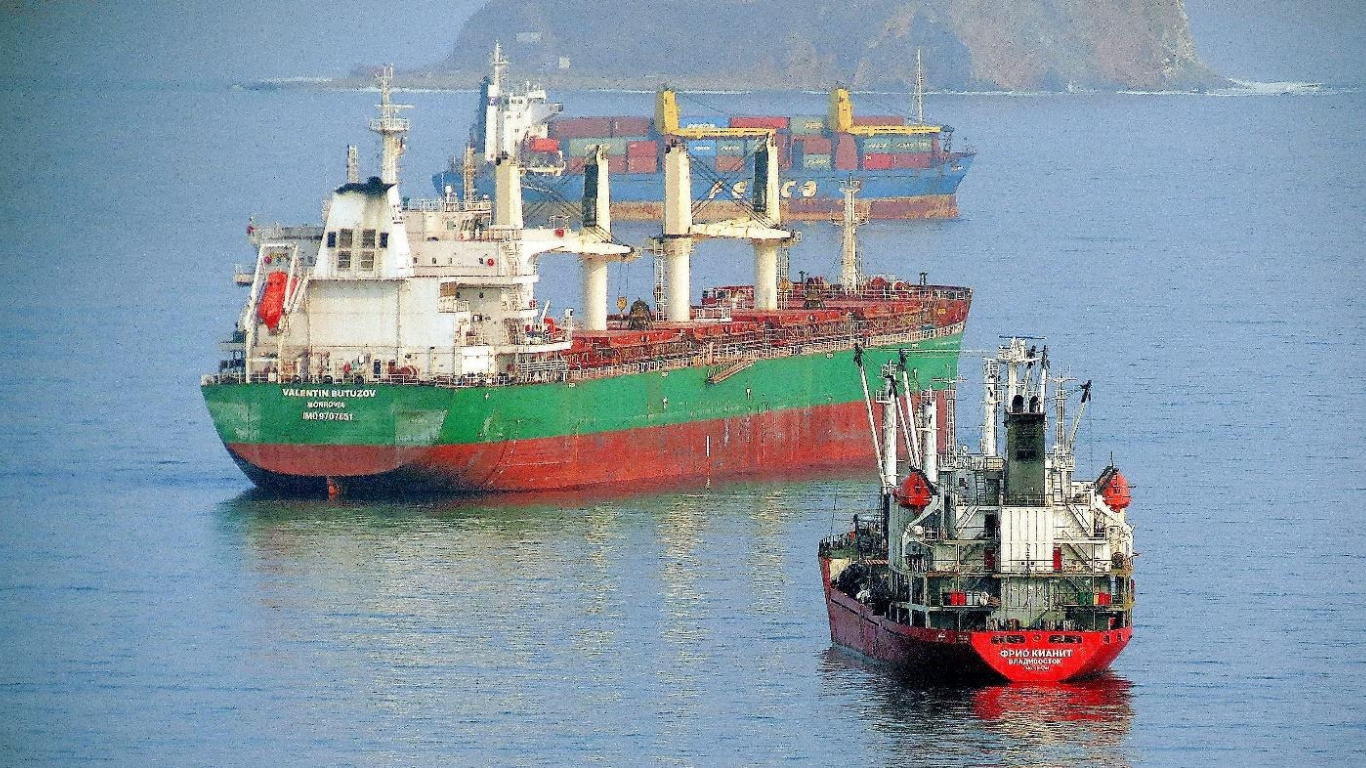
For businesses operating fleets (regardless of their line of work), safety investments are being measured not solely by decreased risk, but by return on investment, as well. Today, lots of companies make use of tracking systems to level up driver safety, boost compliance, and many other things.
That’s one of the main reasons why fleet tracking has become very widespread in the past couple of years, and a topic that’s about to be explored below.
Unsafe Operations Aren’t Cheap
Lots of firms have concluded that safety produces ROI, and also that unsafe operations can be extremely costly. In other words, incidents can result in a variety of different negative things, such as insurance claims, repairs, medical costs, and legal exposure.
But what you need to understand is that hidden expenses frequently go much deeper. If a business allows something like this to happen, it will cause lost contracts, ruined reputation, employee turnover, etc.
And there’s no need to remind you how quickly and easily all of these expenses can add up. That’s why if you want to keep them at bay, you need to prioritize prevention, because by doing so, you’ll safeguard not only your finances, but people, too!
In these situations, fleet tracking can be of huge assistance because it’s not only a safety tool, but also a performance strategy.
The Mixture Of Technology And Fleet Performance
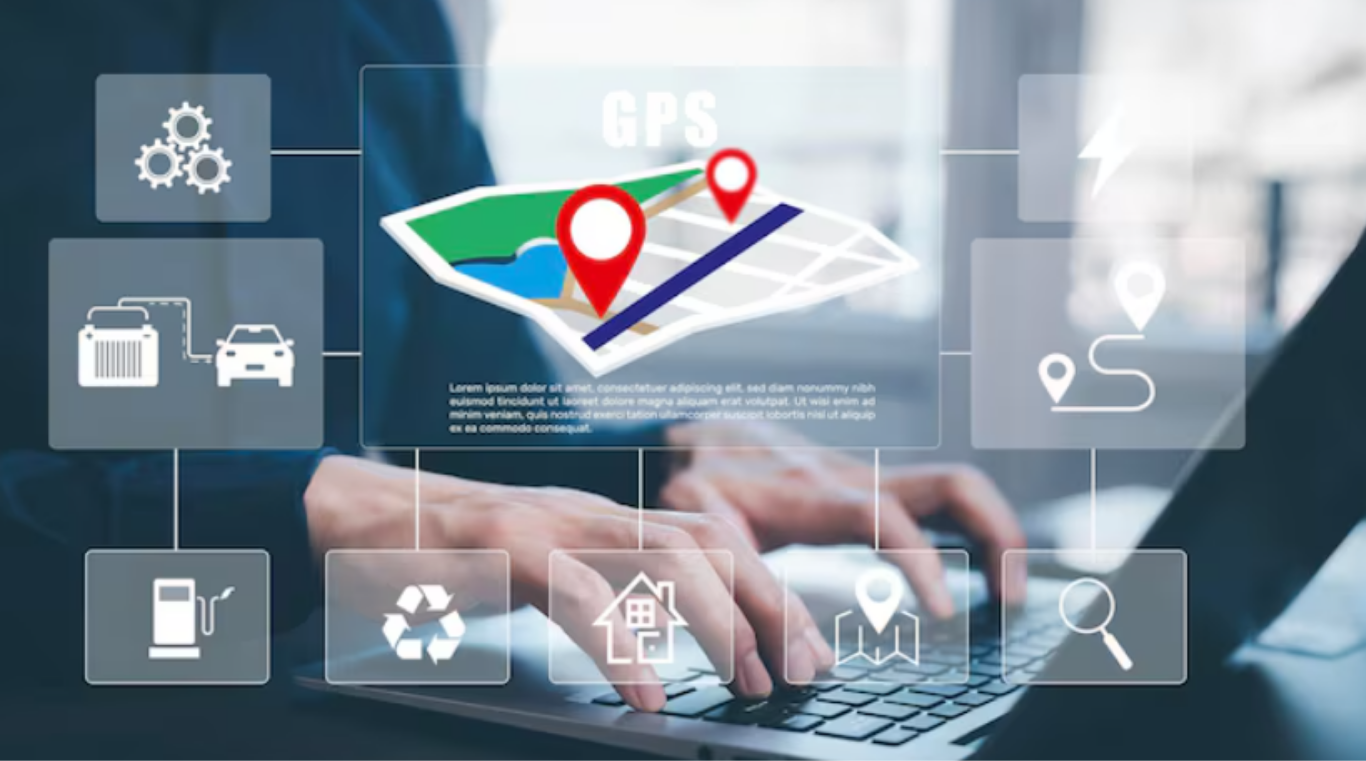
The business case becomes much stronger when fleet solutions begin using broader operational intelligence. In these instances, HD Fleet platforms (or any other, for that matter) can make a huge impact. Namely, they are intended to show how modern tracking is evolving beyond location monitoring into an approach that’s a lot more extensive to fleet performance, combining efficacy with safety visibility.
That evolution is part of why fleet tracking is perceived as a business priority not only for this year, but for the future, as well. It’s not just about where your vehicles are, but also about the overall performance of your fleet.
Fleet Tracking And Decreased Risk
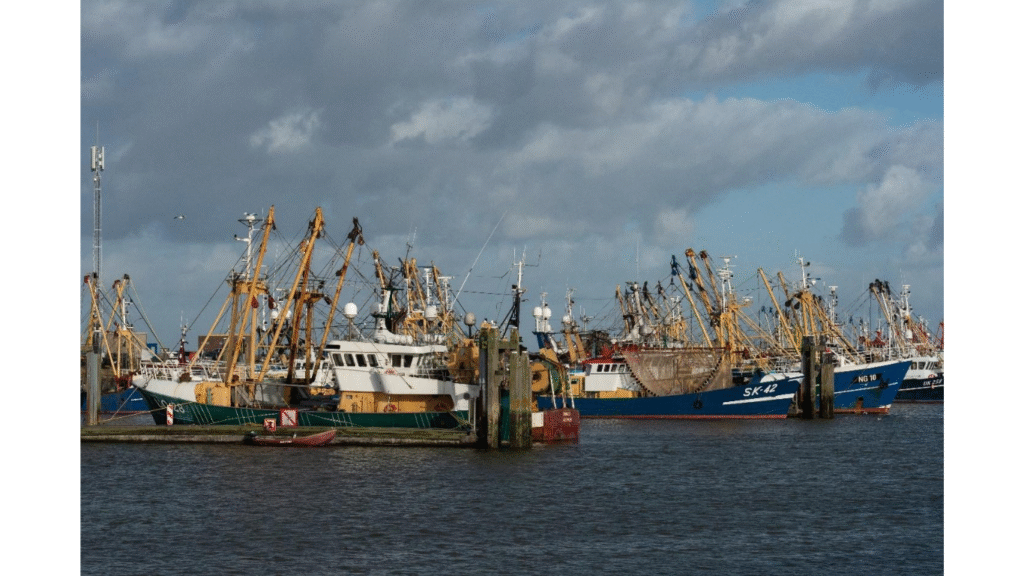
One of the perks of using fleet tracking lies in the fact that it provides organizations with visibility into vehicle movement and driver behavior. By doing something like this, it converts risk management into something that’s proactive, instead of reactive.
By virtue of it, managers can identify patterns that may cause the incidents before things get worse. This refers to issues, such as these:
- Route deviations
- Harsh braking
- Unsafe braking
- Unauthorized vehicle use
If the fleet tracking is leveraged, then all of a sudden, all these issues are no longer hidden because they’ve turned into measurable behaviors. This type of change enables companies to properly train drivers, boost accountability, and, simultaneously, lower incidents before they escalate. In these instances, ROI becomes a lot more palpable.
Reduced Expenses Through Efficiency
Insurance is frequently one of the clearest examples. Fleets that are considered safe have fewer claims in comparison to those that aren’t. Besides that, they also have enhanced records, along with stronger negotiating positions with the insurance companies.
At times, lower premiums alone can offset a solid portion of technology costs. Fuel management is another area where returns can be pretty large. Wasted mileage, poor routing, and slowly eroding margins on a daily basis.
Fleet tracking is designed to optimize routes, boost dispatching, and decrease fuel waste across operations. Small efficiencies, multiplied across a single fleet, can make huge savings, and that’s something that’s pivotal in all the industries in which margins can be tight and where fuel expenses tend to be volatile.
Data To Boost Decision-Making
It’s worth mentioning that there’s a growing role of data. It’s safe to say that companies (referring to this year) are making more decisions through analytics instead of relying on their intuition. Fleet tracking is very supportive of this change by converting vehicles into sources of real-time operational intelligence.
Furthermore, managers are supervising route efficacy, maintenance timing, and asset utilization. Precisely this level of visibility supports smarter decisions, and there’s no need to remind you how essential that is, since it results in generating much stronger results.
It’s important to accentuate the fact that safety is not solely about keeping bad outcomes at bay, but also about lower volatility, better efficacy, stronger margins, and many other things that only benefit your firm.
Article received via email