

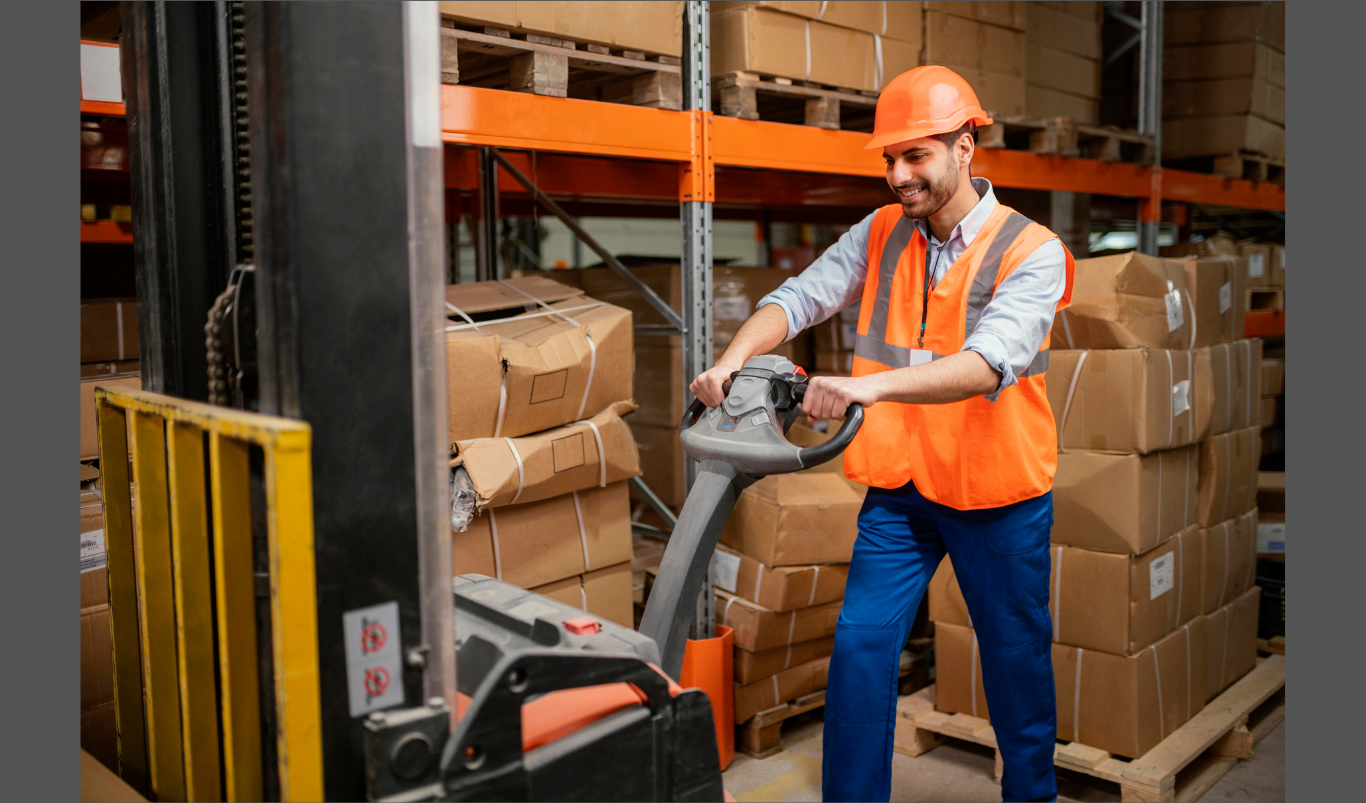
In industries such as manufacturing, chemicals and food processing it is particularly necessary to handle quantities of materials in a safe way. We store several powders, grains or pellets in containers like FIBCs, drums and octabins. If we don’t handle these materials cautiously, it might result in messes, dust everywhere and people can get hurt.
We can make things better by using objects and machines that are easy to operate and help keep the air clean. This means we can fill and empty the containers easily and safely which allows us to work quicker and follow the laws. Bulk containers like FIBCs, drums and octabins are highly crucial in this process thus we need to make sure we treat them carefully.
Bulk Container Discharging: Challenges and Why Solutions are Important
Bulk container discharging can be a pain when dealing with sticky or cohesive materials. They often get stuck or form holes, stopping the flow and causing downtime. Traditional manual methods are not ideal because workers have to lift heavy loads, sometimes up to 1,000 kg per octabin. There is also a risk of dust emissions, which can lead to regulatory issues under standards like NFPA 654.
Specialized dischargers make a difference. They use tools like vibrators or flexible liners to help empty containers completely. For octabins, these systems include iris valves and spouts for controlled discharge.
Effective Octabin Filling Techniques For Accuracy & Speed
Containers should be filled carefully to avoid overfilling. When you overfill it it squashes the materials. Makes them less good. Automated filling systems employ scales which weigh in real-time. These scales are accurate to within a half of a percent.
Special bulk bag fillers are utilized for the octabin containers. These fillers have hoods for dust protection and machinery that automatically tie off the bags. This prevents contamination, and allows filling numbers of bags, up to 20 bags every hour.
These automized systems are particularly suited for equipment like conveyor belts. They employ vibrating feeders to degas powders. This helps ensure that all the powders are of the same density.
Many industries claim they can fill containers 25 percent faster than manual techniques. This is information derived from research performed by the International Material Management Society on material handling.
Ergonomic Designs Reducing Risks in Octabin Handling
The incorporation of ergonomic principles into your material handling process has drastically reduced injury. The ability to tilt and lift the octabin allows operators to position containers at an appropriate height (800–1200mm), eliminating bends and reaches that account for approximately 40 percent of all warehouse injuries, according to NIOSH standards.
A pallet inverter or pallet rotator allows for a 180-degree tilt so operators can have full access to containers. Scissors may be adjusted to fit different size containers. Features like as safety interlocks that are built in aid to avoid unintentional drops of loads. Some variants are also equipped with proximity sensors that prevent the equipment from moving if a person is nearby. These features help foster a “Zero Incident” environment within a bulk processing facility.
Dust Control and Containment Strategies for Octabin Processing
The dust generated from an octabin discharge can exceed a ten milligram-per-cubic meter (mg/m^3) concentration, potentially leading to explosion hazards when using combustible materials. Total Containment Systems that include Glove Ports and HEPA Ventilation have been developed as advanced containment technologies. These systems are capable of isolating 100% of all particulate matter during a process operation. Additionally, Flexible Connectors are used to provide a sealed connection point between a hopper or bin and an Octabin Spout.
Pulse Jet Bag Houses recycle the air after it has passed through the bags, reducing the time required for maintenance cleaning operations by 50%. In addition, Pulse Jet Bag Houses meet all requirements of the European Union’s ATEX Directives. As such, a company does not need to invest in expensive clean room construction when utilizing this type of equipment for pharmaceutical manufacturing processes.
Predictive Bulk Handling with Integrated Automation & IoT
Modern manufacturing systems are connected through the Internet of Things (IoT) to provide current real time information about the fill level of octabins; vibration patterns; and flow rates. PLC’s utilize artificial intelligence (AI) algorithms to predict when a clog will occur. The alerts for maintenance personnel enable them to perform planned maintenance activities prior to a failure resulting in an overall reduction in unplanned downtime of 35% as shown in case studies at Pack Expo.
Article received via email























