Manufacturing firms are under constant pressure to improve efficiency, reduce downtime, and respond quickly to market changes. Most factories already generate large volumes of operational data from machines, sensors, quality checks, and production systems. However, this information often remains limited to the shop floor and does not reach planning, finance, inventory, or customer management teams. When production data and business systems are not connected, decisions become slower, less accurate, and more dependent on manual reporting.
Understanding Shop Floor Data
Shop floor data includes information created during manufacturing operations. This may involve machine performance, production quantities, downtime, quality inspection results, operator activity, and material usage. The data is collected through programmable logic controllers, industrial sensors, barcode scanners, human-machine interfaces, and manufacturing execution systems.
Importance of System Integration
Linking production systems with business applications improves coordination between departments. When inventory systems receive real-time updates from the production floor, purchasing teams can respond faster to shortages or demand changes. Finance teams gain better visibility into production costs, while customer service teams can track order progress and delivery timelines more accurately.
Role of Manufacturing Execution Systems
Manufacturing execution systems play an important role in connecting shop floor operations with higher-level business platforms. These systems collect production data directly from machines, operators, and industrial devices. They track work orders, machine use, production output, and quality performance. Because they operate between the factory floor and enterprise systems, they serve as a key bridge for data integration.
Connecting Production and Business Platforms
A modern cloud erp solutions can include integration features that allow manufacturing execution systems to share data with enterprise resource planning systems and supply chain applications. This connection allows automatic updates for inventory usage, production output, labor tracking, and quality information. By creating a steady flow of information between operational and business systems, manufacturers can reduce errors, improve efficiency, and minimize data inconsistencies.
Linking ERP Systems with Production Data
Enterprise resource planning systems manage finance, procurement, inventory, and customer orders. These systems become more effective when they receive accurate production information from the shop floor. Instead of entering data manually, manufacturers can automate the movement of production updates into the ERP system. This improves transparency and reduces the risk of mistakes.
Benefits of Real-Time Data Exchange
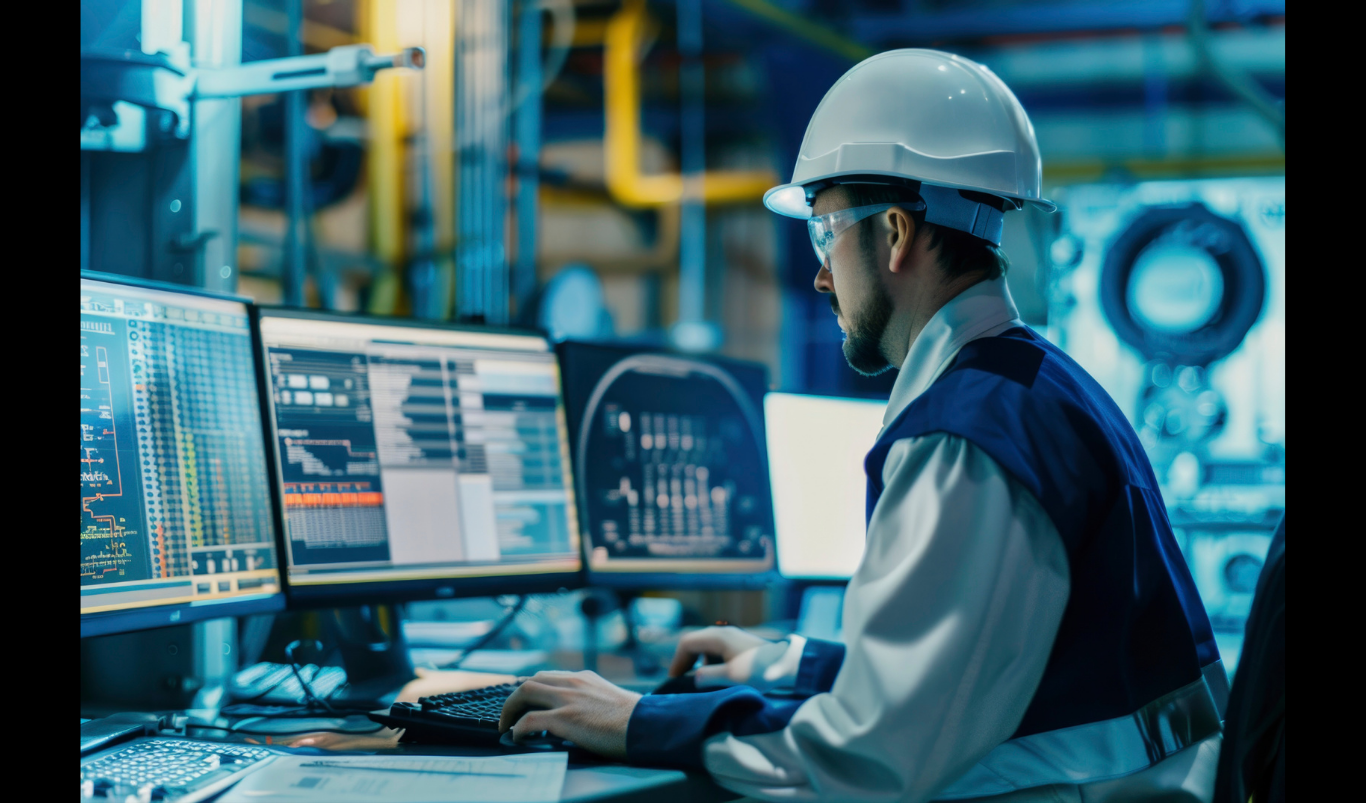
Real-time data exchange gives manufacturers immediate visibility into production performance. Supervisors can identify bottlenecks, machine downtime, and output levels without waiting for daily reports. This helps teams address problems before they affect production schedules or customer deliveries.
Better Inventory and Maintenance Control
The benefits are not limited to production teams. Inventory systems can automatically adjust stock levels based on material consumption. Maintenance systems can create alerts when equipment performance begins to decline. Real-time integration also improves communication because all departments work with the same updated information.
Challenges in Data Integration
Manufacturers may face technical and operational challenges during integration. Many factories use older equipment that was not designed for modern connectivity. These machines may need extra hardware, software, or custom development to connect with current business platforms.
Importance of Data Standardization
Standardizing production information helps different systems and departments share data more easily. When production systems, inventory platforms, and financial applications use the same data definitions, integration becomes easier to manage. Clear standards also improve reporting, analytics, and forecasting.
Role of Industrial IoT and Cloud Platforms
Industrial Internet of Things technology helps manufacturers collect and transmit shop floor data in real time. Sensors can monitor temperature, vibration, energy use, and machine output. This information can then be sent to manufacturing execution systems or enterprise platforms for analysis and reporting.
Building a Long-Term Integration Strategy
Integration is more than connecting software applications. Manufacturers need a long-term strategy that aligns technology investments with operational goals. This includes reviewing existing systems, identifying integration priorities, setting performance targets, and involving stakeholders from production, IT, finance, and supply chain teams.
Training and Change Management
Employee training is essential for success. Teams must understand how connected systems affect daily work and how to use data correctly. Manufacturers that treat integration as an ongoing improvement process can improve visibility, reduce inefficiencies, support better planning, and create stronger long-term business value.
Article received via email