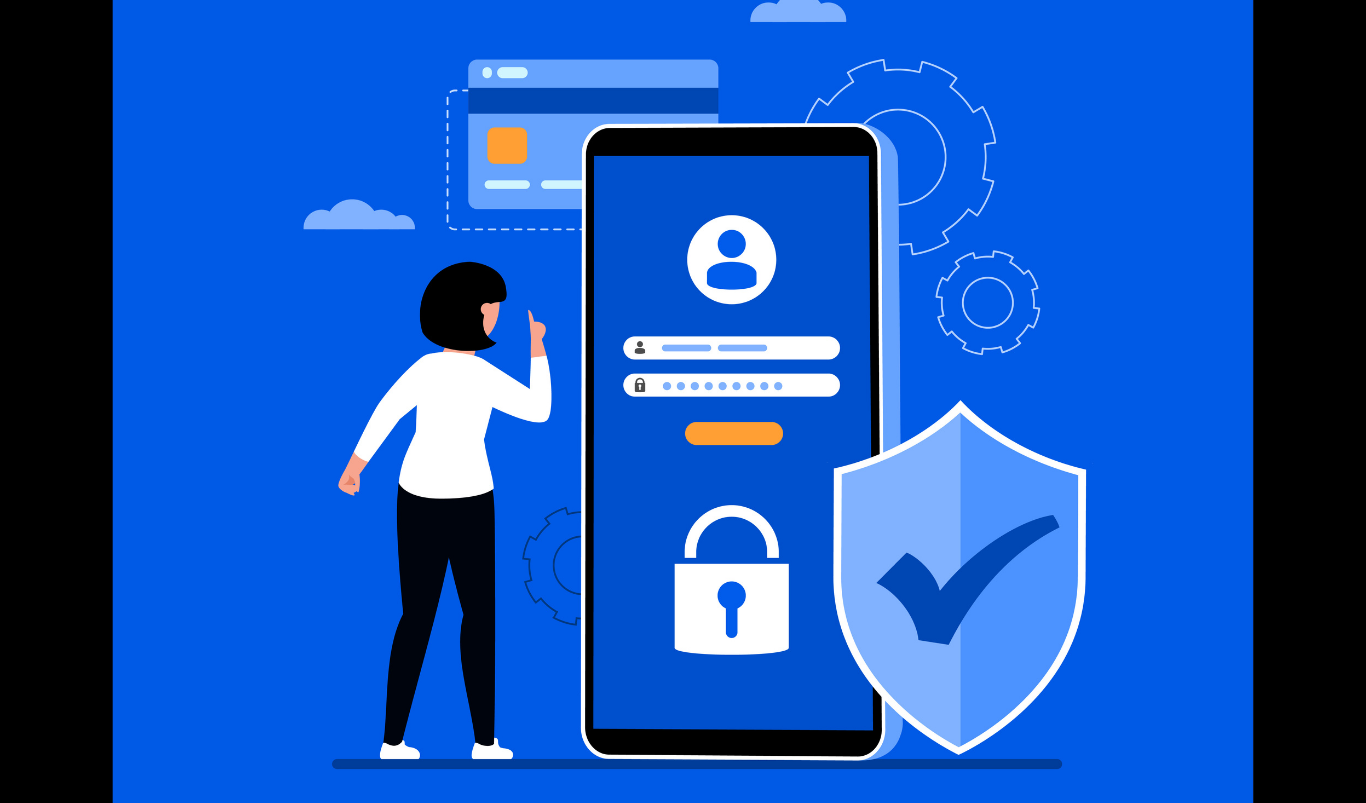
Mobile applications have transformed the way businesses operate, communicate, and deliver services in today’s highly connected digital economy. They support online banking, healthcare systems, e-commerce platforms, enterprise management, communication tools, and cloud-based operations across industries. As mobile dependency continues to grow, organizations face increasing cybersecurity challenges, including malware attacks, unauthorized access, data leaks, phishing attempts, and operational disruptions. The increasing importance of android app security reflects how businesses are prioritizing stronger digital protection strategies to secure user information, operational systems, and connected mobile environments.
Building Safer Mobile Ecosystems Through Advanced Protection
Modern android applications require multiple security layers to protect user data, operational infrastructure, and connected systems against growing cybersecurity risks.
Organizations are increasingly integrating advanced security practices into mobile development environments to improve operational reliability and strengthen protection against emerging cyber threats.
- Secure Coding Standards and Vulnerability Prevention
Secure coding practices form the foundation of safe android application development. Developers follow structured coding frameworks that minimize vulnerabilities such as insecure authentication, data exposure, and malicious code injection. Security-focused development processes also include automated testing, vulnerability scanning, and regular code reviews to identify risks before deployment. Strong coding standards improve application reliability while reducing exposure to evolving cyber threats targeting mobile ecosystems and enterprise digital environments.
- Strengthening User Authentication Systems
Authentication mechanisms play a critical role in protecting android applications against unauthorized access and credential theft. Modern applications use multi-factor authentication, biometric verification, secure password protocols, and identity validation systems to improve security. These measures reduce the risks associated with compromised accounts and suspicious login attempts. Effective access management also enables organizations to monitor user activity more efficiently, improve operational visibility, and protect customer data.
- Data Encryption and Privacy Protection
Android applications frequently process personal information, payment details, and confidential enterprise data, all of which require advanced protection standards. Encryption technologies secure sensitive data during transmission and storage, minimizing exposure to cyberattacks and unauthorized interception. Privacy-focused security frameworks also help organizations maintain compliance with evolving data protection regulations. Businesses implementing strong encryption practices improve customer trust while strengthening operational security across mobile communication and digital transaction environments.
Strengthening Mobile Protection Through Android App Security
Modern mobile applications require layered security frameworks that protect sensitive information, user identities, and operational infrastructure from growing cybersecurity risks. The growing focus on android app security continues to shape how businesses design, develop, and maintain secure mobile applications in modern digital ecosystems.
Organizations are adopting proactive security strategies to strengthen operational continuity, improve user trust, and reduce vulnerabilities across connected android platforms.
- Protecting Applications Against Malware Threats
Malware attacks remain one of the biggest cybersecurity challenges within android environments. Developers implement anti-malware frameworks, application shielding technologies, and runtime protection systems to reduce risks associated with malicious software. These security mechanisms help prevent unauthorized modifications, data theft, and operational disruptions. Strong malware protection also improves application stability while supporting safer digital experiences for users across diverse mobile environments.
- Preventing Reverse Engineering and Code Tampering
Cybercriminals often attempt to reverse engineer mobile applications to steal business logic, exploit vulnerabilities, or manipulate application behavior. Developers use code obfuscation, tamper detection systems, and runtime integrity checks to strengthen application protection. These techniques make it more difficult for attackers to analyze or modify application code. Improved protection against reverse engineering helps organizations safeguard intellectual property and maintain stronger operational security.
- Managing Mobile Device Permissions Securely
Android applications frequently request access to device features such as storage, cameras, microphones, and location services. Improper permission management can expose sensitive user information and create operational risks. Developers, therefore, follow minimal permission practices and transparent consent models that improve privacy protection. Secure permission management also strengthens customer confidence while reducing unnecessary exposure within connected mobile ecosystems.
Emerging Technologies Reshaping Mobile Security Environments
Advanced technologies continue transforming how organizations secure android applications, connected devices, and enterprise mobile operations.
Businesses are increasingly adopting intelligent cybersecurity frameworks that improve threat detection, operational visibility, and long-term digital resilience within evolving mobile ecosystems.
- Artificial Intelligence in Mobile Threat Detection
Artificial intelligence technologies help organizations identify suspicious activities, abnormal usage patterns, and emerging threats within android environments. AI-powered security systems continuously analyze operational behavior, enabling faster threat detection and automated responses. Intelligent monitoring improves cybersecurity efficiency while reducing the risks associated with delayed incident response. AI-driven security frameworks also strengthen predictive analytics and long-term operational protection strategies.
- DevSecOps Integration in Android Development
DevSecOps combines cybersecurity practices directly into android application development and operational processes. Security testing, vulnerability scanning, and compliance verification occur continuously during software development lifecycles. This integration helps organizations identify vulnerabilities earlier while improving software reliability and deployment efficiency. DevSecOps frameworks also support faster innovation while maintaining stronger security standards across evolving mobile environments.
- Endpoint Protection Across Connected Devices
Enterprise mobile environments often involve smartphones, tablets, remote devices, and cloud-connected systems operating simultaneously. Endpoint protection solutions monitor these devices for malware infections, suspicious activities, and unauthorized access attempts. Centralized management platforms improve operational visibility while supporting stronger cybersecurity governance. Effective endpoint security reduces attack surfaces and strengthens protection across distributed mobile ecosystems.
Conclusion
The increasing reliance on mobile applications across industries has made cybersecurity a critical component of modern digital operations. Businesses are prioritizing stronger mobile protection strategies involving secure development practices, data encryption, access management, cloud security, and continuous monitoring to safeguard sensitive information and operational systems.
In today’s rapidly evolving digital landscape, organizations are prioritizing robust cybersecurity frameworks and mobile protection strategies to ensure safe application development and resilient digital ecosystems. In this context, companies like Doverunner contribute by offering advanced solutions that help secure android applications, strengthen enterprise security posture, and support seamless digital transformation initiatives. Through proactive risk management, secure infrastructure frameworks, continuous monitoring, and modern cybersecurity technologies, they help organizations strengthen mobile application resilience, improve operational security, and maintain safer digital environments across evolving mobile ecosystems.
Article received via email