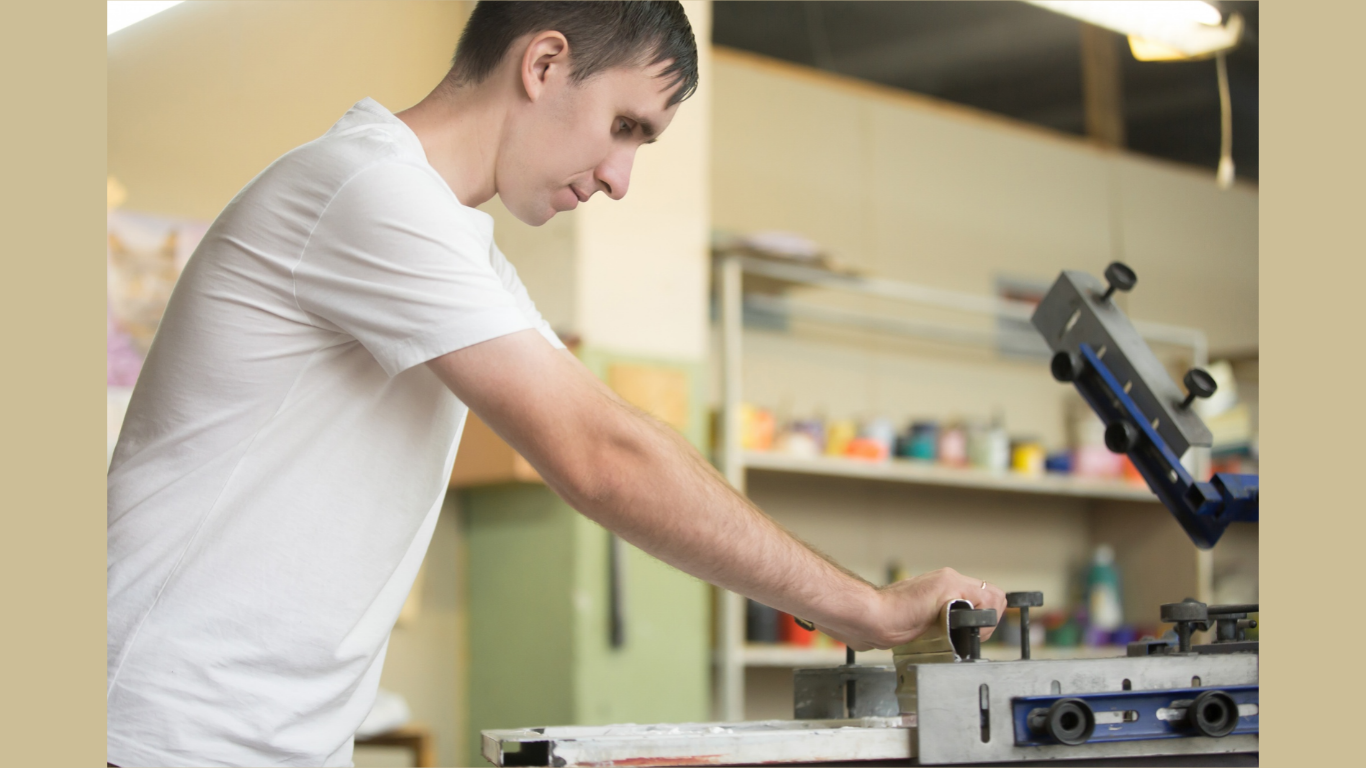
Direct-to-film (DTF) printing is a practical solution for businesses producing customized apparel. Unlike direct printing, which applies ink straight onto a garment, DTF creates the design on a transfer film first, then applies it to the target material with a heat press.
DTF printing has attracted attention for its flexibility. Depending on the transfer materials, fabric composition, and application settings, it can be used with many common textile materials, making it suitable for businesses producing different types of clothing, accessories, and promotional products.
So, what materials can be printed with a DTF printer? Here are the most common options.
Cotton
Cotton is one of the most widely used materials for apparel printing, common in T-shirts, hoodies, sweatshirts, and tote bags. DTF printing can produce detailed, colorful designs on cotton, since the design is printed onto film rather than directly onto the garment. Cotton garments vary in thickness and texture, so testing is recommended, as temperature, pressure, and pressing time affect adhesion.
Polyester
Polyester is another common material, frequently found in sportswear, uniforms, jackets, and promotional apparel. DTF works well here since the design is transferred through a heat-press process rather than printed directly onto the material. However, polyester can be sensitive to high heat, which may affect the fabric or cause color changes, so businesses should test the material before a larger production run.
Cotton-Polyester Blends
Many modern garments are made from blended fabrics rather than a single fiber. Cotton-polyester blends combine properties from both materials and are widely used in casual clothing, workwear, and promotional products. DTF transfers can be applied to many suitable blends, giving businesses more flexibility when choosing garments. Since blend ratios vary, a test application helps determine needed adjustments.
Denim
Denim is commonly used for jeans, jackets, and bags, and its durable construction suits various decoration methods. DTF transfers can add logos, illustrations, and lettering to suitable denim products, useful for custom fashion and limited-edition designs. Denim is often thicker than standard T-shirt fabric, so even pressure during heat pressing matters, and testing beforehand helps ensure consistent results.
Canvas
Canvas is another material suitable for DTF printing, commonly used for tote bags, accessories, shoes, and promotional products. Its sturdy surface can support detailed graphics when compatible with heat application. However, canvas products may have different coatings that affect adhesion, so compatibility should be checked before production.
Nylon and Other Synthetic Fabrics
Certain nylon and synthetic materials can also be used with suitable DTF transfer systems, found in bags, outdoor apparel, sportswear, and lightweight jackets. These materials need attention because heat resistance and surface properties vary, and some contain coatings that influence adhesion. Businesses should check specifications before applying a transfer.
Why Material Selection Matters
Choosing a suitable material is only one part of achieving a successful DTF print. The fabric’s composition, texture, thickness, and heat resistance influence the final result. Transfer film and adhesive powder also play important roles — if the adhesive doesn’t bond properly, the design may peel or lose durability after washing. Heat-press conditions matter; temperature, pressure, and pressing time should match the manufacturer’s recommendations.
How to Choose a DTF Printer
The printer itself is another key consideration. Businesses should evaluate expected production volume, print width, design requirements, and available workspace before purchasing equipment. For businesses producing customized apparel regularly, a LINKO DTF printer can be considered as part of a complete DTF production workflow. The right equipment helps maintain consistent print quality and makes it easier to handle different designs. However, the printer is only one part of the process — film, ink, powder, curing, and heat-press equipment should all work together as a system.
Testing Before Production
Even when a material is generally suitable for DTF printing, testing is recommended, since manufacturers use different fabric finishes, coatings, or blends. A small test can identify adhesion, color, or heat sensitivity issues before a large batch is produced, and wash testing offers useful durability insights for businesses producing garments for customers.
Final Thoughts
DTF printing can be used with a wide range of materials, including cotton, polyester, blended fabrics, denim, canvas, and certain synthetic textiles. This flexibility makes it useful for businesses producing customized apparel, promotional products, uniforms, and accessories. However, not every material behaves the same way — fabric composition, surface treatment, heat resistance, and pressing conditions all affect the outcome. By selecting suitable materials, testing new products, and using consistent settings, businesses can make better use of DTF printing and expand their product range.
Blog received via e-mail