Extreme heat pushed parts of the U.S. power grid close to emergency conditions last week
Extreme heat pushed parts of the U.S. power grid close to emergency conditions last week as air-conditioning demand surged, while electric school buses and other bidirectional vehicles demonstrated how EV batteries can supply electricity during periods of peak demand.
The development highlighted how EVs support grid operations through vehicle-to-grid technology, which allows compatible vehicles to send stored electricity back into the power system. V2G technology is gaining attention as utilities face higher summer demand and tighter reserve margins.
Extreme Heat Strains the Power Grid
High temperatures drove electricity consumption sharply higher across several U.S. regions. The strain was particularly severe in the territory operated by PJM Interconnection, which manages electricity flows across a large portion of the eastern United States.
According to Reuters, PJM introduced emergency measures as operating reserves declined during the heat wave. The grid operator serves about 67 million people, making tight supply conditions a major concern during periods of extreme electricity demand.
Wholesale electricity prices also rose sharply as the system faced pressure from increased cooling use and limited available capacity.
EVs Support Grid Demand Through V2G Technology
Vehicle-to-grid technology changes how compatible electric vehicles interact with the power grid. Standard charging moves electricity from the grid into a vehicle, while bidirectional charging allows energy to flow back from EV batteries when needed.
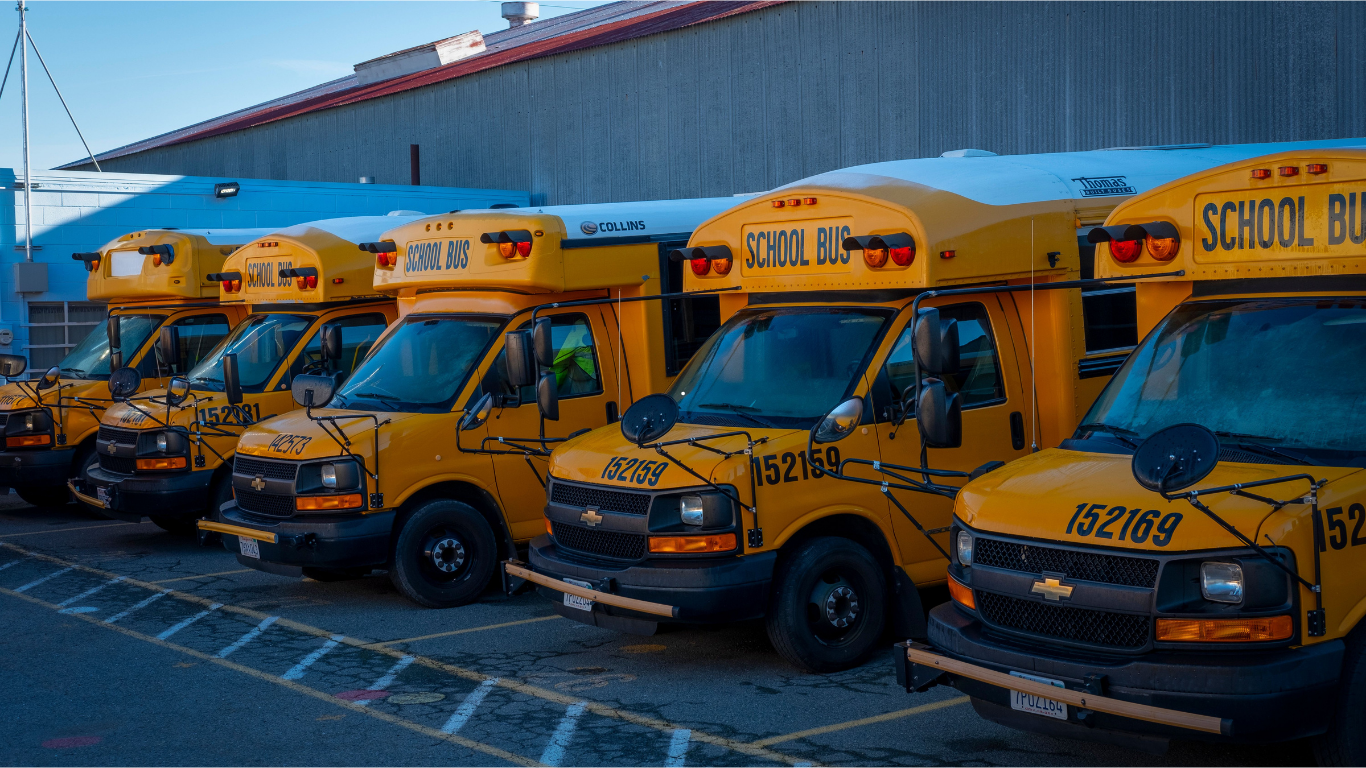
Electrek reported that electric school buses were among the vehicles helping demonstrate this capability during the recent heat-related strain. These buses can charge during lower-demand periods and discharge stored energy during peak hours when connected to approved bidirectional systems.
The technology requires compatible vehicles, bidirectional chargers, control software, utility coordination, and appropriate grid connections.
Electric School Buses Act as Mobile Batteries
Electric school buses are considered suitable for V2G technology because they often carry large EV batteries and follow predictable schedules. They also remain parked for extended periods, including during summer when school transportation demand can be lower while electricity use rises.
Electrek cited data linked to the World Resources Institute showing that about 230 electric school buses in deployed V2G projects could collectively provide roughly 8 MWh of energy.
The buses can remain connected while parked, allowing fleet management systems to control when they charge or discharge electricity. Required battery levels can also be maintained for transportation schedules.
California Expands Vehicle-to-Grid Projects
California has become a major testing ground for electric school buses with bidirectional charging. Reuters has reported that Oakland Unified School District operates a 74-bus electric fleet connected to vehicle-to-grid infrastructure.
The project allows stored energy from EV batteries to be supplied during selected periods of high electricity demand. Similar deployments are also being developed in other parts of the United States as utilities examine the role of fleet batteries in grid management.
EV Batteries Gain a Wider Role During Peak Demand
The World Resources Institute has tracked the expansion of electric school buses and related charging projects as more districts shift toward electric fleets.
Current V2G technology deployments remain small compared with total U.S. electricity demand. However, participating electric school buses can provide stored power during selected peak periods, while larger fleets could increase available capacity as bidirectional charging infrastructure expands.
Vehicle-to-grid technology still faces challenges involving equipment costs, utility rules, technical compatibility, battery management, and compensation for electricity returned to the power grid.
For similar news on technology, please read:
1) SMBC and Toshiba Develop Quantum Technology for Equity Index Innovation
2) JA Solar Unveils Dual-Technology Photovoltaic Roadmap for Post-Cycle Market Leadership