The global manufacturing sector is currently facing unprecedented supply chain pressures and rapidly escalating labor costs. To maintain profitability, plant managers and operational leaders are rigorously evaluating their existing infrastructure.
Relying on legacy manual processes is no longer a viable long-term strategy in a high-demand market. Consequently, the integration of automated packaging equipment has emerged as the core solution for scaling productivity.
The Strategic Shift Toward Automated Packaging
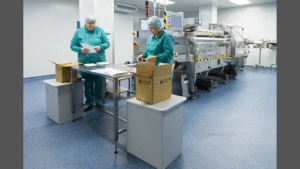
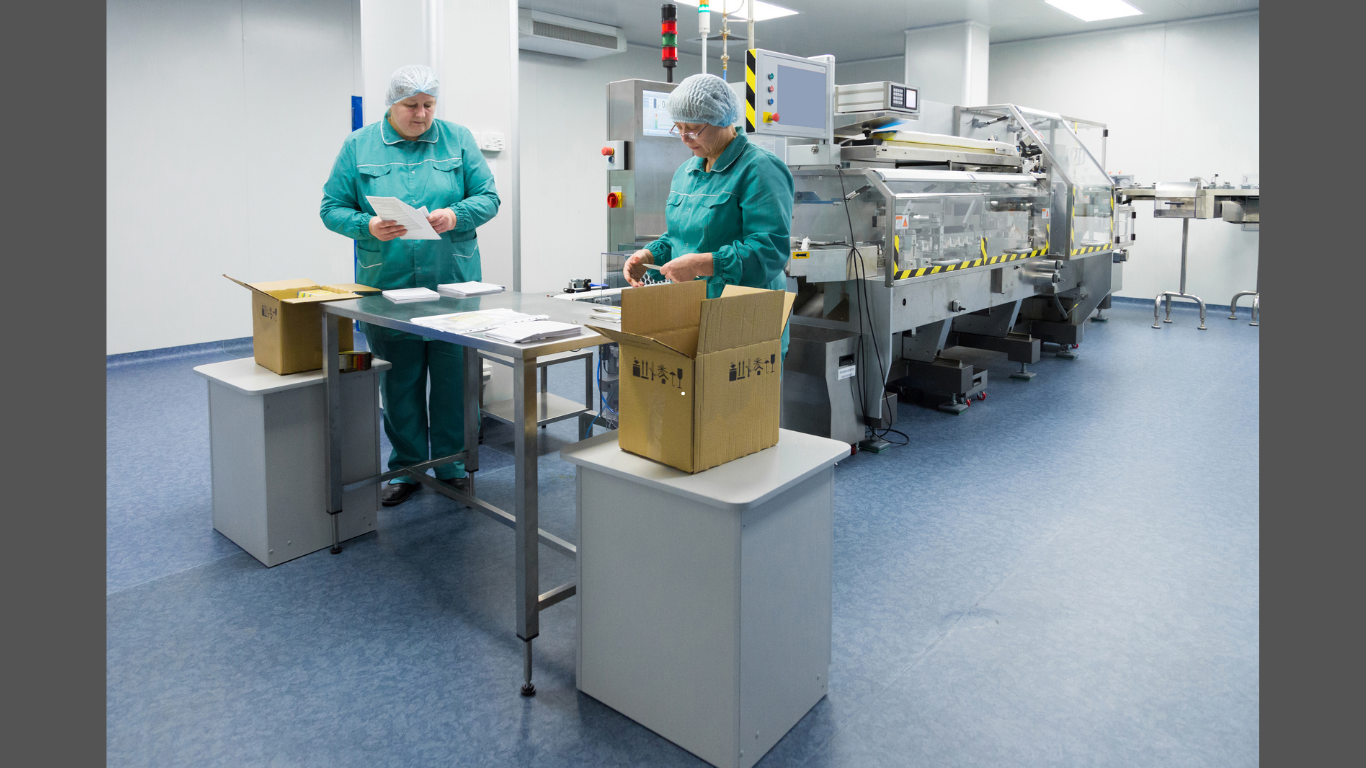
Facilities are actively accelerating the phase-out of semi-automatic equipment in favor of fully automated workflows. This shift is primarily driven by the need to balance operational stability with maximum output capacity.
To maintain a competitive edge, facilities are moving away from manual operations and investing heavily in end-to-end automation. Implementing state-of-the-art Levapack not only standardizes output quality but also significantly mitigates the risks associated with human error and mechanical downtime.
Manufacturers now require systems equipped with smart servomotors and overload protection devices to ensure continuous, stable production cycles even during peak demand periods.
Key Technological Innovations in Packaging Machinery
High-Speed Seaming and Filling Capabilities
Modern automated systems are engineered to handle a highly diverse range of material states with absolute precision. Whether processing solids, powders, granules, or liquids, contemporary machinery adapts to specific material flows.
- Precision Dispensing: Ensures accurate volume control to eliminate product giveaway.
- Hygienic Compliance: Meets stringent food-grade hygiene and hermetic sealing standards.
- Versatility: Seamlessly transitions between different container types and sizes.
Integration of IoT and PLC Systems
The backbone of a modern automated line lies in its digital intelligence. The integration of advanced PLC Systems allows for highly sophisticated, centralized control over the entire packaging process.
- Smart Servomotors: Deliver pinpoint positional accuracy for moving parts.
- Overload Protection: Automatically detects mechanical strain to prevent catastrophic failure.
- Real-time Monitoring: Enables continuous tracking of operational metrics via IoT sensors.
Calculating the True ROI of Machinery Upgrades
Labor Optimization vs. Capital Expenditure
Upgrading to a fully automated facility requires a significant initial capital expenditure (CapEx). However, evaluating the ROI requires a long-term analysis of operational expenditure (OpEx) reductions.
- Headcount Reduction: Minimizes reliance on manual labor for repetitive tasks.
- Training Costs: Decreases the constant need to onboard and train new assembly line workers.
- Continuous Operation: Enables 24/7 production capabilities without shift-change delays.
Reducing Downtime and Material Waste
Beyond labor, the true cost of inefficient packaging lies in material waste and equipment downtime. Modern systems are designed with error-proofing mechanisms to maximize yield.
- Auto-detection Sensors: Identify misaligned containers or incorrect fill levels instantly.
- Touchscreen Resets: Allow operators to quickly resolve minor jams without extended delays.
- Defect Reduction: Lowers the rate of rejected products, directly saving raw materials.
Navigating the Challenges of Digital Integration
The transition toward fully autonomous facilities is not without its hurdles, particularly when aligning legacy infrastructure with new digital frameworks.
However, embracing the principles of the Fourth Industrial Revolution is essential for facilities aiming to achieve predictive maintenance and real-time data analytics.
Plant managers must ensure that any new equipment seamlessly integrates with their overarching digital ecosystem to prevent data silos.
Key Takeaways
| Area | Key Takeaway | Impact/Data |
| Labor | Automate repetitive manual packaging tasks. | Enable 24/7 operation; zero labor bottlenecks. |
| Efficiency | Deploy IoT/PLC-integrated smart servomotors. | Eliminate product giveaway; pinpoint accuracy. |
| Finance | Shift CapEx to long-term OpEx reduction. | Massive headcount and material waste reduction. |
| Resilience | Install sensors and overload protection. | Prevents downtime and catastrophic mechanical failures. |
Conclusion
The transition to automated packaging lines is no longer merely an operational upgrade; it is a fundamental necessity for survival in modern manufacturing.
By investing in high-speed, IoT-integrated machinery, facilities can decisively overcome labor shortages and material inefficiencies. Ultimately, this strategic digital alignment guarantees stringent compliance, operational resilience, and sustained, long-term profitability.
Article received via email