When business moves quickly, buying every piece of equipment is not always the smartest decision. Ownership makes sense for steady, long-term use, but it also ties up capital, requires storage, and can leave you paying for machines that sit idle. For businesses managing seasonal demand, short-term projects, or temporary sites, renting offers greater flexibility without a long-term commitment.
Why Rent First
Renting is often the best option for businesses handling changing workloads or project-based operations. A warehouse may need extra lifting capacity for a few weeks, while a contractor may only require a machine during one stage of a project. Temporary logistics sites also benefit from equipment that can be returned when no longer needed.
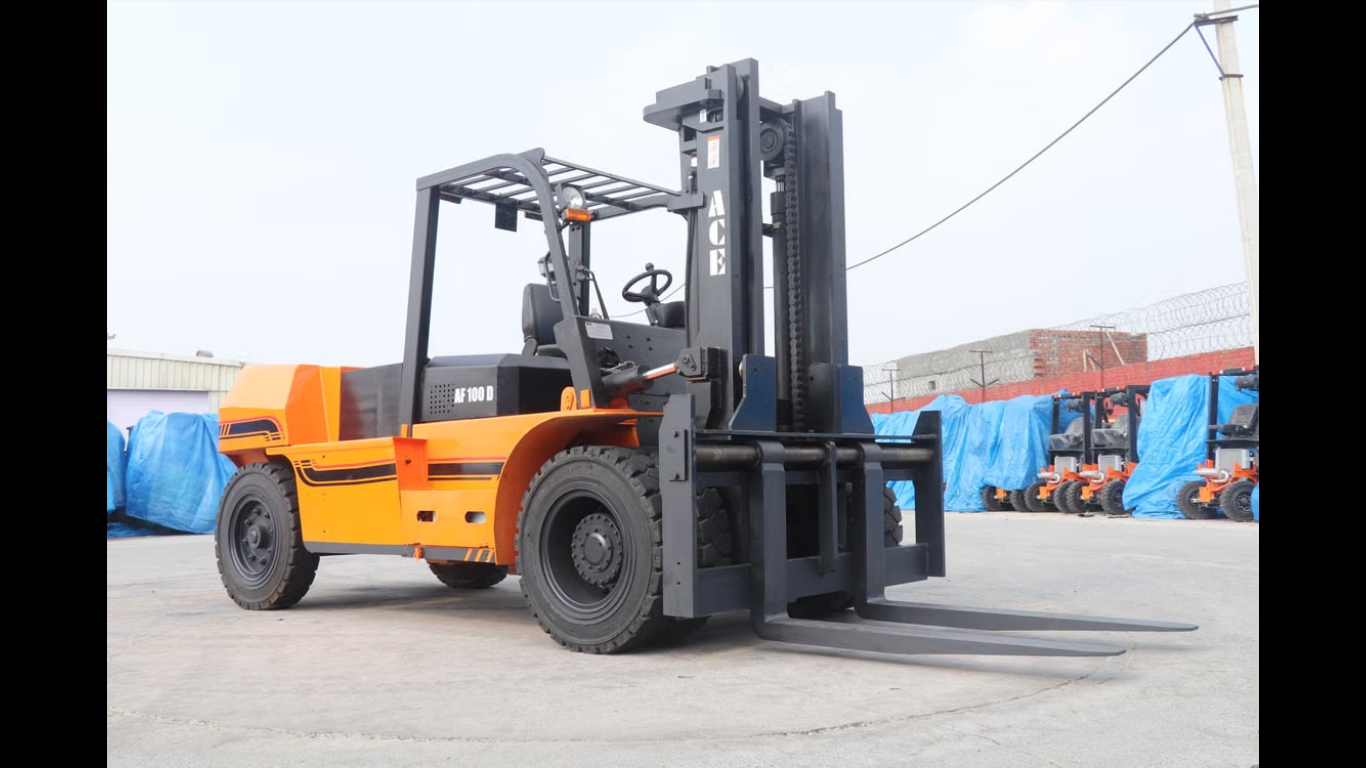
Instead of investing in equipment that may see little future use, renting helps solve immediate needs while preserving cash flow. If you’re comparing options, forklift rental guide can help identify the right equipment for your operation. This flexibility is especially valuable when future demand is uncertain.
Match Equipment to the Job
Choosing the right rental starts with understanding your workload. Consider load capacity, lift height, frequency of use, rental duration, and the work environment. Indoor warehouses often require different equipment than outdoor job sites, while narrow aisles demand different machines than open yards.
Operator experience also matters. Equipment that fits naturally into your team’s workflow can improve efficiency and reduce delays from the first day of use.
Look Beyond the Rental Rate
The quoted rental price is only part of the total cost. Ask about delivery, pickup, fuel or battery charging, insurance, and maintenance responsibilities. Some rental agreements include service support, while others place more responsibility on the customer.
Downtime should also factor into your decision. If equipment fails during a busy period, lost productivity and delayed projects can cost far more than the rental itself. Evaluating overall value—not just the daily rate—helps prevent unexpected expenses.
Rent When Demand Requires It
One of renting’s biggest advantages is flexibility. Businesses can add equipment during busy periods and return it when demand slows.
This works well for seasonal inventory increases, construction projects with changing equipment needs, facility relocations, temporary storage operations, and event logistics. Renting allows companies to scale operations without carrying the long-term financial burden of ownership.
Prioritize Safety
Rental equipment should be treated with the same care as owned equipment. Operators should understand the controls, visibility, braking, and load-handling characteristics before use.
Inspect the work area for hazards such as wet floors, uneven surfaces, low clearances, or congested aisles. Always follow load limits and inspect the machine before each shift for leaks, damage, worn components, or charging issues. A quick inspection can prevent costly downtime and improve workplace safety.
Questions to Ask Before Renting
Before signing a rental agreement, make sure you understand what’s included and how support is handled. Ask questions such as:
- Is the equipment available for the required dates?
- What happens if the project lasts longer than expected?
- How quickly is service available if the equipment breaks down?
- Is a replacement machine provided during downtime?
- Who is responsible for maintenance?
- Are delivery, pickup, fuel, or charging billed separately?
- What operator training is required?
- Are there limits on hours of use or job site conditions?
Comparing providers on service, reliability, and support—not just price—can help avoid costly interruptions. A slightly higher rental rate may provide faster repairs, better maintenance, and replacement equipment when needed, delivering greater value over the life of the project.
Article received via email