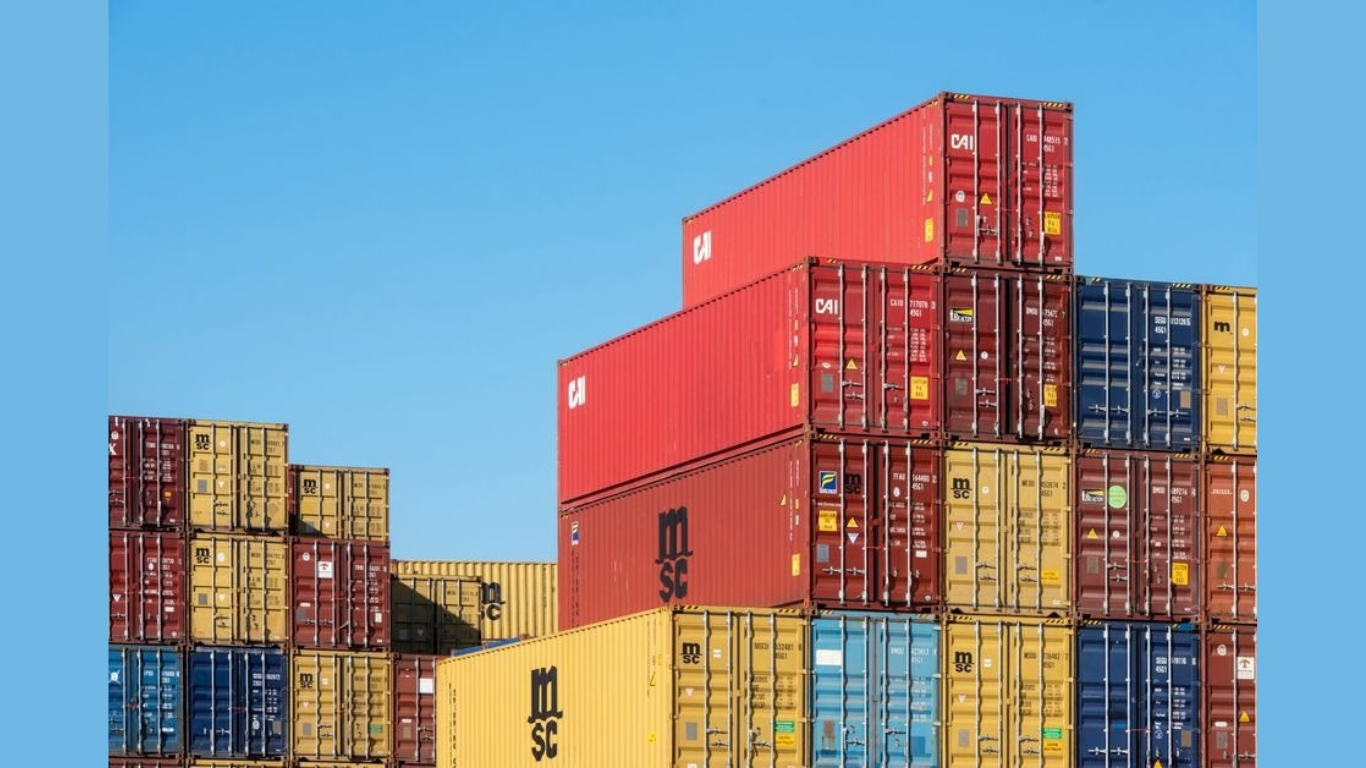
Buying materials from a supplier in another country involves far more than agreeing on a price. Currencies shift between the order and the payment. Regulations differ at each border the goods cross.
A factory closure or a port delay thousands of miles away lands on a production schedule that had no visibility into it. Organizations that manage this well treat sourcing as a strategic function rather than an administrative one, and the people who run it need judgment that goes beyond negotiating rates.
Where Procurement Skill Gets Built
Professionals who want to manage international sourcing at a senior level need grounding in logistics, inventory flows, and global supply chain strategy that daily practice alone rarely provides. Southern Utah University offers an online MBA Supply Chain program accredited by AACSB, taught by faculty who use case studies and simulations to build practical expertise rather than abstract familiarity.
The online delivery works around a working schedule, and the coursework supports pursuit of the APICS Certificate in Planning and Inventory Management credential.
Choosing Where to Source From
The sourcing decision looks simple when framed as a cost comparison and is anything but. Unit price is one input among many, and organizations that optimize for it alone tend to discover the other inputs the hard way.
Distance carries cost that does not appear on an invoice. Longer transit means more inventory sitting in transit, more capital tied up, and more time between identifying a quality problem and being able to correct it. A supplier three weeks away is a different proposition from one three days away, even at identical price.
Concentration is the other trap. Sourcing a critical component from a single supplier, or from several suppliers within the same region, creates a dependency that works fine until it doesn’t.
Managing Risk Before It Becomes Disruption
Risk management in sourcing means identifying what could break and deciding in advance how the organization would respond. The exercise is uncomfortable because it requires imagining failures that have not happened and spending money against them.
The alternative is worse. Organizations without contingency plans respond to disruption by improvising under pressure, usually at a cost far exceeding what preparation would have required.
Inventory as a Deliberate Choice
Every unit held in inventory represents money that could be doing something else, which creates constant pressure to hold less. Every unit not held represents a risk of being unable to meet demand, which creates pressure to hold more. The right level sits somewhere between, and finding it requires more than intuition.
Material requirements planning provides the structure. Working backward from expected demand through the components and lead times required to meet it produces a schedule of what needs to arrive when.
Measuring What Actually Matters
Performance measurement in operations tends to accumulate metrics faster than insight. Organizations track dozens of numbers, most of which nobody acts on, while the handful that would change decisions get lost among them.
Useful measurement starts from the decision it is meant to inform. If a number would not change any action regardless of its value, tracking it is a habit rather than a practice.
Sustainability as an Operational Constraint
Environmental and social requirements now shape sourcing decisions in concrete ways. Regulations govern what can be imported and under what conditions. Customers and partners ask questions about labor practices and environmental impact that require documented answers rather than assurances.
Proactively identifying these challenges is considerably cheaper than responding after a problem surfaces. A supplier whose practices would not survive scrutiny represents a risk that grows quietly until something exposes it, at which point the cost includes not just replacing the supplier but repairing damage.
Improving Processes Rather Than Managing Around Them
Persistent problems in operations usually reflect process design rather than individual failure. A step that regularly produces errors is a step designed badly, and asking people to be more careful is a poor substitute for fixing it.
Quality management and process improvement offer structured approaches to finding where variation enters a system and reducing it. Work design determines whether tasks can be performed consistently or depend on individual skill and attention to come out right.
Blog received via e-mail