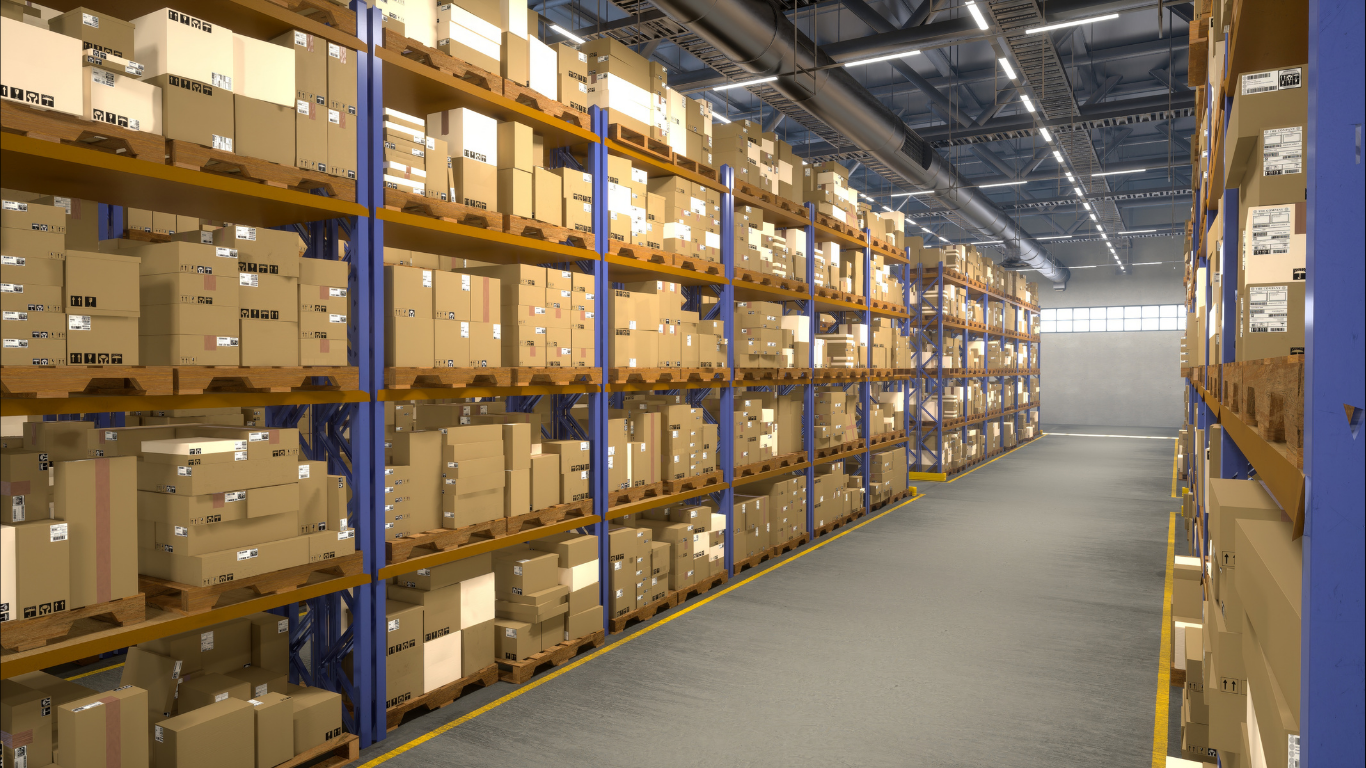
Automated warehouse management systems help retailers track inventory in real time across multiple sales channels.
U.S. e-commerce sales hit $326.7 billion in Q1 2026, up 9.8% year-over-year, according to the U.S. Census Bureau’s Quarterly Retail E-Commerce Sales Report. That’s a growth headline boardrooms like. But underneath it sits a less comfortable number: courier price inflation is climbing far faster than the general rate increases carriers announce each year.
For a growing number of retailers, fulfillment isn’t a back-office detail anymore. It’s showing up in the margin line, and finance is noticing before operations flags it.
The Rising Cost of Doing It Yourself
Rising courier surcharges and fuel costs are pushing more retailers to rethink in-house shipping operations.
UPS and FedEx both announced general rate increases of around 5.9% for 2026. That’s the number that makes headlines. It’s not the number that matters. Courier PPI accelerated to 8.5% in January, then jumped to 12.3% by April, according to ReadyCloud’s 2026 shipping data. Fuel surcharges and weight fees stack on top of the sticker rate, none of which show up in the carrier’s published increase.
Run fulfillment in-house and you absorb every hike directly, often a full billing cycle before finance catches the trend. Add labor, warehouse space, and inventory software, and true cost often lands 25-40% above the carrier rate card. That gap is why more retailers turn to dedicated ecommerce fulfillment services that negotiate volume-based carrier rates and spread shipments across multiple couriers instead of absorbing single-carrier swings alone.
Why Outsourcing Keeps Growing
Roughly 60% of online retailers now outsource at least part of their fulfillment, and about 20% have handed off the entire process, per Capital One Shopping Research’s 2026 data. That’s closer to a default than a niche move for brands past the startup stage.
Part of the shift is geographic. 44% of brands plan to add fulfillment centers this year. Moving from two centers to four can cut delivery time from five or six days to roughly two and a half, a jump single-warehouse operations can’t match without years of capital investment. Carrier decisions have become finance questions, not just logistics ones.
What Outsourced Fulfillment Actually Solves
Consumer patience with shipping costs has thinned. Ringly’s 2026 shipping report found 54% of consumers name high delivery costs as their top shopping frustration, and 88% would rather have free shipping than fast shipping.

That shifts what “good fulfillment” means: less speed at any cost, more consistent delivery with transparent pricing. A partner syncing orders across Shopify, Amazon, Walmart, and direct-to-consumer through one inventory pool holds that balance better than a single warehouse during peak weeks. Returns handling falls into the same bucket, since manual returns absorb costs a fulfillment partner has already priced in.
Choosing the Right Fulfillment Partner
Real-time visibility into orders and inventory levels is now a baseline expectation for fulfillment partners.
Not every 3PL is built the same way, and the wrong pick erases the cost benefit. A few things worth checking first:
- Technology integration. The warehouse management system should plug directly into your sales channels, not require manual exports.
- No punishing minimums. Growing brands need room to scale order volume without renegotiating terms every quarter.
- Accuracy and verification. Ask about mis-ship rates. A cheap rate paired with sloppy picking accuracy costs more in refunds than it saves.
- Cross-border readiness. With tariff and de minimis rules shifting, existing compliance experience saves months of setup time.
None of this is about the cheapest quote. It’s about a partner whose cost structure matches how your business ships today, not three years ago, something we covered in the unexpected upside of US cross-border changes for global retail.
The Bottom Line
Courier costs aren’t going back down, and the gap between headline rate increases and real-world cost inflation isn’t closing on its own. Retailers still treating fulfillment as a once-a-year line item are the ones most exposed when the next surcharge cycle hits.
The businesses protecting margin through 2026 are asking a different question: not “how do we ship packages,” but “who should we partner with to ship them.” That’s a finance conversation as much as a logistics one, and it’s overdue in most boardrooms.
Article received via email