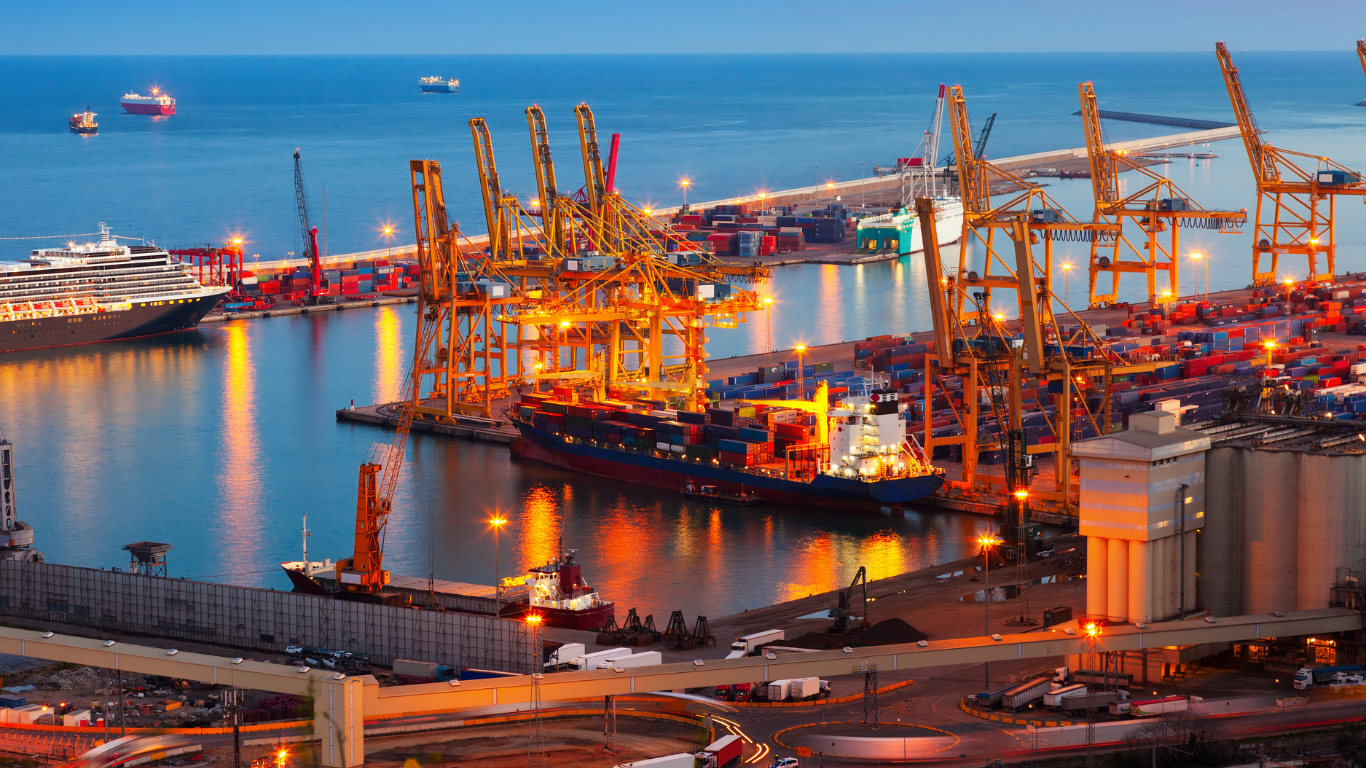
China is still the workshop of the world. In 2024, the country shipped out a record 25.45 trillion yuan of goods, roughly US$3.5 trillion, a rise of 7.1% on the year before (Global Times, citing China Customs).
From electronics in Germany to homeware in Australia and machine parts in the United States, businesses everywhere rely on Chinese factories to keep their shelves full and their production lines moving.
But buying from the other side of the world is not the same as buying down the road. The distances are longer, the paperwork is heavier, and a small slip early on can turn into a big bill later. Importers lose money every year on charges they did not see coming and delays they could have planned around.
Here are five of the most common, and most expensive, mistakes, and how to avoid them.
1. Not checking your supplier properly
The lowest quote is not always the best deal. Plenty of importers have paid a deposit to a factory that turned out to be a trading company, sent the wrong goods, or simply went quiet. When your supplier is thousands of miles away, doing your homework first is your best protection.
Before you place a first order, it pays to:
- Ask for the factory’s business licence and check it against official records
- Order a paid sample rather than trusting photos alone
- Use a third-party inspection to check goods before they leave China
- Agree clear payment terms, and be wary of paying 100% up front
- Get everything, quantities, materials, sizes, tolerances, in writing
A short check at the start costs far less than a container of goods you cannot sell.
2. Getting your customs classification and duties wrong
Every product you import has a commodity code, and that code decides how much duty and tax you pay. Guess it, and you either overpay for years or underpay and face a bill, plus penalties, when customs catches up.
This is where importing into Britain trips people up. A UK business bringing goods in from China has to account for import duty and then 20% import VAT on top of the value of the goods, the shipping and the duty combined.
Get the code wrong on a large shipment and the difference can run into thousands of pounds. It’s worth remembering that the UK bought £69.7 billion of goods from China in the 12 months to the end of 2025, up 3.5% on the year before (UK Government China trade factsheet), so this is a well-trodden route, and customs know it well.
To stay on the right side of it
- Confirm the correct commodity code before you ship, not after
- Check whether your goods need any licences, certificates or safety marks
- Keep your invoices and packing lists accurate and matching
- Factor duty and VAT into your pricing from the very start
3. Choosing the wrong shipping method
Sea, air or rail, each has its place and picking the wrong one eats into your margin. Air freight is quick but expensive, so paying to fly a pallet of low-value goods rarely makes sense. Sea freight is far cheaper for large or heavy loads, but it’s slower, so ordering too late leaves you short of stock.
A few pointers for when you decide:
- Use sea freight for bulky, heavy or non-urgent goods to keep costs down
- Use air freight for small, high-value or time-critical items
- Order early and build the transit time into your stock planning
- Remember that ports get busy around Chinese New Year, when factories close for a week or more
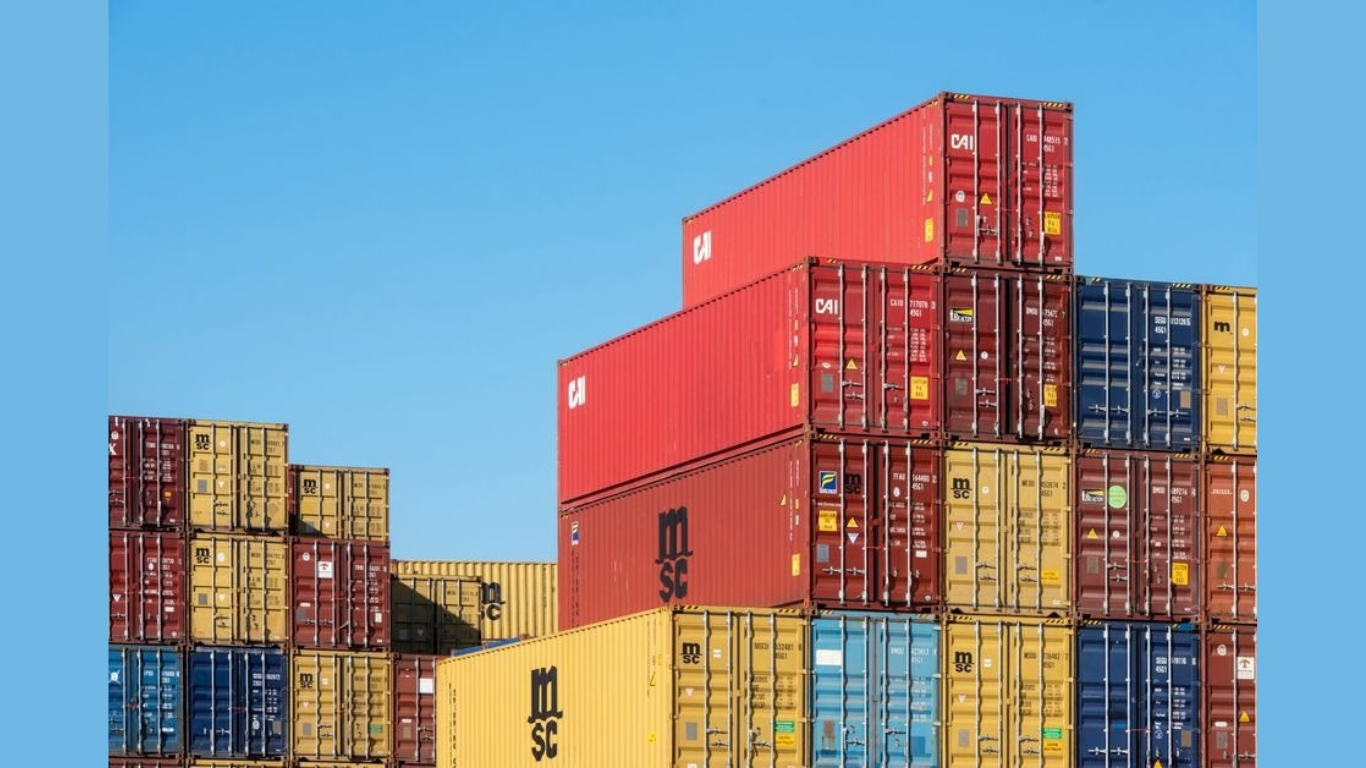
For most companies moving full or shared containers, sea freight China to the UK offers the best balance of cost and reliability, as long as you plan the lead time properly.
4. Misunderstanding Incoterms and hidden costs
Incoterms are the rules that decide who pays for what, and who is responsible if something goes wrong. Many first-time importers see a cheap “FOB” or “EXW” price and assume that is the full cost. It’s not. The price of the goods is only the beginning.
The total landed cost usually includes:
- The goods themselves and the factory’s packing
- Inland transport in China to the port or airport
- Ocean or air freight to your country
- Insurance for the goods in transit
- Import duty, VAT or sales tax, and customs charges
- Local delivery from the arrival port to your door
Agree the Incoterm in writing before you order, and ask for a full landed-cost estimate so there are no surprises when your goods arrive.
5. Trying to handle it all yourself
It’s tempting to save money by arranging everything on your own. But international shipping has a lot of moving parts, bookings, documents, customs entries, duty payments and delivery, and one missing form can hold a whole container at the port while charges pile up.
A good freight forwarder does this every day. Working with a freight forwarding partner can help you:
- Book the right space at a competitive rate
- Prepare and check your shipping documents
- Handle customs clearance and duty calculations
- Track your goods and warn you early if something slips
- Turn a stressful process into a routine one
For a growing business, the time and worry you save often outweigh the fee, and you avoid the costly mistakes that catch out those who go it alone.
The bottom line
Importing from China can be a real advantage for your business, but only if you go in with your eyes open. Check your suppliers, get your customs codes right, choose the correct shipping method, understand your true costs, and lean on people who know the route. Do that, and you turn a complex job into a dependable part of how you trade.
Article received via email