
Every growing business hits a wall. Stock builds up, seasonal demand throws plans off course, and things start to creak. Commercial storage offers a flexible fix, and smart companies now build it into their logistics from the start.
The Hidden Costs of Doing Without
Logistics is expensive, and much of that expense hides in plain sight. Overflowing stockrooms force staff to work around clutter, slowing down picking and packing. Rushed deliveries become more frequent when there is nowhere sensible to stage goods before dispatch. Customers notice the difference, even if they cannot name the cause.
Dedicated commercial storage removes much of this friction. Goods sit in organised, secure facilities until they are needed, so the main business premises stay focused on the work that generates revenue. Space that was once wasted on pallets and boxes can be returned to production, customer service, or simply breathing room for employees.
- Reduced risk of damaged or misplaced inventory
- Lower overheads compared to leasing additional warehouse space
- Better use of existing premises and staff time
Flexibility That Grows With the Business
One of the strongest arguments for commercial storage is that it scales. A retailer preparing for the Christmas rush can bring in extra stock without signing a five-year lease. A construction firm between projects can store equipment safely instead of leaving it exposed on site. When demand dips, the storage requirement shrinks accordingly.
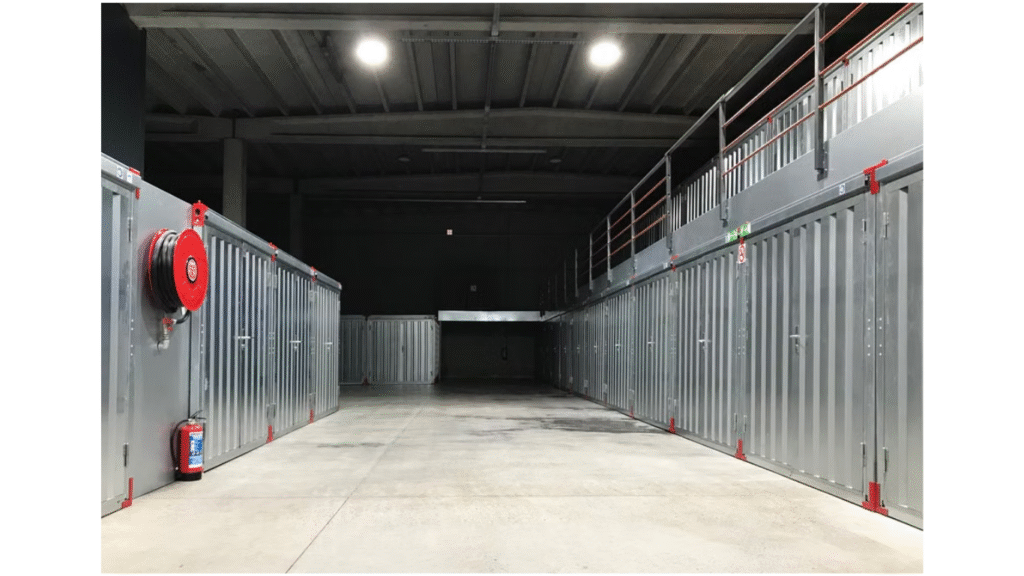
This flexibility matters most for small and mid-sized companies that cannot predict the next twelve months with any confidence. A UK-wide self storage provider typically offers units in a range of sizes, from a few square metres to full industrial bays, with short notice periods and straightforward terms. That kind of arrangement lets a business respond to opportunity rather than being held back by fixed costs.
Seasonal fluctuations, contract wins, and sudden shifts in consumer behaviour all become manageable when storage is treated as a variable expense rather than a permanent fixture. The result is a logistics operation that bends instead of breaking.
Better Inventory Control and Order Fulfilment
Storage does more than hold things. Modern commercial facilities often come with inventory management systems, barcode tracking, and secure access controls. These tools give businesses a clearer picture of what they own, where it sits, and when it needs to move.
That visibility pays off in fulfilment. Orders can be picked from a well-organised storage location and dispatched quickly, often on the same day. Mistakes drop, returns become easier to process, and customer satisfaction improves as a direct result. For businesses running e-commerce operations, this can be the difference between meeting delivery promises and losing repeat custom.
- Real-time stock visibility reduces over-ordering and stockouts
- Faster picking and packing shortens delivery times
- Secure facilities lower the risk of theft and loss
Supporting Distribution and Transportation
Storage also plays a quiet role in transport efficiency. Instead of sending multiple small shipments from a single overcrowded site, a business can consolidate goods at a storage facility and dispatch full loads. This reduces fuel costs, cuts the number of vehicles on the road, and lowers the carbon footprint.
Strategically located storage units can act as staging points between suppliers and customers. Goods arrive in bulk, get sorted, and leave in the right order. For companies serving customers across a wide area, this kind of hub-and-spoke arrangement keeps delivery times consistent without requiring a network of owned warehouses.
There is also a practical benefit during periods of disruption. When a supplier is late, a shipment is delayed, or a premises needs urgent repair, having stock held elsewhere provides a buffer. The business keeps trading while the problem is resolved.
A Strategic Tool, Not a Stopgap
Commercial storage has shed its image as a temporary fix for businesses that have run out of room. It now sits alongside transport, warehousing, and inventory planning as a genuine strategic asset. Companies that use it well gain agility, reduce fixed costs, and keep their operations running smoothly through change.
Businesses that get into trouble with storage usually do so because they only think about it when things have already gone wrong. The stockroom is bursting, a delivery is due, and suddenly everyone is scrambling for space. With storage already built into how they operate, they can say yes to bigger contracts, test new markets, and get through quiet spells without the usual panic. In a market where being able to move quickly counts for a lot, having somewhere sensible to put things is one of the easiest advantages to gain.
Article received via email