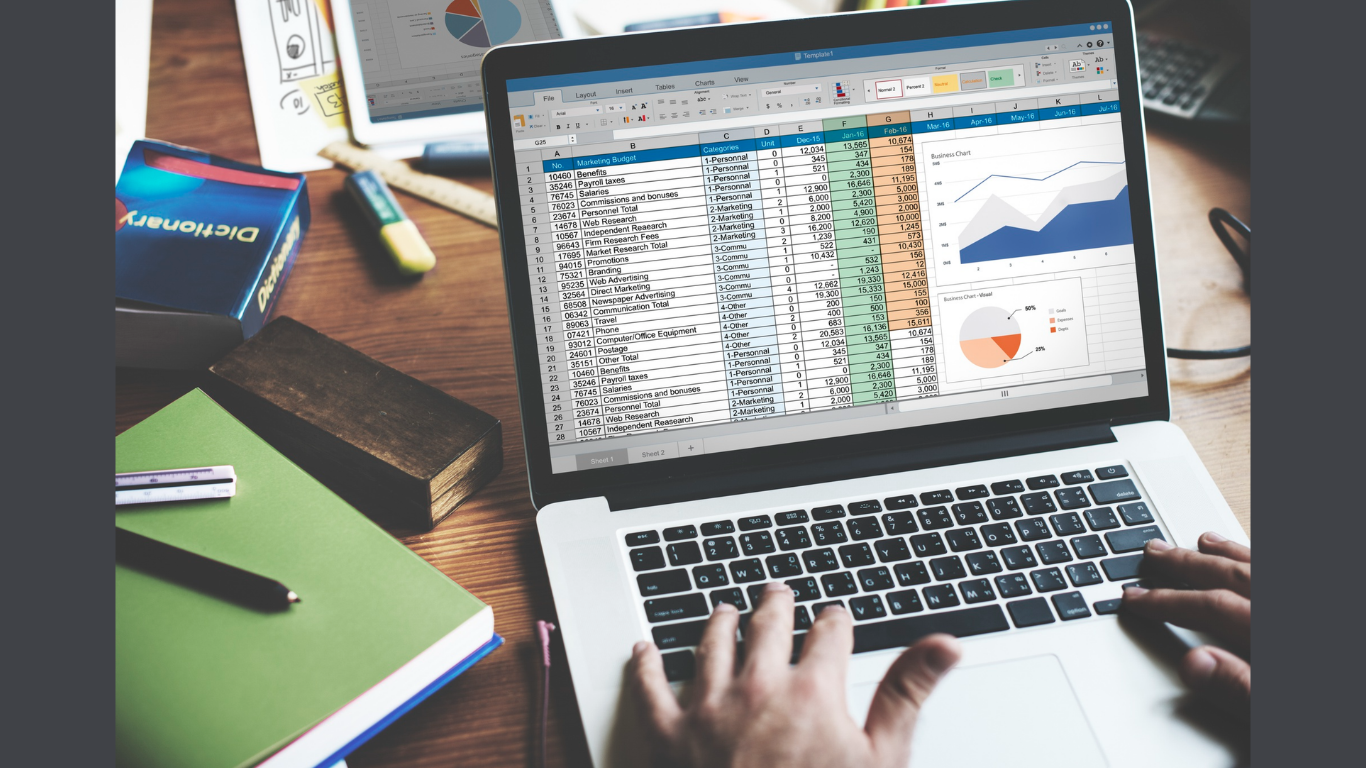
It’s safe to say that no modern business would be able to “survive” and thrive in today’s world without the help of technology. Almost every widespread digital tool has an integral role, from those used for customer service, communication, financial planning, inventory management, and such.
But what’s worth emphasizing is that you cannot expect these tools to magically solve all your company-related problems. If you want to make it happen, then you need to connect different systems in order for information to move seamlessly between sectors.
When firm operations are properly supported by integrated technology, then your workers do not need to waste their precious time trying to hunt down essential pieces of information, switching between disconnected platforms, and many other things.
There are a couple of benefits your organization can reap by integrating technology throughout the operations, and that’s what this article is going to cover below!
Access To Information Is Enhanced
The absolute biggest perk of having your tech integrated is that it makes hunting down important info completely effortless. When your business is running on a bunch of totally disconnected systems, your data ends up scattered all over the place.
Your team is forced to waste half their day digging through random spreadsheets, endless email threads, separate databases, and five different software platforms just to find a single metric.
It’s time-consuming, and it drastically increases the chances that someone is working off outdated or wrong information. Integrated systems completely smash those silos by pulling all your data together into one central spot for anyone who needs it.
Plus, managers can grab data from different departments to make quick decisions, instead of playing a brutal waiting game for multiple teams to manually stitch reports together.
Quality Management And Supplier Management Are Leveled Up!
Enterprises that are heavily reliant on suppliers need reliable processes for quality supervision, monitoring problems, etc. Disconnected systems can make this very hard because supplier data may be scattered across spreadsheets, purchasing platforms, quality records, and email conversations.
When relevant systems are connected, this results in better visibility throughout the supplier relationship. For businesses that want to build a more connected supplier quality management process, technology integration is their safest bet because it can offer a foundation for bringing quality, production, purchasing, and supplier information closer together. Something like this can simplify identification of recurring issues and, concurrently, better understand how supplier performance influences wider company operations.
Minimize Repetitive Manual Work
Tons of businesses are still wasting their time on complex tasks that could easily be automated or streamlined. Typing the exact same data into multiple different systems is a classic example. Your team members end up playing a human game of copy-paste, grabbing a piece of info from one department and manually adding it into another platform.
Aside from wasting a massive chunk of their day, this practically begs for typos, missed decimals, and weird data mismatches to slip into your system. Integrated tech completely fixes this by letting your software platforms talk to each other and swap data automatically.
This instantly eliminates that repetitive, nerve-wracking admin work, giving your employees their time back so they can actually focus on stuff that requires real human judgment, creativity, or face-to-face interaction with clients and coworkers.
Look, automation doesn’t have to be about replacing your team. Most of the time, its absolute biggest value is just taking the trash out of their daily workload so they can do their actual jobs.
Your Departments Will Have Much Better Communication
Even though every single department has different priorities, they are still heavily reliant on each other. For example, a sales team will need to contact operations. Operations may need a piece of purchasing information.
These are just some examples, but the point is that these teams depend on disconnected systems, and when that’s the case, the communication can become a lot more fragmented. Luckily, by virtue of technology integration, a more consistent flow of information is going to be made between different sectors.
Rather than relying fully on meetings and/or emails to exchange important information, the workforce can simply access shared information through connected platforms. Something like this will radically lower the risk of any type of misunderstanding.

The real benefit and value of technology can be seen when it is capable of helping different parts of business to collaborate together, which can easily happen when information and systems are connected.
Blog received via e-mail