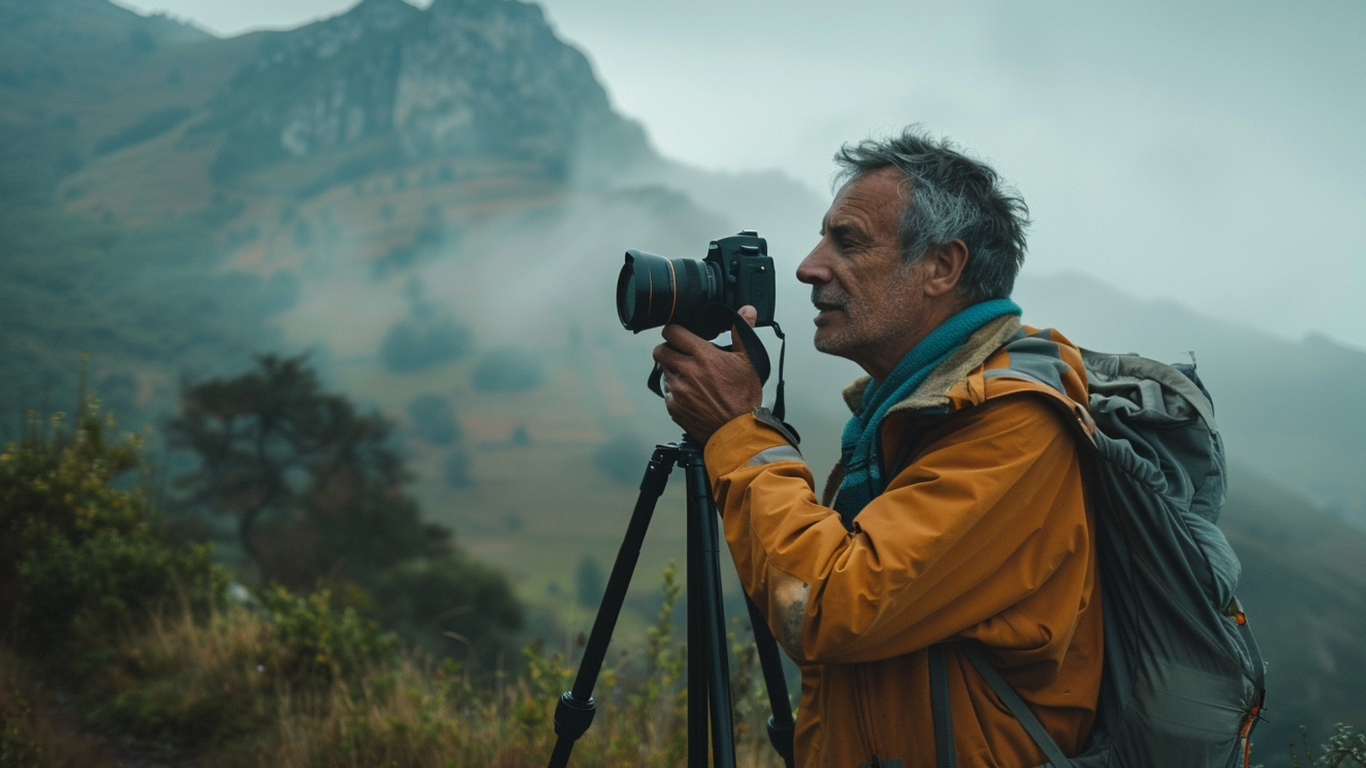
A camping trip is more than just a short getaway; rather, it is a unique experience that can contain peaceful, quiet sunsets, glowing campfires, and unforgettable times spent outdoors. Capturing your memories through pictures and videos is an excellent way to preserve the experience for future enjoyment. Anyone can create a beautiful story of the outdoors with a little planning and creativity. This article provides a general overview of a beginner’s guide for filming a camping adventure.
An Ultimate Guide to Filming the Camping Adventure
Plan What You Want to Capture
It is important to consider what you hope your video will demonstrate before you start shooting. Try to take wide scenic shots of nature, camp setup areas, and close-ups of the things that make your trip special. You can enhance your footage with activities such as hiking, cooking, or just sitting around the fire. Tackle the video as if it is a story, with an introduction (arrival), body (doing something), and conclusion (departure or reflection). This will add interest and structure to your video.
Use Simple Gear
You do not need to have big, expensive equipment to produce videos. You can use a cell phone with a good camera and a tripod, or set the camera on a stable surface (like a table or rock) while shooting videos as a beginner. If you want to improve the sound quality of your videos, you can use an external microphone (though it’s not necessary), but the built-in microphone on your cell phone will be just fine in quiet locations.
Capture Key Shots
Be sure to take photographs of items that represent your trip. Start by taking a photograph of yourself when you arrive at the campsite to create an introduction for your video. Take photographs of yourself pitching your tent and cooking; it will personalize your video. Take campfire photographs, as they will create a warm, sentimental feel for your video. Take photographs of hiking paths, beautiful views, and especially the sunrise and sunset.
Keep Audio and Lighting Natural
The best tools you have for outdoor shots are your natural lighting and sound. Take advantage of daylight hours for best visibility. The golden hour in the morning and evening is a great light for photography. Rather, record the relaxing sounds of the natural world, like birds calling, leaves moving in the wind, and crunching fire, to add to the enjoyment of your video.
Easily edit your video
After you have gathered all of your movie clips together, you need to edit the video to put the clips together. First, remove any unwanted clips and then arrange your video in a clear sequence. To enhance the enjoyment of your video, add some background music. It isn’t only important for people with hearing impairments to use closed captioning, it’s also helpful for people who watch videos without sound. Learning how to add subtitles to a video can help make your camping content more engaging and accessible across different platforms.
Share Your Adventure
Once it is edited, post your video on social media or your travel blog. Don’t strive for perfection; just tell your story at your own level. Real experiences resonate with people better than overly polished content.
Conclusion
It is important to note that you don’t need to be a pro in order to take great pictures while on a camping trip. Keep things simple, make use of what you have, and remember to have fun! Special videos are made in real time, so they remain in the moment, take the videos naturally, and let the story unfold.
Article received via email