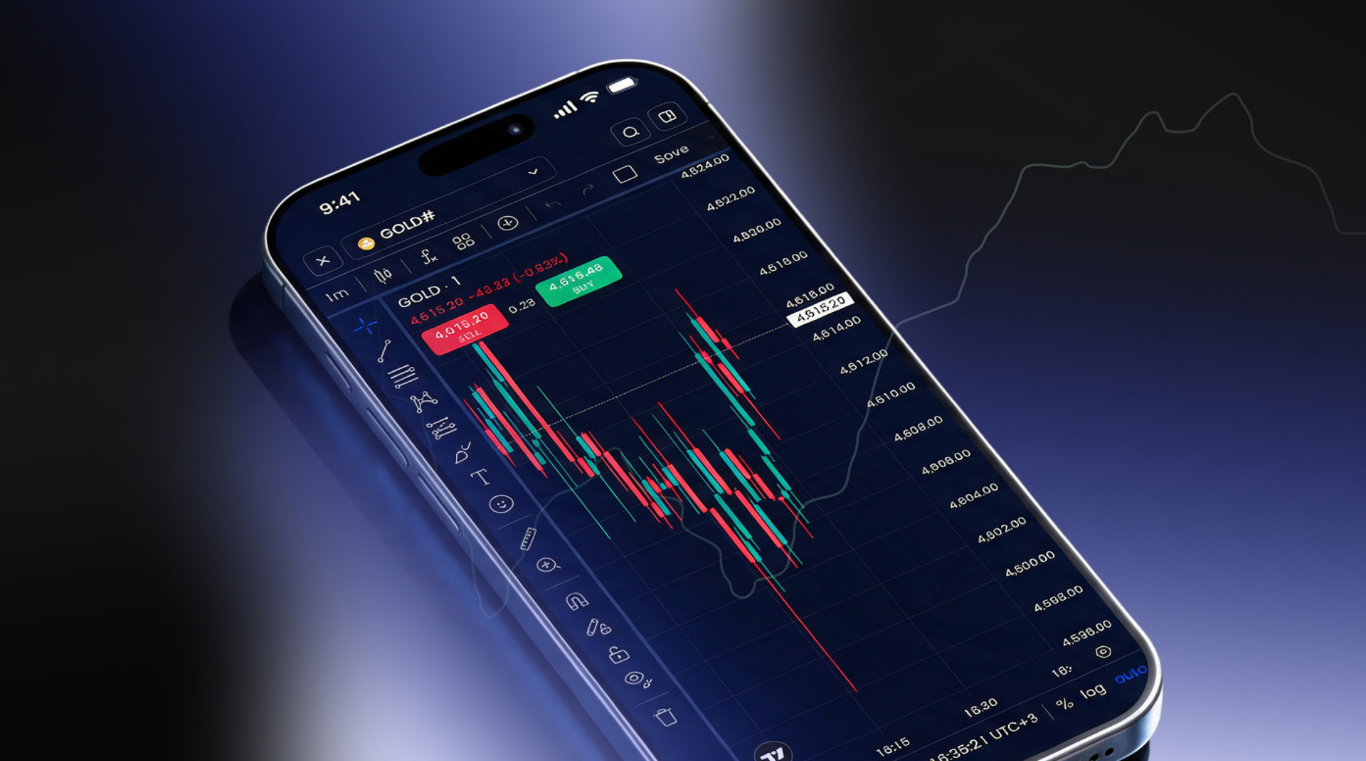
The investor trying to take liquid funds and convert them to physical precious metals faces an inherent problem: either timing short-term movements in spot prices or following a systematic approach. Whereas investment in paper vehicles, such as ETFs or futures, allows for intraday speculation, the buying of physical bullion involves different financial dynamics.
Deciding how and where to buy gold involves analyzing the factors that determine its value: macroeconomic factors, physical premiums, mint premiums, and vaulting dynamics. Preserving wealth requires the recognition of structural entry points as opposed to momentum play.
Macroeconomic Triggers: When Market Fundamentals Signal a Buying Window
Acquiring physical gold bars and coins requires analyzing macroeconomic indicators that influence global capital flows. The most reliable fundamental metric is the real interest rate—calculated as the nominal government bond yield minus inflation expectations. Because physical gold is a tangible store of value without credit or counterparty risk, it pays no yield. When real interest rates fall toward zero or enter negative territory, the opportunity cost of holding physical bullion drops significantly, creating a favorable macroeconomic environment for accumulation.
Central bank monetary policy shifts also offer clear entry signals. Periods of systemic currency debasement, quantitative easing, or aggressive balance sheet expansion by major central banks historically precede extended upward spot trends. However, institutional investors distinguish between quiet consolidation phases and panic-driven rallies.
Buying physical bullion during periods of low market volatility allows investors to acquire metal near wholesale spot prices. Conversely, attempting to allocate capital during acute geopolitical flashpoints usually results in paying elevated spot prices alongside inflated dealer premiums caused by sudden physical supply shortages.
Seasonal Price Cycles: Identifying Historical Lows
Beyond broader macroeconomic trends, physical gold exhibits recurring seasonal demand patterns driven by global commercial and cultural buying cycles. Historically, the spring and early summer months—typically stretching from May through July—frequently coincide with softer spot prices and reduced trading volume in global precious metals markets. During this mid-year lull, wholesale physical demand eases, causing dealer markups on bars and coins to compress.
Conversely, structural demand rises during the fourth and first quarters of the calendar year. This multi-month rally is supported by commercial jewelry manufacturing, physical stocking ahead of India’s festival season (Diwali), end-of-year institutional portfolio rebalancing, and consumer accumulation surrounding the Lunar New Year across Asian markets. Investors who schedule physical allocations during the Q2 and early Q3 consolidation window position themselves ahead of these predictable seasonal demand surges.
Strategic Execution: How and Where to Acquire Physical Bullion
Timing a physical purchase requires selecting the appropriate asset format and execution method. High-net-worth individuals and family offices typically choose between sovereign gold coins and investment-grade bullion bars:
- Sovereign Gold Coins: Government-minted coins (such as American Eagles, Canadian Maples, or South African Krugerrands) offer maximum legal tender recognition and high retail liquidity, though they carry higher fabrication premiums per ounce.
- Bullion Bars: Cast or minted bars ranging from 100 grams to one kilogram (32.15 troy ounces) offer substantially lower premiums per gram, making them the most cost-effective vehicle for significant capital deployment.
Instead of allocating the full capital amount into one deal, institutional investors opt for tranche buying or dollar-cost averaging (DCA). By splitting the capital in systematic buys for up to three to six months, institutional buyers lower the effects of market volatility and avoid buying at the peak. Working with specialized private wealth firms provides institutional-grade access for investors analyzing where to buy gold with bespoke international sourcing, tax-free jurisdictional storage, and direct liquidity options.
Analytical Decision Matrix: Gold Buying Indicators
Evaluating market conditions against technical indicators helps structure disciplined capital entry:
| Market Trigger | Primary Technical Cause | Expected Spot/Premium Effect | Recommended Action |
| Seasonal Summer Lull | Off-peak physical demand in Q2/early Q3 | Lower spot prices; compressed dealer premiums | Execute scheduled tranche purchases |
| Macro Interest Rate Pivot | Declining real yields and central bank easing | Upward spot pressure; steady physical premiums | Initiate core strategic allocations |
| Spot Price Correction (3–5%) | Technical profit-taking in paper futures markets | Temporary spot pullbacks; stable physical supply | Utilize limit orders to absorb dips |
| Geopolitical Flashpoint | Sudden safe-haven rush and retail panic | Spiking spot prices; surging physical premiums | Avoid chasing spikes; hold existing allocation |
Critical Pitfalls to Avoid When Timing Your Purchase
Executing physical precious metals transactions requires avoiding common strategic mistakes that erode long-term returns:
- Chasing Panic Rallies: Buying during acute news headlines forces investors to absorb peak spot prices and expanded physical premiums driven by retail fear.
- Overlooking Fabrication Markups: Purchasing small-denomination fractional coins or ornamental bars inflates total acquisition costs through high manufacturing premiums per gram.
- Ignoring Secure Storage Logistics: Failing to arrange allocated, segregated, and fully insured vaulting in reputable international jurisdictions prior to purchase introduces unnecessary counterparty and operational risks.
Conclusion
Ultimately, acquiring physical gold bars and coins is a timing game of patience in the market, not market timing. Physical gold provides a clean anchor for wealth preservation without any counterparty risks.
By keeping track of the movements in real interest rates, making use of mid-year seasonal dips, following a systematic tranche approach, and collaborating with institutional vaulting partners, the precious metal holdings can be built up to preserve one’s capital on a generational scale.
Article received via email