For years, buying the standard bundle, like servers, software, and cloud, was enough. Now, business moves faster than vendor updates. Custom builds aren’t just trendy; they’re how you survive without being stuck with last decade’s toolkit.
Why Off-the-Shelf Software Hits a Ceiling
Vendor software solves yesterday’s problems elegantly. The issue arises when a business grows, pivots, or acquires a niche competitor. Suddenly, the CRM or ERP that worked for three years requires ten workarounds, four third-party plugins, and a full-time integration specialist.
- Feature bloat: Most enterprise software includes 70% features no one uses, slowing down the 30% the team actually needs.
- Integration nightmares: APIs change without warning. Legacy connectors break after every quarterly update.
- Per-seat pricing traps: Adding a new department or seasonal team exposes costs, penalizing growth instead of enabling it.
- Black-box dependencies: When a vendor drops support for a critical workflow, the business has no recourse but to wait or pay for custom patches.
Hardware Is Not a Commodity Anymore
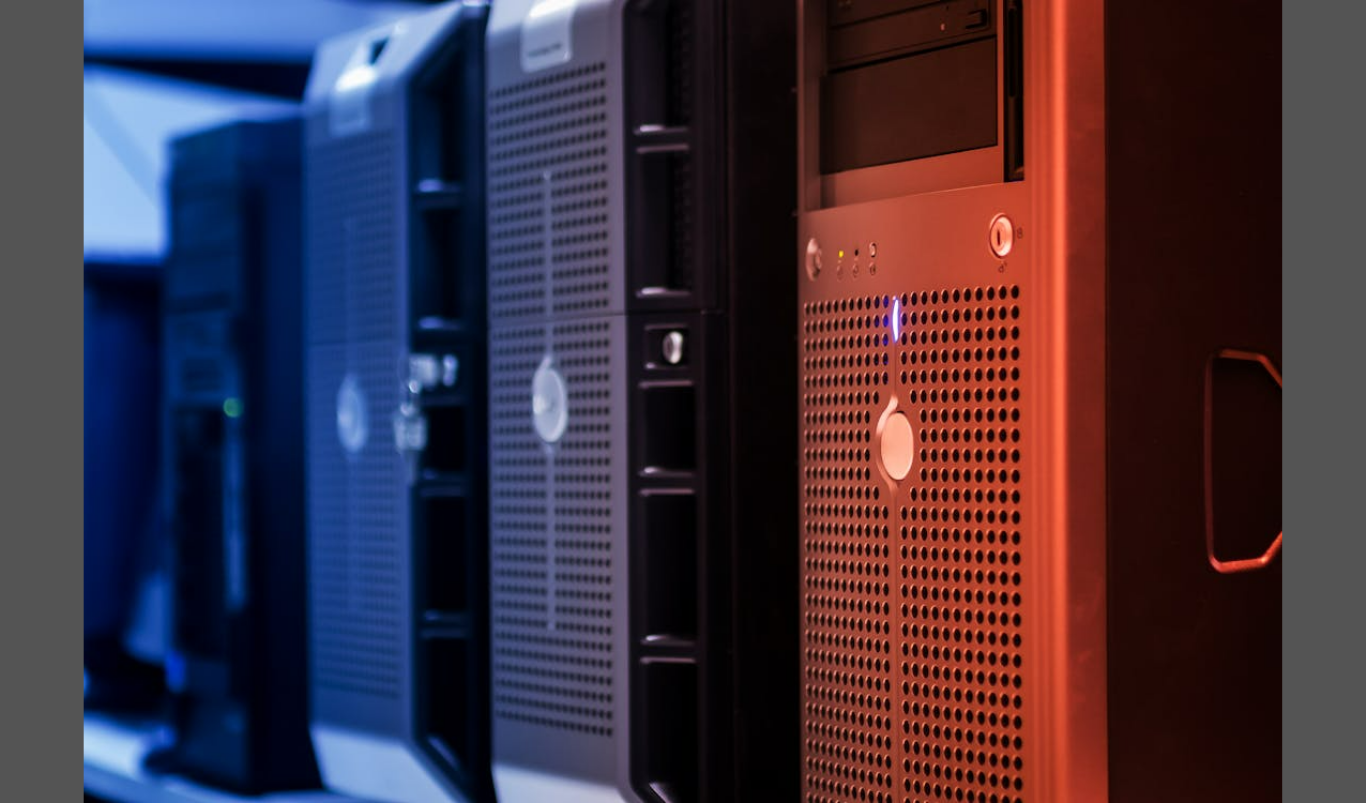
The second mistake enterprises make is treating hardware like interchangeable blocks. Standard desktops and rack servers work fine for email and basic databases. But AI inference, real-time analytics, and simulation workloads demand purpose-built iron. This is where the gap between generic hardware and tailored machines becomes a competitive chasm. Consider how Novatech Gaming (custom PCs and AI workstations built for gaming) has shown that high-performance components arranged for specific tasks: low latency, parallel GPU processing, thermal tuning, outperform any pre-configured corporate workstation. The same principle applies beyond gaming.
- Workload-specific cooling: A financial modeling server running Monte Carlo simulations 24/7 needs a different thermal design than a general VM host.
- Storage topology: AI training benefits from NVMe-over-fabric; archival storage can use slower, denser spinning disks. Mixing them in one chassis lowers performance.
- Expansion headroom: Custom chassis allows extra PCIe lanes for future accelerators. Most off-the-shelf servers have exactly zero spare lanes after basic networking.
- Power efficiency: Matching PSU ratings to actual load curves, not average estimates, saves thousands in electricity and cooling over three years.
Building for Adaptability, Not Just Scalability
Scalability is about handling more of the same. Adaptability is about handling the unexpected. Custom builds shine here because the architecture is owned, not rented. A team can refactor modules, swap databases, or change message brokers without begging a vendor for a feature request.
- Modular codebases: Custom software can be broken into microservices that get rewritten one at a time. Monolithic vendor apps require forklift upgrades.
- Data portability: With an in-house build, data schemas are documented and controlled. Migrating to a new storage layer takes weeks, not months of reverse-engineering.
- No forced upgrades: A vendor might deprecate a beloved UI or pricing model overnight. Custom builds put that decision back in the enterprise’s hands.
- Security by design, not by patch cycle: Proprietary code can be audited and hardened continuously. Waiting for a vendor’s monthly patch cycle leaves known vulnerabilities open.
The Real Cost Calculation: Build vs. Buy Over Five Years
Buying looks cheaper on a purchase order. But the total cost of ownership tells a different story. Licensing fees, integration middleware, training, and lost productivity due to mismatched features accumulate silently.

| Cost factor | Off-the-shelf (5 years) | Custom build (5 years) |
| Initial license/purchase | $120,000 | $180,000 (development) |
| Annual subscriptions | 50,000(10k/year) | $0 |
| Integration & maintenance | $80,000 (plugins, consultants) | $40,000 (in-house team) |
| Feature gap workarounds | $60,000 (manual processes) | $0 |
| Total | $310,000 | $220,000 |
Hidden savings of building: Full ownership of IP. No surprise price hikes. Ability to sell or license the custom tool to other non-competing businesses.
Hidden costs of buying: Lost opportunity: the months spent waiting for vendor features that never arrive. Employee frustration from clunky workflows.
Migrating Without Mayhem: Practical First Steps
Shifting to custom builds sounds expensive and risky. It doesn’t have to be. The key is starting small, targeting pain points, and preserving hybrid options.
- Identify the top three workflow frictions: Which off-the-shelf tool makes employees groan every morning? That’s the first candidate for replacement.
- Adopt low-code for quick wins: Use platforms like Retool or Budibase to build internal tools that replace spreadsheets and manual reports. Prove value in weeks, not months.
- Pilot a custom hardware cluster: Instead of replacing all workstations, buy a small batch of custom AI or data-crunching nodes. Measure performance per watt and per dollar against vendor equivalents.
The enterprises that thrive in the next decade won’t be the ones with the largest IT budgets. They will be the ones with permission to build. Custom hardware, tailored software, and the courage to abandon shrink-wrapped mediocrity; that is the actual future-proofing.
Article received via email