
One Australian grocery brand cut 20 percent of its promo calendar last quarter. Revenue held steady, and margin improved.
The shift did not come from a new pricing tool. It came from a shopper insights system that turned noisy signals into fast go or no-go decisions.
Australian retail is under real margin pressure. Promo-heavy grocery aisles, softer discretionary demand, and higher retail media spend leave little room for guesswork. Australians spent $82.6 billion online in 2025, up 14 percent year over year, and online now makes up 24 percent of total retail spend.
The brands pulling ahead connect pricing, assortment, media, ecommerce, and launch decisions to the same shopper evidence.
Key Takeaways
The fastest wins come from fixing the places where margin leaks first.
- Shopper insights combine stated needs with real shelf and site behaviour.
- One shared insights loop keeps Category, ecommerce, Media, and Finance aligned.
- Promo waste, weak retail media targeting, and SKU bloat usually pay back first.
- Measure incrementality, not platform ROAS alone, and track decision speed.
- Privacy-by-design matters from day one when loyalty, media, and transaction data meet.
Shopper Insights Defined
Shopper insights explain how, where, and why people buy by linking motivation to observed behaviour. Consumer insights may tell you shoppers want healthier snacks. Shopper insights show they picked a rival pack because your price-per-hundred-gram cue sat below the fold.
Useful inputs include loyalty data, point-of-sale results, ecommerce analytics, retail media network, or RMN, exposure logs, shop-alongs, and quick surveys. The outputs leaders use are price elasticity, promo lift versus cannibalisation, clear SKU roles, and product detail page, or PDP, blockers.
Growth Levers That Matter
These five levers usually produce the clearest commercial gains.
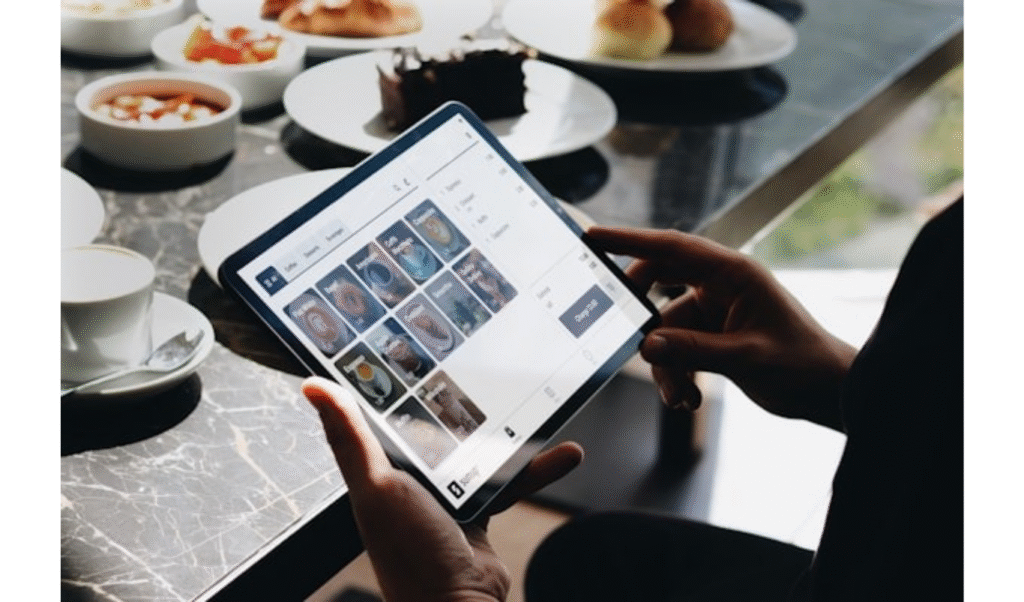
Pricing and Promotions. The ACCC supermarkets inquiry shows shoppers have adapted to promotion cycles. Start with a baseline, run a holdout, and read net margin lift so you can cut unprofitable depth first.
Assortment and Shelf. Planogram tests can lift sales when the right products move into stronger positions. One cited field experiment found about a 4.32 percent sales gain, and items just below eye level sold far better than bottom-shelf products.
Retail Media Networks. Seven in ten Australian advertisers increased RMN spending in the past year, and 77 percent now use three or more networks. Use loyalty and PDP signals to refine audiences, cap frequency, and validate incrementality with geo-matched tests.
eCommerce Conversion. Track PDP micro-conversions such as image zooms, reviews read, and delivery options viewed. Then fix the assets most likely to reduce substitution and cart drop-off.
Launch Optimisation. Run micro-market tests across a limited set of stores and SKUs, then check shopper missions before national rollout.
High-Impact Use Cases
Apply insights where budgets and decision rights already sit to shorten time to value.
Personalisation can lift revenue 5 to 15 percent and raise marketing ROI 10 to 30 percent at scale. Align in-store and online value messages around Black Friday and EOFY, but do not let peak events train shoppers to buy only on deal.
| Criteria | In-House Team | Agency Partner | Self-Serve Platform |
|---|---|---|---|
| Best For | Long-term IP | Fast fieldwork, local compliance | Quick diagnostics |
| Speed to Insight | Slower ramp | Weeks | Days |
| Talent Required | Data science plus shopper methods | Managed by partner | Analyst-level |
| Typical Pitfall | Skill gaps | Handoff gaps | Shallow depth |
An external partner helps when you need local fieldwork, fast test cycles, or in-aisle work at scale. A typical brief might cover a six-week shelf and PDP test across 20 stores and 50 SKUs, with recruitment, store coordination, weekly reporting, compliance checks, and debrief handled end-to-end by one local team. For speed and APP-aligned execution, a leading shopper insights agency can help.
Privacy, Measurement, and a 90-Day Start
Privacy and measurement only matter if they are built into the work from the start. Under the Privacy Act 1988, Australian Privacy Principle 6 limits use and disclosure of personal information to the primary purpose unless an exception applies. The 2024 amendment tightened obligations further, and Consumer Data Right rules add safeguards for accredited recipients.
Finance teams trust causal designs, not vanity metrics. Use pre-post tests with controls, geo-experiments, or matched cohorts, and require category-level holdouts instead of relying on ROAS alone.
A practical 90-day start is simple. Stand up the data spine, agree on two or three tests, read results by week ten, and scale the winners by week twelve.
Building the Operating System
Shopper insights work best as a routine, not a one-off project. A weekly forum with owners for pricing, assortment, media, and PDP metrics turns single tests into repeatable gains.
FAQ
These answers help teams scope the work before they launch a first test.
What is the difference between consumer and shopper insights?
Consumer insights describe needs and attitudes. Shopper insights explain behaviour at the point of purchase.
How fast can we see results?
RMN or PDP tests can show a read in two to four weeks, while planogram tests usually need six to eight.
Which RMN metrics should we trust?
Trust holdout or geo-based results at the category level, then judge incremental profit after trade and media spend.
Do shopper insights work for higher-consideration categories?
Yes. They shape mission design, cross-sell strategy, and PDP content even when purchase trips are infrequent.
What are the top privacy watch-outs in Australia?
Watch APP 6 purpose limits, sensitive-data consent, and strong de-identification before datasets are linked.
When should we bring in an external partner?
Bring in a specialist when you need fast recruitment, store testing at scale, or methods your team lacks.
Article received via email