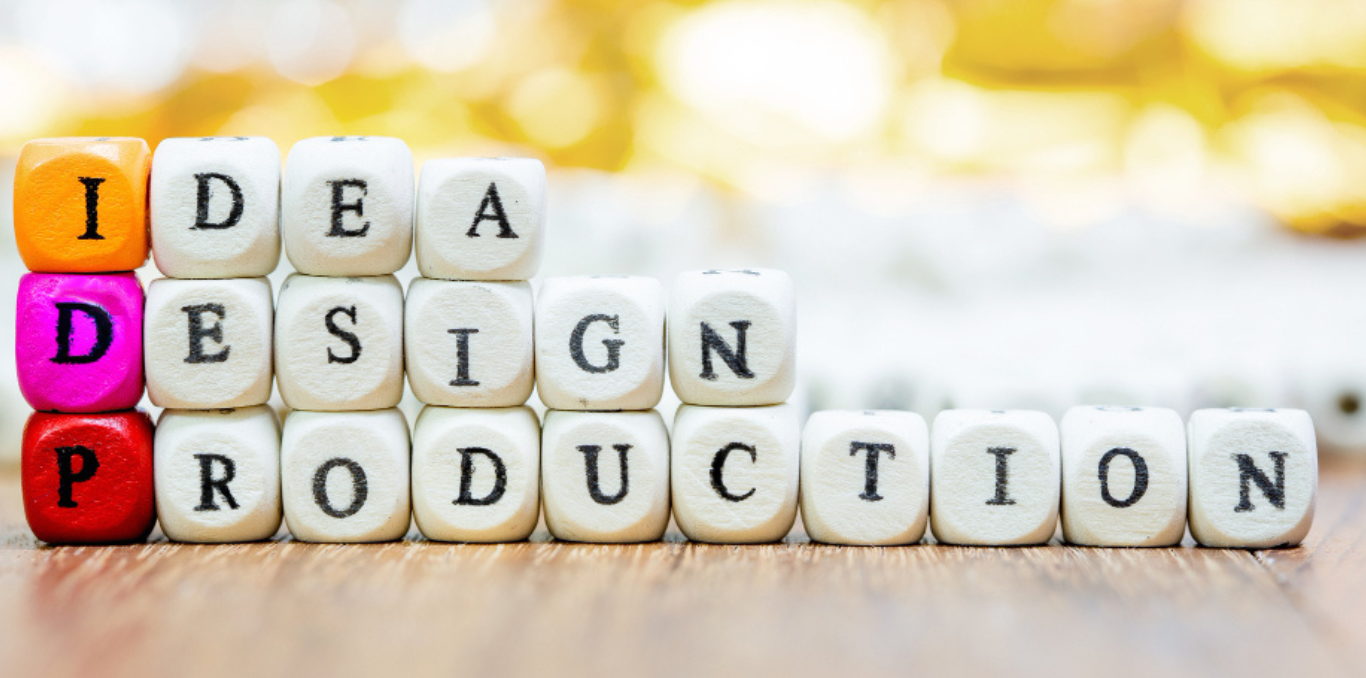
Creating a successful new product with a solid market presence is significantly dependent upon the integration of many more factors beyond just innovative thought when you are trying to create a new product in today’s very competitive global marketplace. Additionally, the transformation of a product, including development and eventually marketing it for sale, is directly related to integrating customer/user requirements, corporate objectives and technological resources.
Setting a Clear Vision and Objectives
A good product strategy starts with an idea of what you want to do. You need to know what your product is trying to achieve and who it is for. When you know who your customers are and what problems they have you can make things that really help them.
When you are designing and making a product you need to do some research. Looking at what’s popular what customers say and what other companies are doing helps you make good decisions. Companies often ask customers questions talk to them and look at how they use things to understand what they want.
It is also important to set goals that you can measure. Things like how many people use your product how much they use it. If they are happy, it helps you see if you are doing a good job.
Prioritizing User Experience in Design
User Experience (Ux) is one of the most important factors in determining whether or not your products are successful. Even though you can add all sorts of great features to a product, they still won’t be adopted by users because they’re too hard to use. Because of this, user centered design is an essential part of both developing and designing products.
Designers focus their time on creating simple interfaces for users to interact with tools such as User Personas and Journey Mapping allow design teams to understand how customers are interacting with their products.
Feedback from customers is critical. Teams can develop a product that provides a sense of ease-of-use when the team creates and tests solutions early on and makes adjustments before release.
Prototyping and User Testing: Refining the Product
A core principle of effective product design and development is iterative prototyping and user testing. Creating low-fidelity prototypes, such as wireframes or mockups, enables quick experimentation with different ideas. These prototypes are then tested with real users to gather feedback on usability, functionality, and overall appeal.
The key, to this process is to think about what the user needs. Like when they made the iPhone they tried a lot of different versions and had people test them to make sure everything was easy to use. If you listen to what people say and make changes you can find problems before they become issues save money and make products that people really like.
Stronger Team Collaboration
The most successful products result from collaborative processes. The designers, developers, marketing professionals, and product managers each provide their respective contributions to this process. Due to the importance of balance and effectiveness in today’s complex product designs and developments, cross-functional teams are now essential to developing effective solutions.
Agile methodologies are popularly used to support team collaboration. As they enable teams to work in shorter cycles with quicker testing of new ideas as well as adapting to changing needs, these flexible methods help companies be better at meeting the demands of markets.
Ensuring Quality and Managing Risks
Every product has its own path or journey. As such, every product will have obstacles. These could be due to Technical limitation Budget constraint Changes in the marketplace. A solid plan for a product should include identifying areas of risk as soon as possible, so that there are contingency plans available if these risks come true.
Product Design and Development also incorporates Quality Assurance. The purpose of testing during this phase of production is to ensure the product functions properly and to identify any bugs/defects prior to release.
Adapting and Improving After Launch
When you launch a product you are only halfway done. The thing is, peoples needs and what is popular can change fast. So you have to keep making your product as time goes on. If you keep working on making your product better your company can stay ahead of the game.
Teams are always checking to see how their products are doing. They ask customers what they think and use that information to make their products easier to use. Then they update their products with better features.
Article received via email