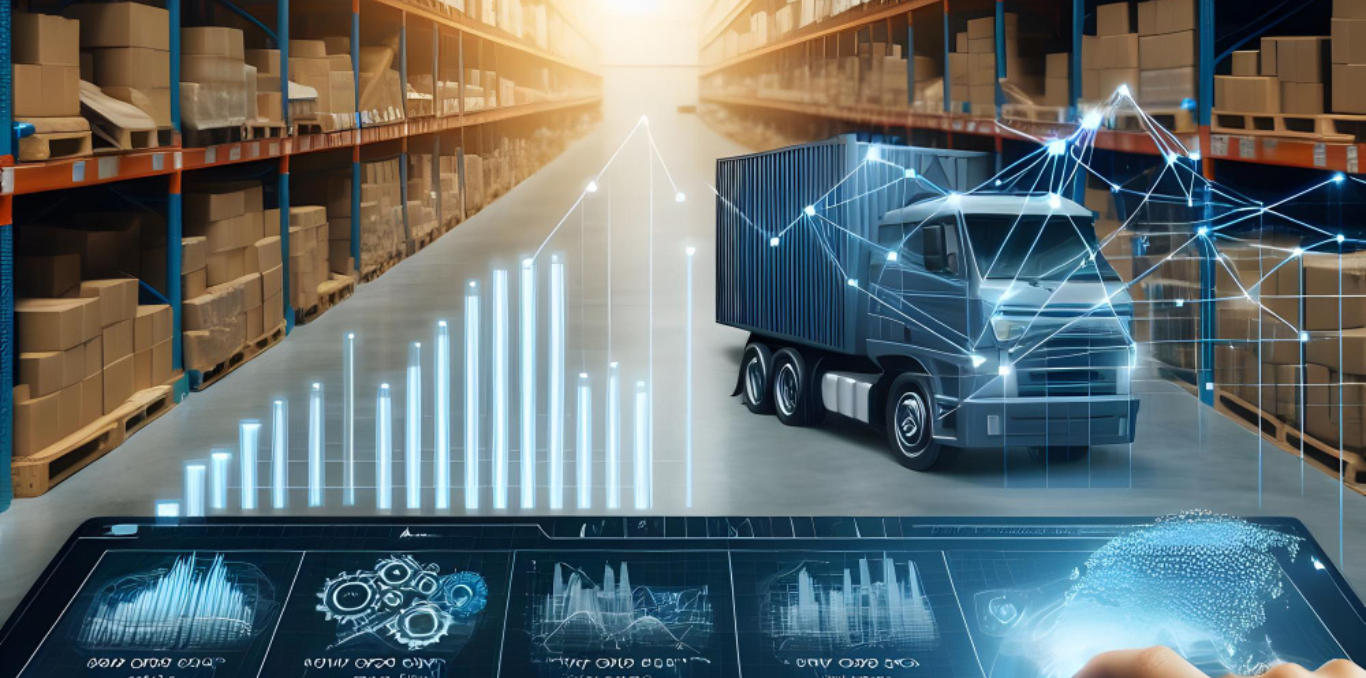
The warehouse services industry is undergoing a massive amount of technology-based transformation. With an increase in demand for E-commerce and complexity in global supply chain systems, companies can leverage the use of Artificial Intelligence (AI), Analytics, etc., to achieve operational success through the application of AI and Advanced Analytics technologies.
From Manual to Smart Warehousing
Manual processes, paper based tracking, and experience driven decisions have historically been the backbone of traditional warehousing. Although manual processes were sufficient for small or simple warehouse operations, they were typically inefficient, error prone, and provided limited opportunity to optimize. Artificial intelligence (AI) and data analytics are changing the way warehouses can perform routine, dynamic resource allocation and provide real time information about their inventory, orders, and employee productivity.
AI in Modern Warehousing
AI is being used across multiple areas of warehousing. Inventory management, order fulfillment and demand forecasting are examples of this use. The use of AGV’s for picking and/or moving product as well as robotically enabled picking systems and intelligent conveyor belt systems all powered by AI are becoming commonplace at many advanced warehousing facilities.
For example, Selery Fulfillment uses AI-based systems that provide automated guidance during the picking and packaging process. These systems utilize historical order data, current inventory levels and other factors to create priorities for their workflow.
Predicting Demand & Inventory
Predictive analytics helps warehouses make decisions by using machine learning and artificial intelligence to look at sales information, return information, and market trends. Warehouses can use analytics to guess which products to buy and how many to keep in the warehouse. Predictive analytics is good at helping warehouses make these guesses about products and inventory.
Warehousing providers like Selery Fulfillment apply predictive analytics within their storage and distribution environments to anticipate fluctuations in demand, such as seasonal peaks or promotional events. These insights enable precise inventory planning, ensuring that products are available when customers need them most, without tying up excessive capital in unsold stock.
Real-Time Data & Decisions
One of the major advantages that analytics and artificial intelligence provide to warehousing is real-time visibility throughout all aspects of operations. Continuously monitoring equipment status, workforce activity and inventory movement by use of a warehouse management system (WMS) powered by machine learning algorithms provides supervisors and decision-makers with an overall view of their operations.
Real-time dashboards provide insight into order processing times, storage utilization, shipment accuracy, etc., which are used for data driven decision making whether it be to move staff from one location to another, adjust workflows or enhance efficiency of storage space.
Optimizing Labor and Workflow Efficiency
One of the greatest expenses within warehouse logistics is still labor. Because labor is so expensive, it is critical that all warehouses operate efficiently. Advanced labor scheduling systems utilizing artificial intelligence (AI) are being used by companies such as Selery Fulfillment to manage their workforce. These systems review data about an organization’s current workload, the skills available from employees, and the shifts that employees have been assigned. With this information, these systems are able to assign the most appropriate tasks to employees at the best time. Using realtime demand to allocate labor helps companies lower costs and increase staff productivity.
Enhancing Accuracy and Reducing Errors
Maintaining order accuracy will directly impact your ability to satisfy customers and drive profitability in terms of operations. Quality control systems utilize computer vision with AI to scan the package, verify the barcode, and check that all labels are on the package prior to shipping.
Selery Fulfillment along with other modern warehousing providers implement multiple layers of quality controls throughout their warehouse environment to minimize error rates while maintaining consistency in fulfillment standards.
Sustainable Warehouse Operations
Sustainability is increasingly becoming an issue for Logistics and Warehousing as Organizations attempt to limit Waste and Energy Consumption. The use of Artificial Intelligence (AI) and Analytics will be critical in helping these organizations achieve their sustainability objectives by utilizing resources more efficiently and optimizing Storage Strategies.
A good example of this would be Selery Fulfillment’s warehouse providers which utilize advanced methods to optimize the layout of its warehouses and flow of operations; thus limiting unnecessary travel/transportation, reducing total energy usage and improving the overall efficiency of their Distribution Centers.
Future of Smart Warehousing
The future of warehousing will most likely come from completely automated warehouses; an autonomous warehouse would have a system (AI) that runs all the processes for receiving goods, storing them, processing orders and shipping out products without human interaction.
Article received via email