Imagine sitting in your morning production meeting, coffee in hand. Everything looks perfectly optimized on your digital dashboard, but down on the factory floor, a critical assembly line just ground to a halt. The culprit? You are mysteriously short exactly 15 tiny, specialized fasteners.
“We counted that batch twice before staging!” your inventory manager insists, visibly frustrated. But the harsh reality is that a simple human error just hijacked your schedule and cost you thousands of dollars in unplanned downtime.
This isn’t an isolated incident or a minor logistical hiccup. In today’s hyper-scaled manufacturing landscape, a tiny miscount doesn’t just stay in the warehouse. It rapidly snowballs into massive financial leaks, ruined production timelines, and ultimately, damaged customer trust.
When profit margins are razor-thin, you can no longer afford to treat inventory counting as a basic administrative chore. Let’s break down exactly how these hidden inaccuracies are quietly draining your bottom line—and why upgrading to true precision counting is the only way to scale your operations safely.
The Compound Effect: How a 1% Error Bleeds Your Bottom Line
It’s tempting to look at a 99% inventory accuracy rate and pat yourself on the back. In school, that’s an A+, but in modern manufacturing, that missing 1% is a financial sinkhole.
When you process hundreds of thousands of components monthly, small discrepancies compound rapidly. A consistent 1% miscount rate on a line producing 100,000 units means 1,000 items are essentially lost in the ether every single month.
These aren’t just harmless spreadsheet errors. Phantom inventory—where your system shows stock that doesn’t physically exist—triggers a devastating domino effect across your entire operation.
Let’s say you manufacture medical devices, and your ERP system says you have 5,000 critical sensors ready to go. Production planning schedules the shift, workers clock in, and assembly begins.
Suddenly, you hit a wall because the physical bin only contained 4,800 sensors. Now, you face a triple threat of hidden costs:
- Idle Labor: You are paying skilled operators to stand around while supervisors scramble to find missing parts.
- Expedited Shipping: You are forced to pay exorbitant overnight freight fees to source replacement components and save the deadline.
- Fractured Trust: When an order is short or delayed, the end customer doesn’t care about your inventory glitch. They just start looking for a more reliable supplier.
The true cost of a miscount is never just the price of the missing part itself. It’s the expensive chain reaction of unplanned downtime, emergency logistics, and reputational damage that inevitably follows.
The Breaking Point: Why Human Eyes Fail at Scale
When a manufacturing business is small, manual counting feels like a badge of honor. You weigh, you tally, and you physically verify every batch before it leaves the loading dock.
But as your order volume scales, this manual reliance quickly morphs into your biggest operational bottleneck. Human brains simply aren’t wired for repetitive, high-speed visual counting of identical objects.
Even the most meticulous warehouse workers experience “counting fatigue” after just a few hours on the floor. When an operator tries to manually verify thousands of identical microchips, tiny metal washers, or plastic fasteners, their error rate inherently spikes.
You simply can’t out-train human biology. Throwing more warehouse staff at a complex inventory problem doesn’t increase accuracy; it just multiplies your potential points of failure.
High-Stakes Sectors: Where Inaccuracy Isn’t an Option
In some industries, a component miscount is a frustrating annoyance. In others, it’s a massive liability that can trigger regulatory audits or crippling recall campaigns.
Let’s look at the electronics industry. If a PCB (Printed Circuit Board) manufacturer is shorted just a few specialty capacitors on a reel, their highly calibrated, automated pick-and-place machines will halt entirely.
In pharmaceuticals, precision counting is heavily scrutinized and regulated. A discrepancy in pill counts doesn’t just mess up a monthly invoice; it breaks strict traceability protocols and risks massive compliance fines.
Even in agriculture, precision matters far more than you might think. Seed processing facilities now rely on exact kernel counts to guarantee crop yields, because selling by weight alone is inaccurate when moisture levels naturally fluctuate.
The common thread across all these sectors? Verifiable accountability. Modern B2B buyers don’t just want parts delivered on time; they demand data-backed proof that they received exactly what they paid for.
The Swiss Precision Standard: How Elmor Counters Solve the Sub-Millimeter Problem
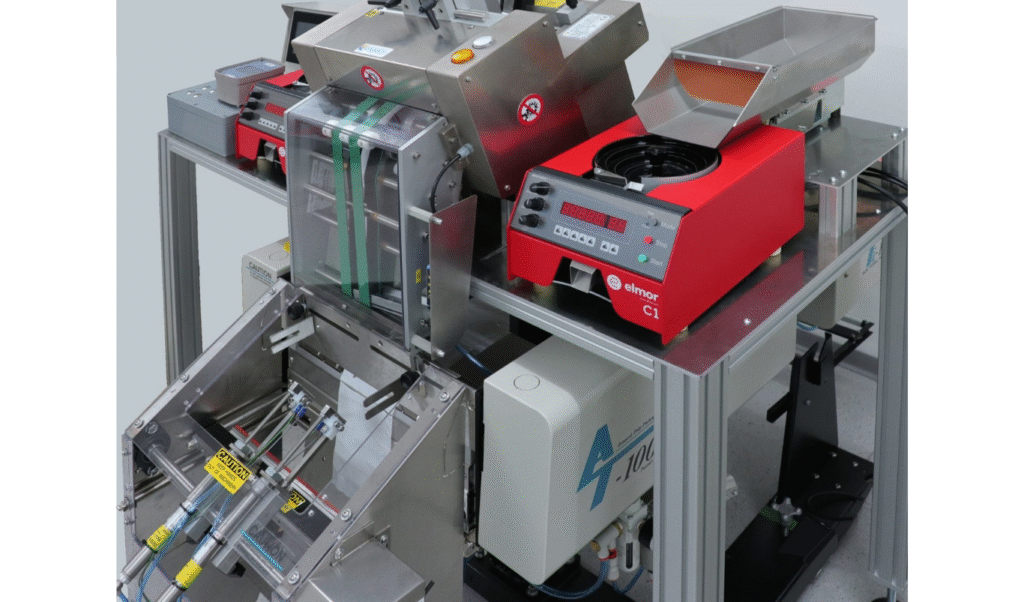
When dealing with irregularly shaped components in the millimeter or sub-millimeter range, traditional counting automation often falls completely short. This is exactly where specialized innovators like Elmor (elmor.com) step in to bridge the gap between microscopic inventory and verifiable accuracy. Based in Switzerland, Elmor originally engineered their highly sensitive electronic counting machines for the exacting seed industry, where single-grain accuracy directly dictates global crop yields.
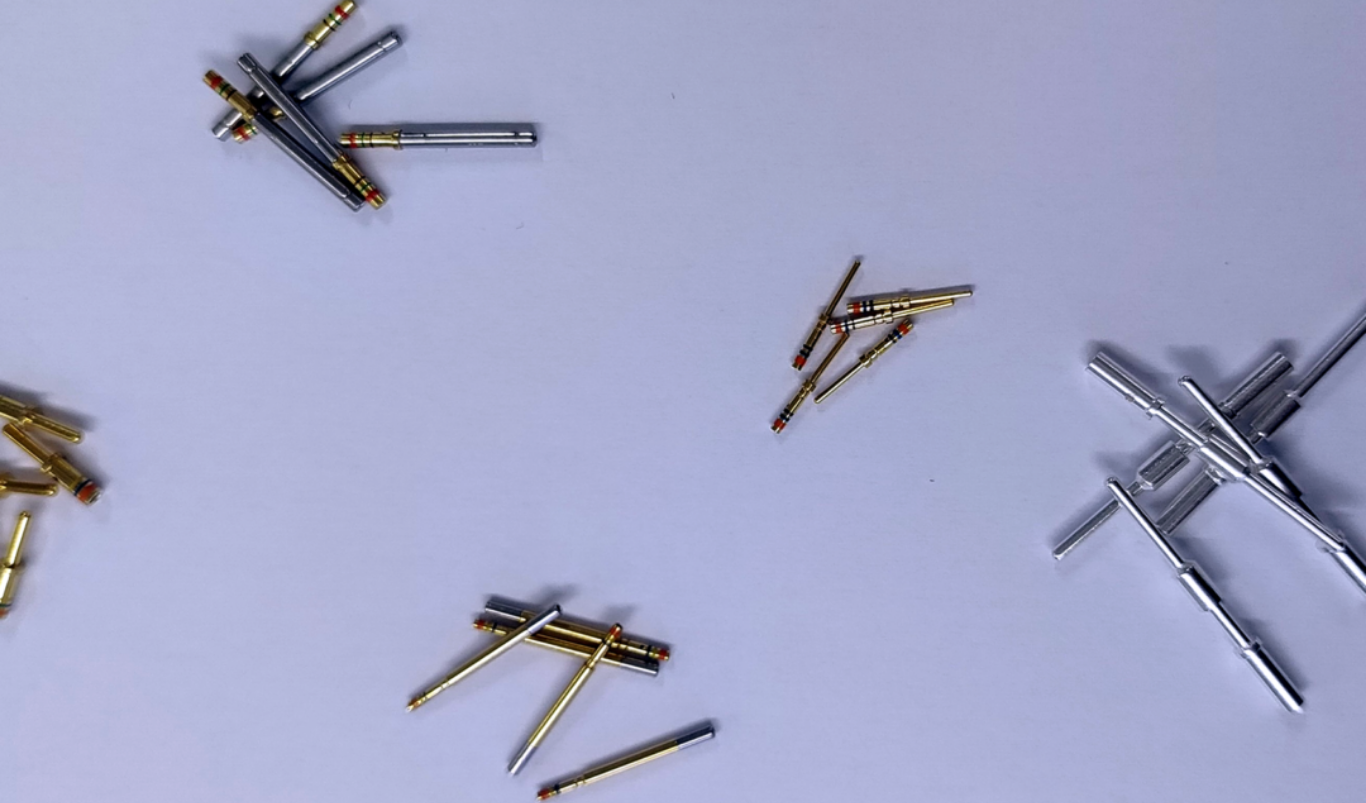
Today, that identical level of precision is becoming a required asset across diverse, high-stakes manufacturing sectors. Whether you are packaging delicate medical implants, micro-electronic SMD components, or critical pharmaceutical capsules, Elmor’s specialized counters effortlessly isolate and tally parts ranging from just 0.1 to 18 millimeters in diameter.

Let’s compare this technology to the outdated industry standard of counting by weight. If you weigh a massive batch of tiny plastic washers or metal screws, natural microscopic variations in material density or ambient moisture will inevitably throw off your final tally. Elmor’s flagship models, such as the PC-controlled C3 counter, bypass this environmental variance entirely by using physical singularization to achieve a staggering error rate of less than 1 in 10,000.
This level of hardware fundamentally changes how facilities handle their smallest, most frustrating inventory:
- Massive Throughput: A single Elmor device can precisely process up to 100,000 tiny components per hour using just one universally adjustable conveyor bowl.
- Traceable Accountability: The systems seamlessly log exact batch counts to a connected PC, ensuring strict traceability for heavily regulated pharmaceutical or aerospace components.
- Eliminating Overage: By guaranteeing piece-accurate dosing directly into automated packaging, manufacturers immediately stop the expensive habit of “over-packing” bags just to avoid customer shortage complaints.
When your critical components are smaller than a grain of rice, you simply cannot rely on industrial scales or human eyes. True precision counting requires specialized, micro-level hardware to keep those hidden costs from draining your profitability.
The True Cost of Your Counting Method: A Side-by-Side Breakdown
It is easy to stick with the warehouse systems you already have in place, assuming they are “good enough” for your current volume. But seeing the actual trade-offs side-by-side often reveals massive operational blind spots that are quietly eating into your margins.
Let’s break down exactly how traditional inventory counting stacks up against modern, micro-precision hardware.
| Counting Method | Typical Accuracy | Best Suited For | The Hidden Operational Cost |
| Manual Human Counting | 85% – 92% | Small, low-volume, low-risk batches. | Severe counting fatigue, high labor costs, and inevitable phantom inventory. |
| Industrial Weight Scales | 95% – 98% | Heavy, uniform, macro-level hardware. | Fails entirely with micro-items; highly vulnerable to humidity and density shifts. |
| Precision Hardware (e.g., Elmor) | 99.99%+ | Micro-components, medical, agriculture. | Higher upfront investment, but instantly eliminates short shipments and compliance fines. |
Looking directly at the data, relying on manual labor or basic industrial scales for high-stakes, sub-millimeter components is an unnecessary gamble. You are essentially crossing your fingers and hoping natural variations or human fatigue don’t derail your production line.
Upgrading to optical precision completely removes this guesswork. It transforms your inventory management from a stressful, unpredictable liability into a highly measurable, data-backed operational asset.
The Future of Inventory: Moving Beyond the Guesswork
The era of “close enough” inventory management is completely over. As global supply chains grow increasingly complex, the manufacturers who dominate tomorrow’s market will be the ones actively eliminating uncertainty from their factory floors today.
Implementing automated precision counting isn’t just about catching minor discrepancies on the loading dock. It’s about feeding an unshakeable foundation of verifiable data directly into your ERP system, granting you absolute, real-time control over your production capacity.
Stop letting microscopic manual errors quietly drain your hard-earned profits and sabotage your massive production schedules. You have the immediate opportunity to transform your inventory from an unpredictable liability into a fiercely competitive asset.
The financial bleeding compounds with every single unverified batch that leaves your facility. Audit your current counting processes right now, pinpoint your most expensive bottlenecks, and integrate automated precision counting technology before your next critical order ships short.
Frequently Asked Questions (FAQ)
What is phantom inventory in manufacturing?
Phantom inventory occurs when your digital tracking system (like an ERP) shows components as available, but they are physically missing from the warehouse floor. This costly discrepancy usually stems from manual counting errors, undocumented scrap, or misplaced batches. It is the leading cause of unexpected production halts and delayed customer shipments.
How much do inventory miscounts actually cost a business?
The true financial impact extends far beyond the raw price of the missing component itself. A single miscount frequently costs thousands of dollars in idle labor, emergency overnight freight fees, and lost customer trust. Over a single fiscal year, even a seemingly harmless 1% error rate can quietly drain hundreds of thousands of dollars from your bottom line.
Why are automated counting systems better than manual warehouse counting?
Automated systems completely eliminate the biological limit of “counting fatigue” that inevitably causes human errors at high volumes. They deliver near-100% accuracy, process complex batches exponentially faster than manual labor, and instantly push verifiable data directly into your inventory software.
Can’t we just use weight scales to count small manufacturing parts?
Using scales relies on calculating averages, making this method highly vulnerable to natural variations in part density, material tolerances, or even ambient humidity. True precision counting utilizes optical or AI-driven technology to visually verify and tally individual units. This guarantees exact batch totals regardless of microscopic weight fluctuations.
Article received via email