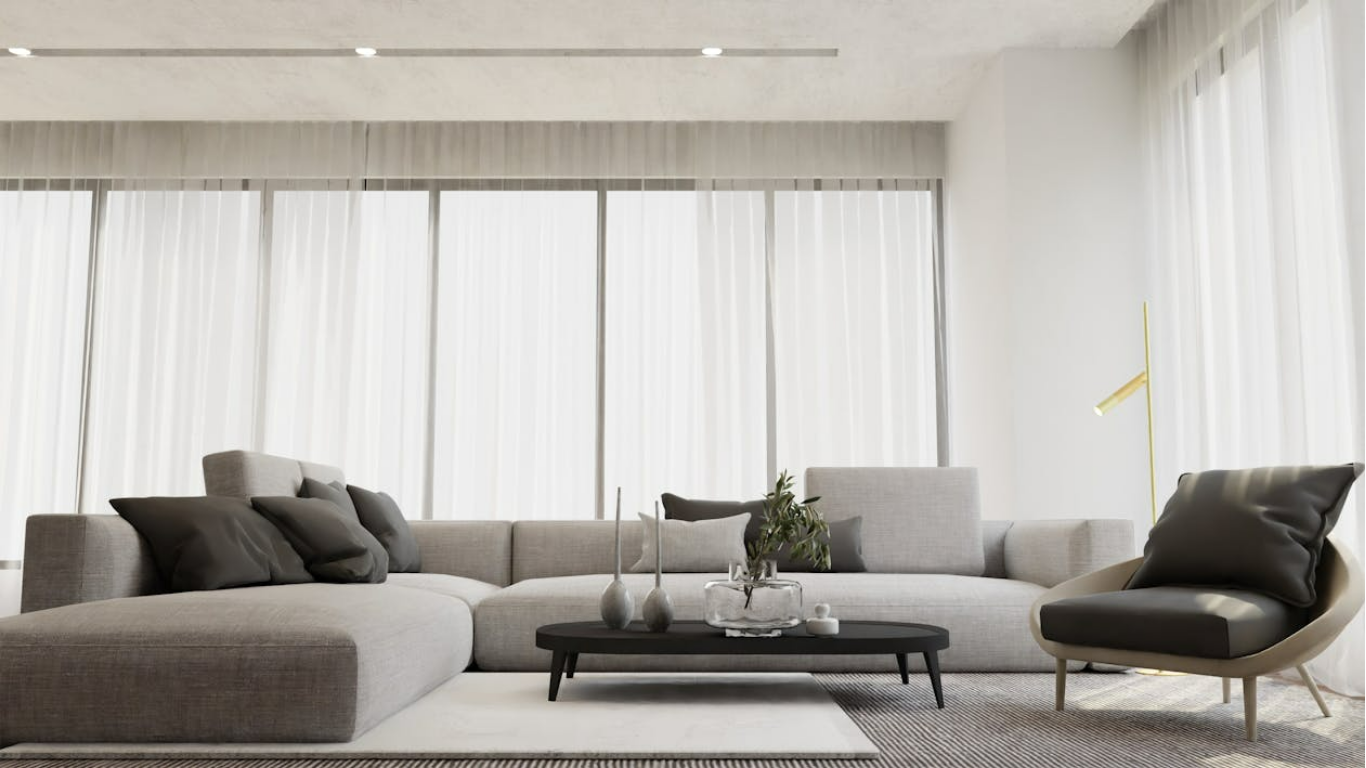
Minimalism isn’t about empty rooms; it’s about keeping what matters and hiding the rest. Even a pared-down home has seasonal gear, papers, and keepsakes. The trick is storing them neatly so the place feels calm, and the clutter just disappears.
The Hidden Inventory: Categorize Before You Conceal
Before any item goes into a closet or bin, it must earn its keep. The biggest mistake in minimalist storage is hiding things that should have been donated or trashed. Start by pulling everything you plan to store, not display, into one open space. Then sort ruthlessly.
- Keep only what has a clear use or genuine emotional pull. Ask: “Would I buy this again today?”
- Separate seasonal or event-specific gear (holiday decorations, camping equipment, formal wear).
- Designate a small “memory box” for truly sentimental items: letters, baby shoes, old tickets. Limit it to one container per person.
- Everything else goes out: donate, recycle, or trash. Hiding junk doesn’t make your home minimalist; it makes it a landfill in disguise.
The Off-Site Solution for Overflow Seasons
Even after editing, some belongings won’t fit comfortably inside a small home. That’s where renting external space becomes a practical, minimalist-approved tool. For items used only a few times a year, like winter tires, heirloom furniture awaiting a future child, a collection of art that rotates seasonally, a secure covered self storage facility offers breathing room. The key is discipline: never use it as a dumping ground for things you really ought to purge. Visit the unit twice a year to reassess. If something hasn’t been touched in twelve months, it doesn’t belong there either. External storage works best for bulky, infrequent-use items that genuinely support your life without cluttering your daily view.
Behind Closed Doors: Cabinets, Closets, and Clever Systems
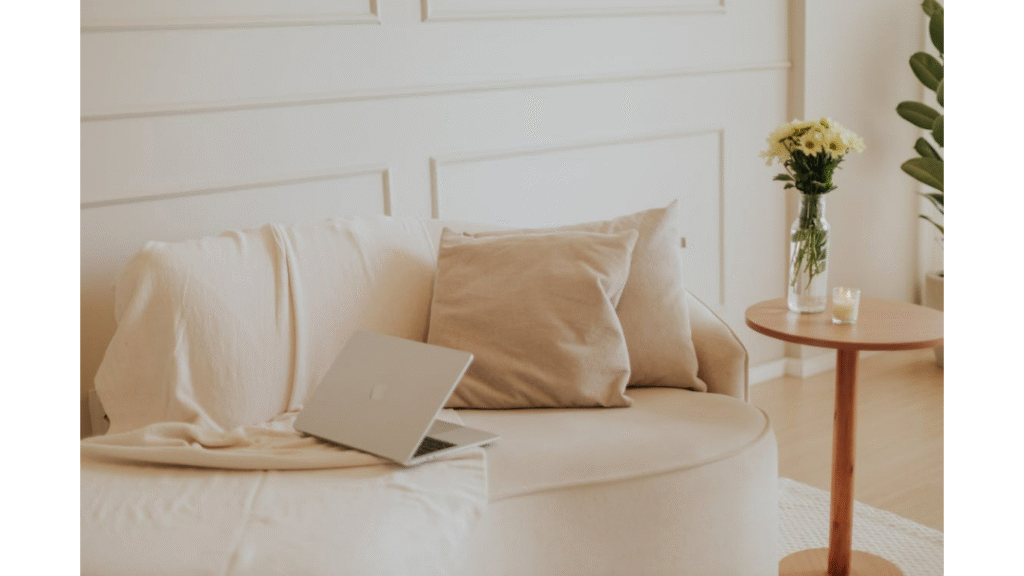
Once inside the home, make functional storage feel invisible. Every drawer and closet should have a system, not just a jumble. Maximize vertical space.
- Use uniform containers inside closets: clear bins for visibility, labeled boxes for darker shelves. Mismatched shoeboxes create mental noise.
- Install adjustable shelving to eliminate wasted height. A stack of folded sweaters should reach the shelf above it, no dead air.
- Hang what folds poorly (jackets, dresses), but fold everything else KonMari-style so contents stand upright, not buried.
- Apply the “one in, one out” rule for storage containers. If you buy a new bin, an old one must leave. Otherwise, capacity expands to fill the space: the physicist’s law of storage entropy.
- Don’t forget under-bed space: flat, rolling bins for off-season shoes or extra bedding. Just avoid stacking so high that the bed looks like a hovercraft.
Multi-Purpose Furniture That Works While It Hides
The minimalist’s secret weapon is furniture that stores without looking like storage. A trunk that serves as a coffee table, an ottoman with a lift-top, a bed frame with built-in drawers: these pieces earn their square footage twice over. The trick is choosing the pieces that match your actual needs, not aspirational Pinterest boards.
- Ottomans and benches with internal compartments hold throws, board games, or media accessories.
- A storage headboard replaces nightstands and hides books, eye masks, and chargers.
- Floating cabinets near the ceiling keep rarely used items (vases, power tools) out of eye line while utilizing wasted wall space.
- Avoid “storage furniture” that screams storage: visible plastic bins or wicker cubes with labels. Once an object announces, “there are things inside me,” the eye grows tired.
The Rule of Visible Surfaces: Empty as a Habit
Storage is only half the equation. The other half is keeping what’s hidden from creeping back into sight. Every flat surface, counters, tabletops, and the top of the dresser, should stay at least 80% clear. That means creating a daily or weekly reset ritual.
- Use a single tray for items that must remain out (keys, wallet, a single candle). The tray contains the visual clutter in one small zone.
- Review all hidden storage every season: outgrown clothes, unused kitchen gadgets, expired medicine. If it’s hidden for more than a year without being touched, it no longer deserves a hiding place.
- Remember that minimalism is a practice, not a perfect state. Some weeks, stuff piles up. That’s fine. The system exists to reset, not to punish.
In the end, a minimalist home isn’t about deprivation. It’s about deciding what earns the right to be seen, and giving everything else a calm, organized place to wait. The hidden things support your life without stealing your attention. And that silence, that visual rest, is the entire point.
Article received via email