In a world where digital transformation dominates boardroom discussions, businesses are investing heavily in automation, analytics, artificial intelligence, and cloud infrastructure. Yet one critical layer of engagement remains surprisingly underdeveloped in many organizations: calendar infrastructure.
For global enterprises, financial institutions, technology firms, and fast-growing startups, events are no longer peripheral activities. They are central to revenue generation, stakeholder communication, investor relations, and brand positioning. Webinars, earnings calls, product launches, executive briefings, and hybrid conferences shape how companies connect with markets.
The question is no longer whether businesses host events. The real question is how reliably those events convert interest into attendance.
The gap between registration and commitment
Across industries, marketing and communications teams track registrations as a key performance metric. However, registration does not guarantee participation. A sign-up reflects curiosity, while a calendar confirmation reflects commitment.
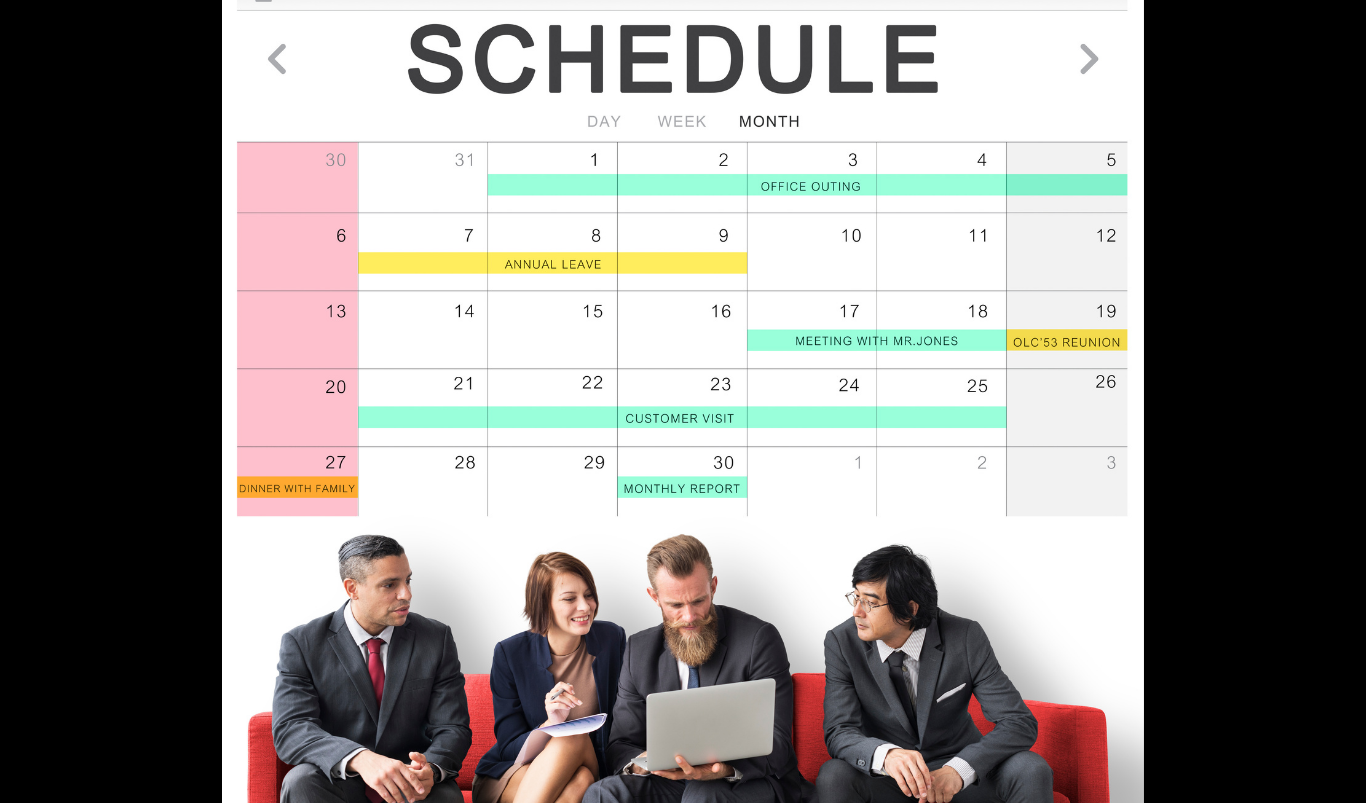
When event details remain buried in confirmation emails, attendance becomes dependent on memory and inbox visibility. In contrast, when events are seamlessly integrated into a participant’s Google Calendar, Outlook, or Apple Calendar, they become embedded in daily workflows. Native reminders and notifications significantly increase the likelihood of participation.
This distinction is subtle but commercially significant. For investor briefings, fintech product demonstrations, compliance updates, or cross-border corporate events, higher attendance translates directly into stronger engagement and improved business outcomes.
Calendar technology as part of digital infrastructure
Leading organizations increasingly treat every touchpoint as part of a broader digital ecosystem. Customer relationship management systems integrate with marketing automation tools. Payment systems connect with enterprise resource planning platforms. Data flows across dashboards to enable real-time decision-making.
Calendar infrastructure deserves similar consideration.
Traditional event workflows often involve fragmented tools. One platform handles registration. Another distributes reminder emails. Separate calendar files are manually generated for different calendar providers. This multi-step process introduces unnecessary friction.
Universal calendar link technology offers a more streamlined approach. Rather than asking users to choose between multiple calendar formats or download static files, a single intelligent link detects the user’s calendar environment and adds the event automatically.
CalendarLink exemplifies this infrastructure-driven model. Instead of functioning as a full event hosting platform, it operates as a connective layer between existing event systems and global calendar ecosystems. By generating universal add-to-calendar links and subscription calendar feeds, it simplifies cross-platform compatibility while maintaining scalability.
For multinational corporations and financial institutions operating across regions and time zones, such interoperability reduces technical barriers and enhances user experience consistency.
Data-driven engagement beyond email metrics
Business leaders increasingly rely on measurable performance indicators to guide strategy. Email open rates and click-through statistics provide surface-level insights, but they do not fully capture user intent.
Calendar-based analytics provide a more predictive signal. When participants add an event to their calendar, it indicates stronger intent to attend. Tracking calendar saves, RSVP confirmations, and source attribution can offer deeper insight into campaign performance and regional engagement trends.
Solutions like CalendarLink enable organizations to measure these signals and integrate them into broader analytics frameworks. This supports improved forecasting for attendance, better resource allocation for live events, and more accurate evaluation of marketing return on investment.
In highly regulated sectors such as banking and insurance, where executive webinars and compliance briefings carry significant weight, such reliability becomes particularly valuable.
Subscription calendars and long-term stakeholder engagement
Beyond individual events, subscription calendars are emerging as an effective mechanism for sustained engagement. Instead of promoting isolated sessions, businesses can offer a live calendar feed that stakeholders subscribe to once. Future events are automatically synchronized.
For global enterprises hosting quarterly earnings calls, recurring industry roundtables, or ongoing educational programs, this model fosters continuity. It aligns with broader digital transformation goals by embedding communication into the everyday tools professionals already use.
Subscription calendars reduce the need for repetitive promotional messaging while maintaining visibility within stakeholders’ schedules. Over time, this persistent presence can strengthen brand authority and trust.
A strategic perspective for business leaders
As global competition intensifies and customer acquisition costs rise, organizations are seeking incremental gains that compound over time. Removing friction from high-intent interactions is one such opportunity.
Calendar infrastructure may appear operational in nature, yet its impact extends to marketing effectiveness, investor relations, community building, and corporate communications. By ensuring that events are easily added, reliably tracked, and seamlessly integrated across platforms, companies strengthen the connection between intent and action.
CalendarLink and similar universal calendar technologies reflect a broader evolution in digital strategy. Rather than replacing existing systems, they enhance interoperability and streamline engagement within complex technology stacks.
For business leaders focused on scalable growth and measurable impact, calendar integration is no longer a minor detail. It is part of the infrastructure that determines whether strategic conversations actually happen.
In an increasingly scheduled world, showing up is everything.
Article received via email